
Apple Watch Series 12 Repairability Score Remains Low

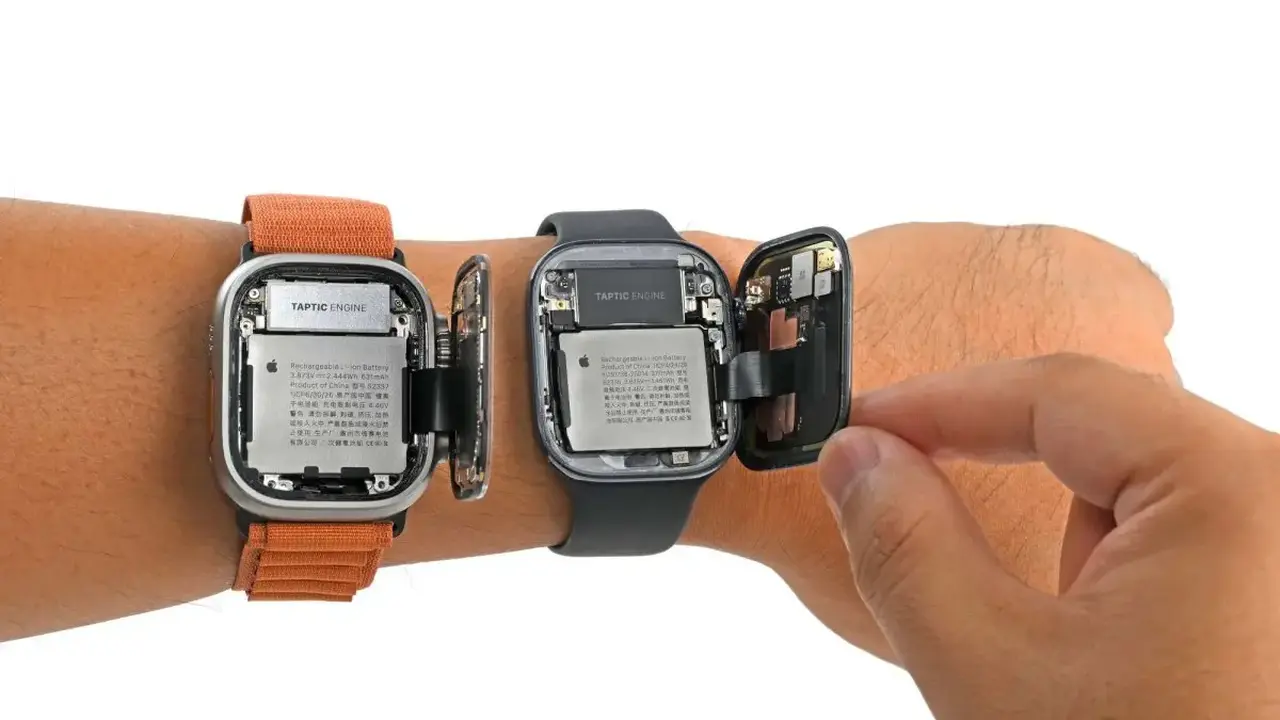
The newly released Apple Watch Series 12 and Apple Watch Ultra 4 have undergone a rigorous teardown by the experts at iFixit, revealing persistent challenges for independent repair. While the Apple Watch Series 12 shows minor improvements in internal accessibility, both models received a disappointing repairability score of only 4 out of 10. Despite subtle engineering tweaks designed to simplify component replacement, the devices remain difficult to service outside of authorized channels. This assessment highlights a growing gap between Apple’s design philosophy and the increasing consumer demand for accessible, sustainable device maintenance in an era where repairability is becoming a standard industry expectation.
- The Apple Watch Series 12 achieved a repairability score of 4 out of 10 following the latest teardown analysis.
- New adhesive pull-tabs simplify the battery removal process compared to previous generation models.
- Accessing the internal components still requires the removal of the fragile display assembly.
- Apple currently offers no DIY repair programs or official replacement parts for its smartwatch lineup.
Battery Accessibility Has Improved Slightly
The most notable engineering change in the Series 12 involves the battery mounting system. Previous iterations required technicians to pry the battery out using specialized leverage tools, a process that frequently risked internal damage. The new model utilizes pull-tab adhesive strips, allowing for a cleaner extraction. Furthermore, Apple has slightly increased the battery capacity from 1.403 Wh in the 46mm Series 11 to 1.461 Wh. 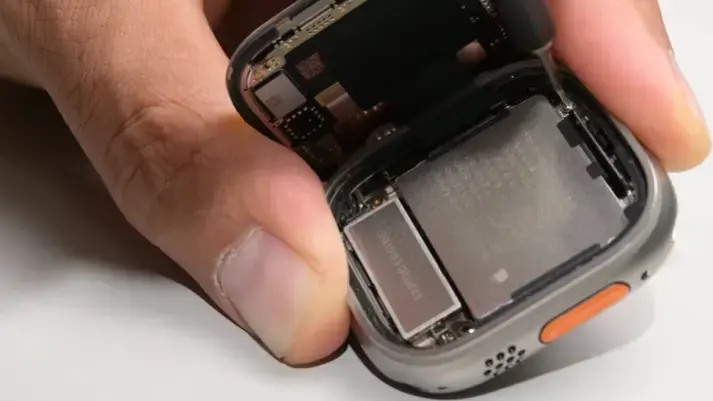
However, these improvements come with a trade-off. Apple has updated the display connection, replacing the older ZIF connector with a press-fit design located under a bracket. While this creates a more secure internal layout, it necessitates the removal of the battery even for simple screen repairs. This design choice effectively ties two major components together, complicating what should be straightforward maintenance tasks.
Display Removal Remains the Primary Obstacle
Despite the internal adjustments, the fundamental design bottleneck remains the display assembly. To access any internal hardware, including the battery, technicians must first detach the screen. The gap tolerances in the Series 12 are tighter than those found in the Ultra model, significantly increasing the risk of cracking the glass during the removal process. Furthermore, the delicate display ribbon cable remains highly susceptible to accidental tearing during service.
Apple Watch Ultra 4 Stagnates in Design
The Apple Watch Ultra 4 shows almost no progress regarding internal accessibility. Although the rear of the device features four pentalob screws, these only provide access to the sensor module, and their removal jeopardizes the watch’s water-resistant seal. To reach the battery, one must still heat the screen to soften the adhesive, a process identical to previous generations. The Ultra 4 also retains a 4/10 score, marking three consecutive years of stagnant repairability design.
Authorized Service Remains the Only Option
Currently, Apple does not include the Apple Watch in its “Self Service Repair” program, which provides parts and guides for iPhones and Macs. Consequently, users are forced to rely solely on Apple’s internal service network. In the United States, battery replacements for the GPS + Cellular model are estimated at $99, while general repairs can reach $599. This cost structure often exceeds the retail price of the watch itself, making repair a financially illogical choice for many owners.
As “Right to Repair” legislation gains momentum across several U.S. states, companies like Apple face mounting pressure to simplify device maintenance. Compared to competitors like the Google Pixel Watch 5, which earned a 9/10 score due to a user-friendly, screw-based design, Apple’s approach appears increasingly outdated. Unless the company adopts more modular construction, the barrier to independent repair will likely remain high.
Do you believe that premium smartwatches should be designed for easier user repair, or does the compact, waterproof nature of these devices justify the difficulty? Share your thoughts on the future of repairability in the comments section below.
Your comment has been submitted,
it will be published after approval.