
Boost Your Smart TV Performance Using Claude AI Agents

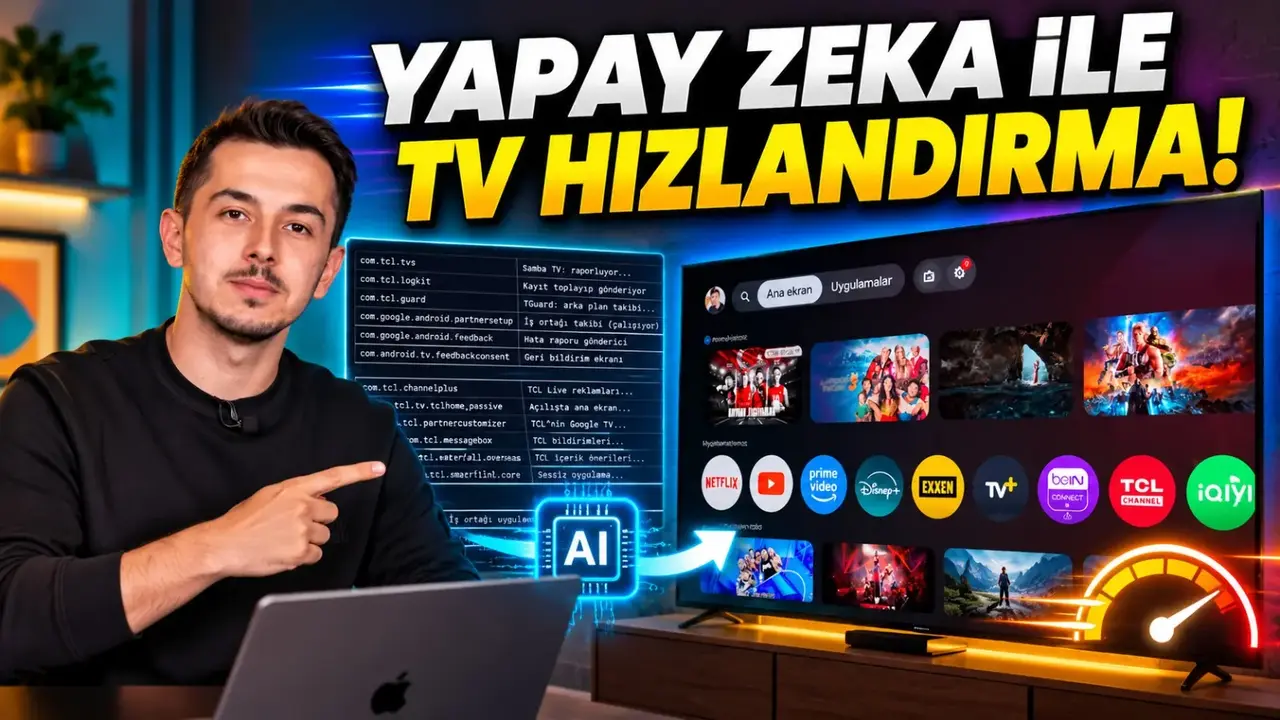
A new era of device management has arrived, as users are now leveraging Claude AI to perform advanced smart TV optimization through automated ADB (Android Debug Bridge) commands. By granting an AI agent authorized access to a television’s internal system, users can effectively strip away resource-heavy background processes, telemetry trackers, and pre-installed bloatware that often degrade performance. This innovative method requires the smart TV and a computer to reside on the same local network, with the user enabling developer options and wireless debugging to establish a secure connection. Once the IP address and pairing code are synchronized, Claude analyzes the system to identify and neutralize performance bottlenecks, providing a significantly smoother user experience for older and newer hardware alike.
- The AI agent identifies and disables non-essential system packages, including telemetry trackers and background advertising services.
- Users achieve approximately 100 MB of reclaimed RAM, resulting in faster application launch times and fluid interface navigation.
- The process includes an automated rollback command to ensure all original system settings can be restored instantly if necessary.
- Optimization offers the most significant performance improvements for older devices with limited hardware specifications.
The AI Optimization Process Enhances System Performance
Throughout the optimization process, the AI agent maintains a collaborative approach rather than acting autonomously. It flags specific background services that consume memory, such as store promotional modules and analytics trackers, and requests user approval before making permanent changes. While the agent suggests removing nine unnecessary packages, it leaves critical interface adjustments—such as switching to a third-party launcher like FLauncher—entirely to the user’s discretion. This balance ensures that the system remains functional while shedding unnecessary weight.
The measurable results of this process are substantial. Beyond the 100 MB of reclaimed memory, users report a noticeable increase in responsiveness. By disabling cumbersome opening animations for major streaming platforms like YouTube and Netflix, the system achieves a near-instantaneous transition to content. This transformation proves that even modern smart TVs can benefit from a cleaner, leaner software environment.
Safety Mechanisms Ensure Device Stability Remains Intact
Security remains a primary concern when granting external access to smart devices. To address this, the procedure includes a built-in safety net: Claude generates a comprehensive restoration script before any modifications take place. This ensures that if the optimization process causes unexpected behavior, the user can revert the device to its previous state with a single command. This precautionary measure mitigates the risks typically associated with modifying Android system packages.
For those interested in the specific technical implementation, a detailed TV acceleration prompt is available to guide the automation process.
Older Hardware Models Benefit From System Cleanup
While high-end televisions with powerful processors gain better interface fluidity, the most dramatic impact is felt on older hardware. Devices with limited RAM often struggle to maintain basic Google TV services, making them prone to lag and freezing. By offloading these taxing background processes to the AI agent, users can effectively breathe new life into aging equipment that would otherwise be considered obsolete.
We are curious to know if you would trust an AI agent to manage the internal settings of your home entertainment devices, or if you believe such deep-level access poses an unnecessary security risk. Please share your thoughts, questions, or personal experiences with smart TV optimization in the comments section below.
Your comment has been submitted,
it will be published after approval.