
Can One App Manage Your Entire Future Office?

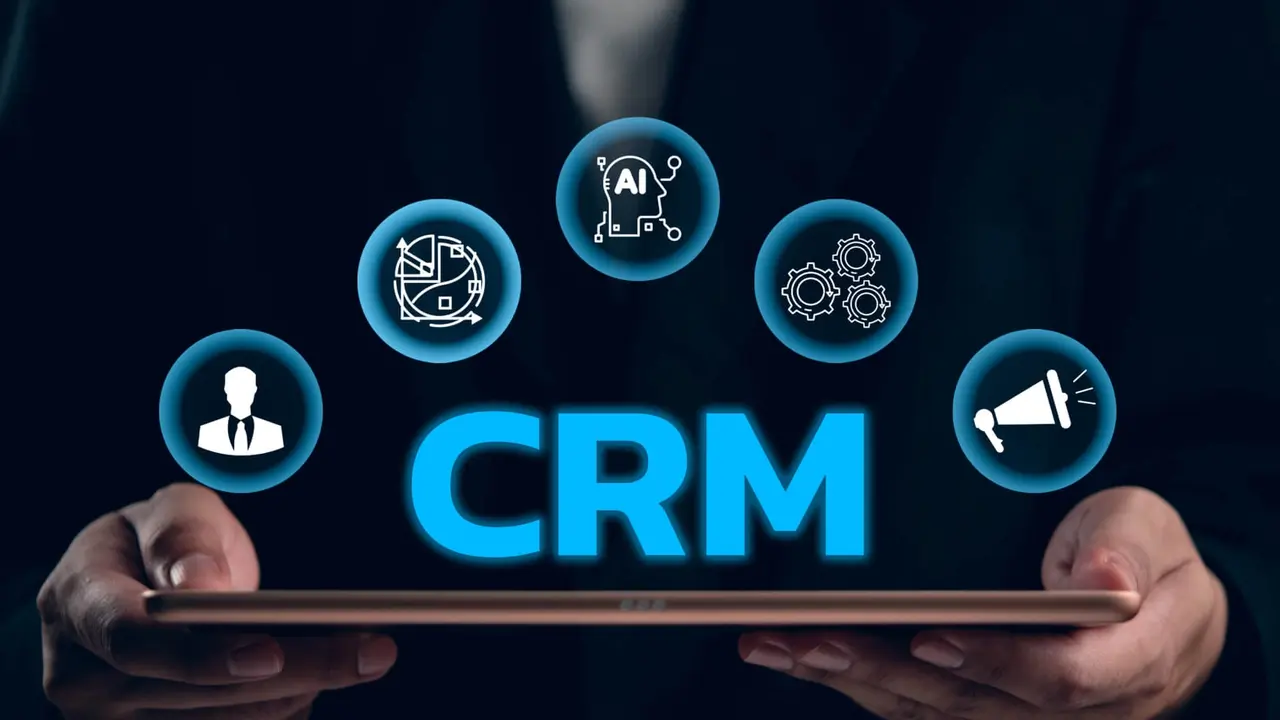
In the modern corporate landscape, the “future office” is struggling to overcome a severe case of digital fragmentation. Employees are frequently overwhelmed by a constant barrage of notifications from disparate tools, ranging from CRM systems and cloud storage to specialized communication channels. This reliance on a fragmented tech stack often leads to “app fatigue,” where the time spent switching between platforms diminishes productivity and disrupts deep work. Industry leaders are now questioning whether it is possible to consolidate all operational activities into a single, unified platform to streamline workflows and improve organizational decision-making processes.
- App fatigue significantly reduces employee focus and increases hidden operational costs through subscription fees and data silos.
- Consolidating business operations into a single ecosystem improves data flow and ensures that information remains accessible across departments.
- Centralized platforms like Bitrix24 eliminate the need for error-prone API integrations between separate software tools.
- A unified digital workspace preserves institutional knowledge even when staff turnover occurs within a company.
Fragmented digital structures are currently costing companies more in lost time than in actual software subscription fees.
Application Overload Increases Hidden Operational Costs
The primary challenge for businesses today is not the lack of technology, but the inefficiency created by having too much of it. Each application requires its own subscription, maintenance, and user training. When data is scattered across multiple locations, inconsistencies emerge, creating a disjointed view of company performance. Beyond the direct financial burden of software licenses, the real cost lies in the cognitive load placed on employees who must navigate between various interfaces to find a single piece of information. This constant context switching is a major obstacle to maintaining high levels of output and clarity in complex projects.
Unified Platforms Redefine the Digital Workspace
Forward-thinking organizations are shifting away from the “best-of-breed” approach in favor of a centralized “all-in-one” philosophy. By integrating CRM, HR management, project tracking, and internal communication within a single, cohesive environment, businesses ensure that data is not isolated. In such a system, an action taken in one module—such as closing a sale—can automatically trigger tasks in project management or notify the finance department. Platforms like Bitrix24 demonstrate how this interconnectedness creates a seamless experience, allowing teams to deepen their work within one ecosystem rather than wasting energy moving between different software environments.
Centralized data management turns information into a strategic asset rather than a scattered liability.
Centralized Systems Improve Corporate Efficiency
Transitioning to a single platform offers three critical advantages for modern businesses. First, the issue of broken integrations disappears. Since all features are built into the native architecture, the company no longer relies on fragile third-party API bridges that often require constant technical attention. Second, the organization secures its institutional memory. When all correspondence, client notes, and project documents reside within one system, the company retains the history of its work regardless of personnel changes. Third, management gains real-time visibility. Decision-makers can monitor the pulse of the company from a single dashboard, eliminating the need to wait for status reports via email from various departments.
Businesses Should Prioritize Smarter Operational Structures
The path to corporate agility lies in consolidation rather than expansion. Instead of purchasing yet another niche application, leaders should evaluate how their current workflows can be streamlined. Choosing a unified digital home allows teams to speak the same language and reduces the friction that typically slows down growth. The future of the office belongs to those who successfully move beyond the mess of fragmented apps and embrace a structure that transforms every piece of data into a measurable strategic advantage.
Have you experienced significant productivity gains or challenges by consolidating your company’s software tools into one platform, and what features do you consider essential for a unified workspace?
Your comment has been submitted,
it will be published after approval.