
Can You Safely Use a Laptop Charger for Phones?

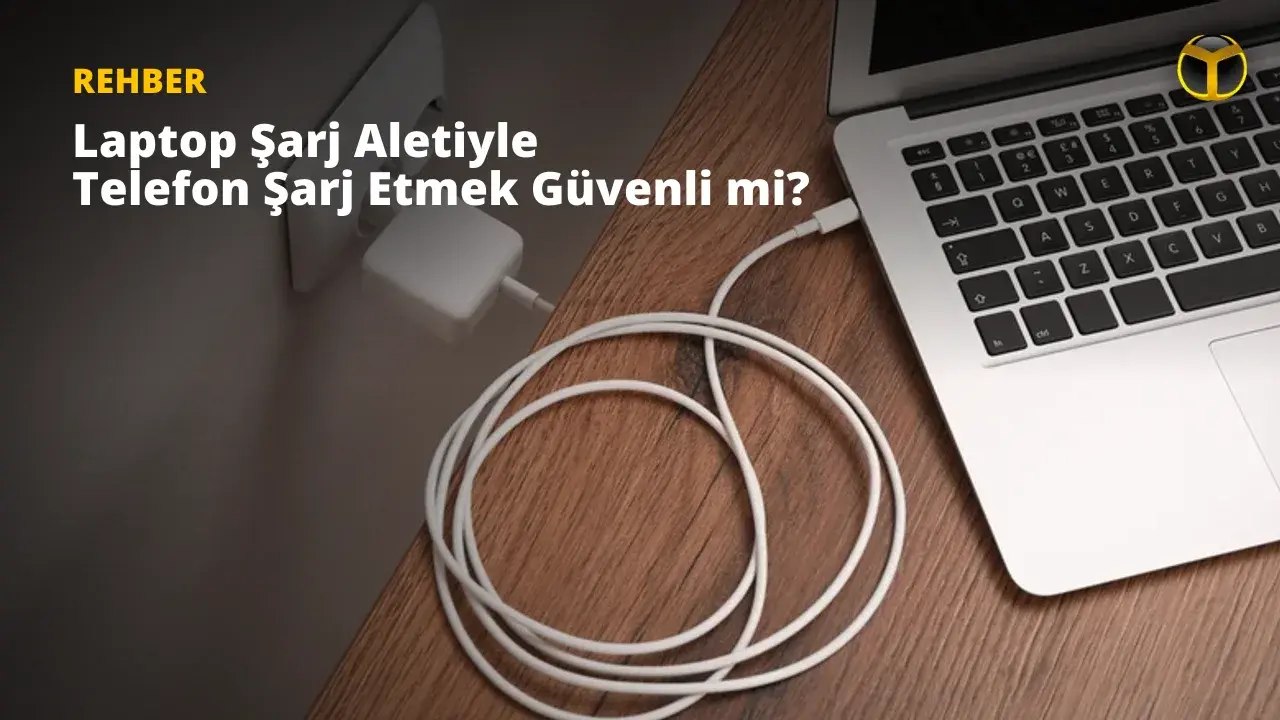
With the widespread adoption of the USB-C standard, many users frequently wonder if using a high-powered laptop charger for their smartphone poses any risk to their device. The good news is that modern consumer electronics are engineered to handle such cross-device compatibility without internal damage. Thanks to standardized power protocols, your smartphone and your laptop power adapter can communicate to determine the safest possible charging rate. Understanding how these power management systems function is essential for anyone looking to simplify their charging setup while maintaining the long-term health of their expensive mobile hardware.
- Modern USB Power Delivery technology allows devices to negotiate power levels safely.
- Smartphones will only draw the specific amount of wattage that their internal circuitry supports.
- Safety risks typically arise from using uncertified or counterfeit charging accessories rather than high-quality laptop adapters.
USB Power Delivery Technology Regulates Power Flow
At the heart of this compatibility is the USB Power Delivery (USB-PD) protocol. This sophisticated technology initiates a handshake process between the charger and the connected smartphone. During this exchange, the charger broadcasts its available power profiles, and the phone intelligently selects the highest voltage and current combination that it is designed to support. Because the receiving device dictates the power intake, there is no risk of the laptop charger ‘forcing’ too much electricity into the phone.
This smart communication layer ensures that even a 100W charger remains perfectly safe for a device that only requires 20W of power. The phone acts as the gatekeeper, effectively capping the energy flow to protect its battery and internal components from thermal stress or electrical overload.
High-wattage laptop chargers will not damage your smartphone because the device itself controls the power intake.
Compatibility Remains Standard Across Most Devices
Most major manufacturers, including Apple, Samsung, and Google, have integrated USB-PD support into their mobile hardware over the past decade. If a device does not recognize the specific high-speed protocol, it will default to a standard, lower-voltage charging mode. This safety buffer prevents electrical issues, ensuring that the charging process remains stable regardless of the adapter’s maximum capacity.
Risks Exist When Using Uncertified Accessories
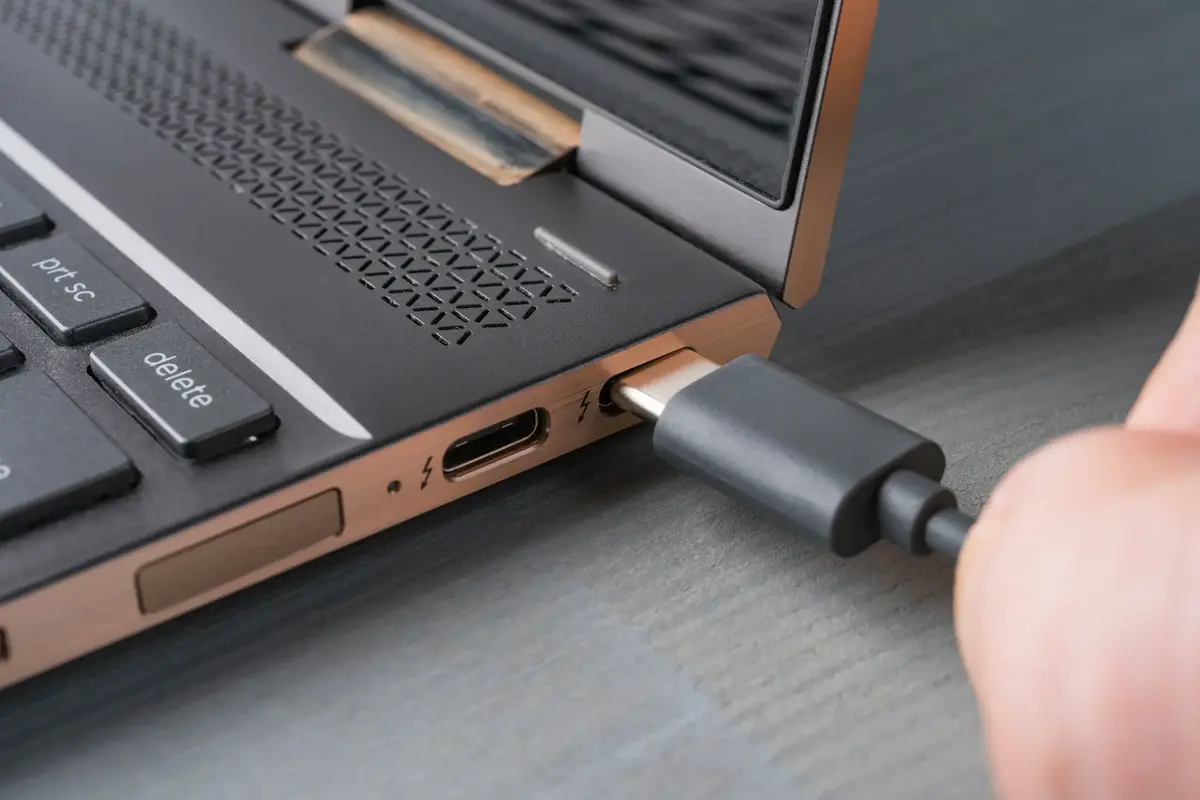
While laptop chargers from reputable brands are generally safe, the primary danger lies in the use of cheap, uncertified third-party cables or adapters. Poorly manufactured cables often lack the necessary internal resistors required by USB-C specifications. Furthermore, counterfeit chargers may bypass vital electrical isolation barriers, which can lead to hazardous voltage spikes that could permanently damage your smartphone’s delicate circuitry.
Always verify that your equipment bears recognized safety certifications such as UL, ETL, or CE marks. It is also worth noting that some proprietary fast-charging technologies require specific brand-name adapters to reach advertised speeds. In these instances, using the official manufacturer-provided charger is the most reliable method for optimal performance.
Using certified accessories is crucial for preventing dangerous electrical malfunctions.
Have you ever experienced issues while using a laptop charger for your mobile device, or do you prefer sticking strictly to the original wall adapter? We would love to hear about your personal experiences and charging habits in the comments section below.
Your comment has been submitted,
it will be published after approval.