
ChatGPT Launches New Virtual Try-On Feature for Fashion Shoppers

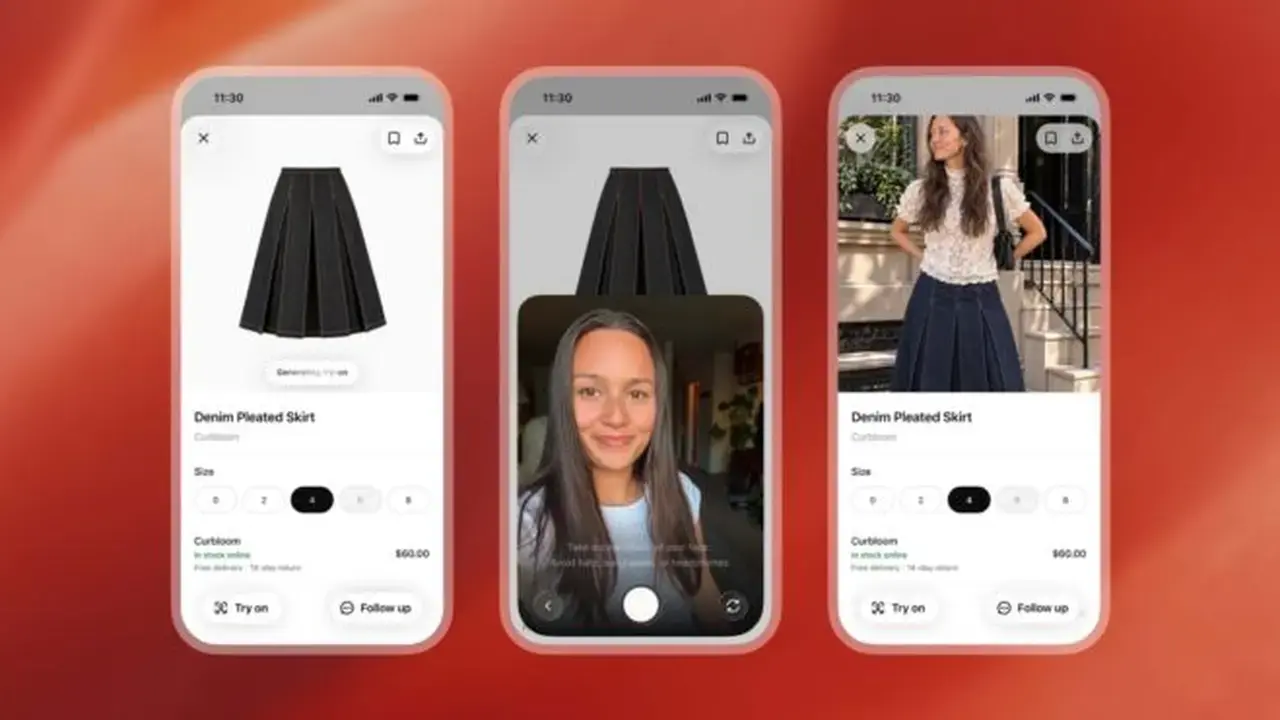
OpenAI has officially integrated a highly anticipated virtual try-on feature into its ChatGPT platform, marking a significant shift in how users interact with fashion retail. By leveraging the advanced capabilities of the ChatGPT Images 2.5 model, this new tool allows users to visualize clothing items on their own bodies using full-length photographs. Similar to technologies previously pioneered by Google, this feature processes uploaded images to analyze how specific garments drape and fit, providing a realistic preview for shoppers. Currently available to a select group of beta testers, the feature aims to bridge the gap between digital discovery and physical retail experience.
- ChatGPT has integrated a new virtual try-on technology powered by the advanced Images 2.5 model.
- The system analyzes full-body photographs to simulate how clothing items fit the user.
- This initiative aims to reduce online shopping return rates by providing realistic visual previews.
- The feature is currently being rolled out to a limited number of beta testers globally.
The Underlying Technology Enhances Visual Accuracy
The core of this innovation lies in sophisticated image processing algorithms that evaluate depth, lighting, and texture. When a user uploads a photo, the ChatGPT Images 2.5 model performs a complex analysis to map the selected garment onto the user’s silhouette. Unlike basic image overlays, this simulation accounts for the physical form of the wearer, ensuring that fabric textures and folds respond naturally to the body’s proportions. By providing this level of detail, the platform helps eliminate the uncertainty that often plagues e-commerce, such as concerns regarding sizing or stylistic compatibility.
Shopping Habits Are Being Transformed by AI Integration
This strategic move signals that OpenAI intends to transform ChatGPT from a text-based assistant into a comprehensive personal shopping advisor. Retail experts suggest that the ability to virtually try on clothes could drastically decrease the frequency of product returns, which remains a significant logistical and financial burden for fashion brands. As the AI analyzes more data points, its ability to render clothing will likely improve, resulting in even more lifelike outcomes that could eventually rival the experience of a physical dressing room.
The integration represents a broader industry trend where tech giants are prioritizing personalized, AI-driven retail experiences. By removing the need for physical store visits for routine style checks, the platform saves consumers time while encouraging more confident purchasing decisions. Early feedback from testers indicates that the lighting and shadow adjustments are particularly effective, making the rendered clothing appear as if it were truly part of the original photograph.
Global Availability Is Expected to Expand Soon
While the tool is currently in its nascent beta phase, there is a clear roadmap for wider deployment across global markets. As more users engage with the feature, the underlying neural networks will be refined through continuous learning, eventually leading to a more seamless and accurate user interface. The success of this rollout will likely influence how other AI platforms develop their own visual commerce tools, setting a new benchmark for interactivity in the digital fashion space.
Do you believe that AI-powered virtual dressing rooms will permanently replace the need for traditional in-store shopping? We invite you to share your thoughts on this technological shift and let us know if you have had the chance to test this feature yet.
Your comment has been submitted,
it will be published after approval.