
Cheapest Electric Cars in the 25 Percent SCT Bracket (August 2026)

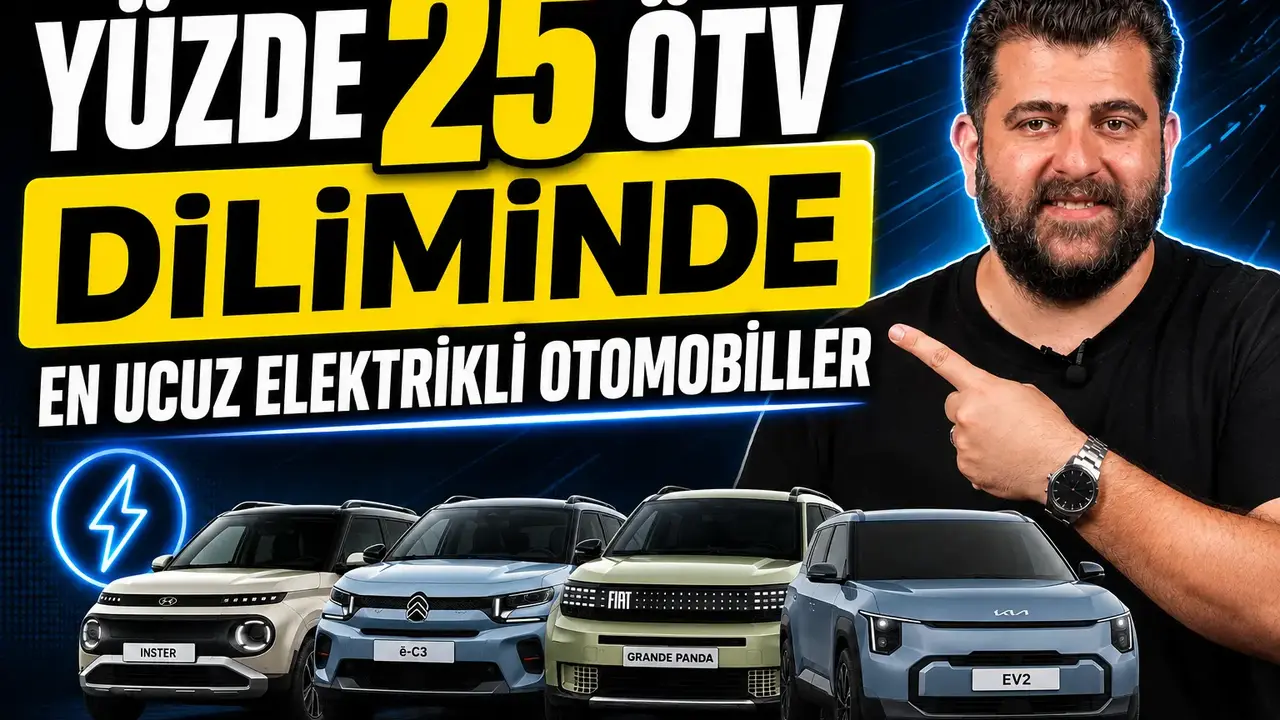
As of August 2026, Turkish automotive consumers are closely monitoring electric vehicles that qualify for the 25 percent Special Consumption Tax (SCT) bracket. In the Turkish market, the SCT base limits significantly influence both manufacturer pricing strategies and consumer purchasing decisions. Vehicles with a motor power of 160 kW or less that remain under the established tax base threshold enjoy a substantial price advantage, as exceeding this limit triggers a jump to the 55 percent tax bracket. While currency fluctuations and inflationary pressures push many popular models toward this critical threshold, several brands maintain competitive pricing to keep their vehicles within this accessible tax segment.
- Vehicles with motor power up to 160 kW and a base price below 1.65 million TL qualify for the 25 percent SCT rate.
- Exceeding the 1.65 million TL base limit results in a significant increase to the 55 percent tax bracket.
- Manufacturers implement special campaign pricing to keep specific models within the lower tax tier.
Tax Brackets Determine Pricing Strategies
The current automotive tax structure in Turkey mandates that vehicles with a motor power of 160 kW and below are subject to a 25 percent tax rate if their base price is 1.650.000 TL or less. Once the price exceeds this figure, the tax burden jumps to 55 percent. For high-performance vehicles exceeding 160 kW, the tax rates are even more punitive, starting at 65 percent for base prices under 1.65 million TL and reaching 75 percent for those above that threshold. This structure forces manufacturers to carefully manage their list prices and promotional campaigns to remain attractive to the average buyer.
Affordable Electric Models Lead the Market
Our analysis of the August 2026 market shows that several compact models currently occupy the 25 percent SCT bracket. The Hyundai INSTER Dynamic leads the list with a promotional price of 1.409.000 TL, followed by the Citroën ë-C3 Plus at 1.470.000 TL and the Fiat Grande Panda Elektrik La Prima at 1.494.000 TL. These vehicles prioritize efficiency and urban usability, making them prime candidates for consumers seeking to avoid higher tax tiers.
Other notable models maintaining this tax advantage include the Kia EV2 Cool and the Opel Frontera Electric. While premium models such as the Tesla Model Y and various Togg configurations are positioned near the threshold, some manufacturers like Hyundai are employing aggressive campaigns to keep models like the IONIQ 5 and IONIQ 6 within the 25 percent bracket despite their higher base costs.
Market Volatility Affects Future Availability
The sustainability of these prices remains subject to external economic factors. Small shifts in exchange rates or inflation can instantly push a vehicle from the 25 percent category into the 55 percent category, causing a sharp rise in final consumer prices. As a result, brands are frequently updating their campaign strategies to ensure their portfolios remain competitive. Potential buyers are advised to verify the latest pricing and availability directly with authorized dealerships, as these figures are subject to change based on evolving market conditions.
Which of these electric models do you find the most appealing in terms of price-to-performance ratio, and are you planning to transition to electric vehicles this year? Share your thoughts and predictions in the comments section below.
Your comment has been submitted,
it will be published after approval.