
Microsoft Defines Project Helix as a Multi-Console Strategy

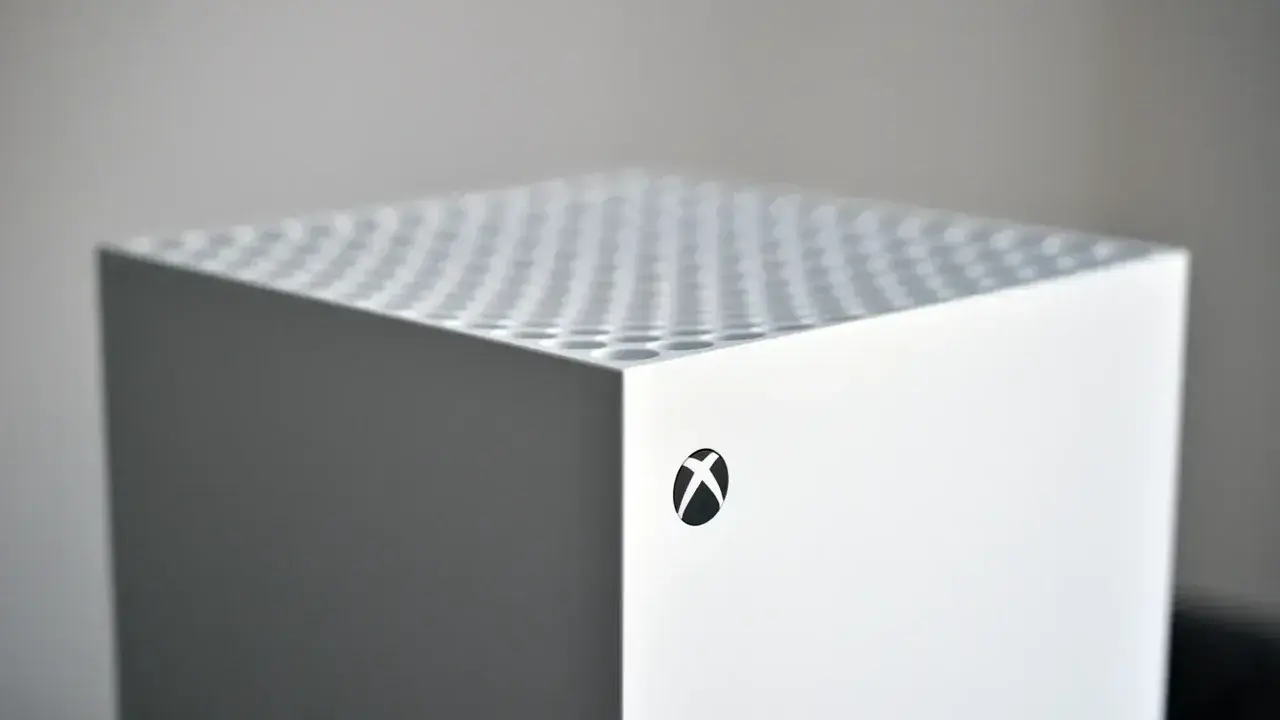
Microsoft has officially clarified the scope of its highly anticipated Project Helix, revealing that the initiative represents a broad family of hardware devices rather than a single console. In a recent interview, Xbox CEO Asha Sharma emphasized that the company’s future vision is not tethered to one specific machine, but rather a diverse ecosystem designed to accommodate various player needs. As the industry speculates on the next generation of gaming, this strategy positions Project Helix at the core of Microsoft’s long-term hardware roadmap, marking a significant departure from traditional, singular console releases that have dominated the market for decades.
- Microsoft is transitioning from a single-console strategy toward a diversified hardware family model.
- Industry reports suggest the development of a portable handheld device is underway.
- Future Xbox hardware is expected to integrate heavily with cloud-based services by 2028.
Project Helix Represents a Diverse Hardware Ecosystem
The announcement regarding Project Helix signals a major pivot in how Microsoft intends to approach the gaming hardware market. By moving away from the conventional “one-size-fits-all” console model, the company aims to offer a wider range of performance tiers. This approach suggests that the upcoming generation will feature multiple devices, potentially surpassing the current diversity seen with the Series S and Series X. 
This strategic expansion is designed to meet the evolving demands of gamers who require different form factors for their entertainment. While specific hardware details remain under wraps, the industry anticipates that Microsoft will release more comprehensive information in the near future. The focus remains on creating a scalable ecosystem that allows users to access high-quality gaming experiences regardless of the specific device they choose to utilize.
Portable Gaming Hardware Remains a Strong Possibility
One of the most persistent rumors within the gaming sector involves Microsoft’s potential entry into the handheld console market. When analyzed alongside the confirmation that Project Helix is a family of devices, these rumors gain significant credibility. Experts suggest that a portable unit could be the missing piece in Microsoft’s strategy to compete with other industry leaders. 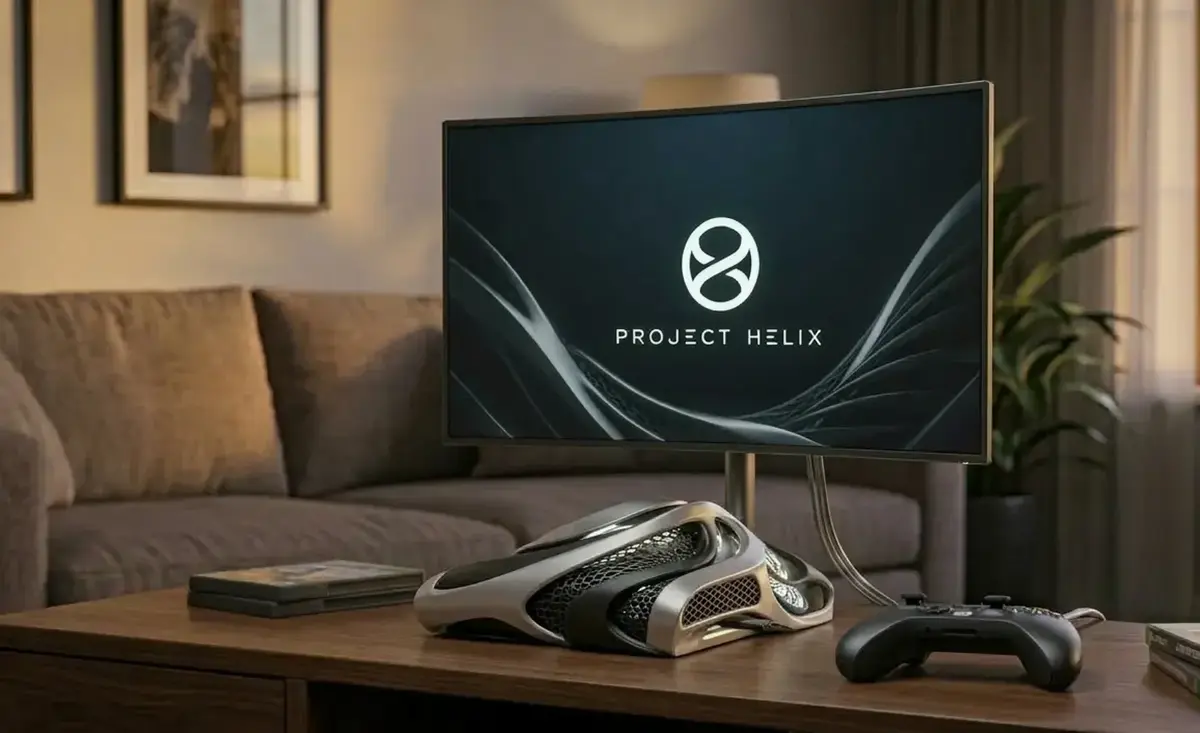
Competition in this space is heating up, as rumors also circulate regarding Sony’s plans to develop a native-running handheld console to complement the PlayStation 6. Both companies are currently maintaining silence on technical specifications, yet the general expectation is that the next major hardware cycle will commence around 2028. The race to define the future of mobile gaming has intensified as the boundaries between home and portable experiences continue to blur.
Cloud Integration Influences Future Hardware Decisions
Central to the success of Project Helix is the seamless integration of Microsoft’s robust cloud-based services with its physical hardware. The company is positioning its software ecosystem to act as a bridge between various devices, ensuring that performance is not solely dependent on local processing power. This hybrid approach is expected to provide users with unprecedented flexibility in how they interact with their game libraries.
As the technology sector monitors these developments, the consensus is that the gaming landscape is on the verge of a structural transformation. By leveraging both cloud innovation and tiered hardware, Microsoft aims to sustain its growth through the next decade. The implications for the broader market remain profound, as hardware manufacturers shift their focus toward long-term service connectivity over simple console sales.
We are eager to hear your thoughts on this new direction for the Xbox brand. Do you believe a portable handheld device is essential for Microsoft to remain competitive, or should they focus exclusively on high-performance home consoles? Share your predictions in the comments section below.
Your comment has been submitted,
it will be published after approval.