
Collins Aerospace Completes Altitude Testing for New F-35 Cooling System

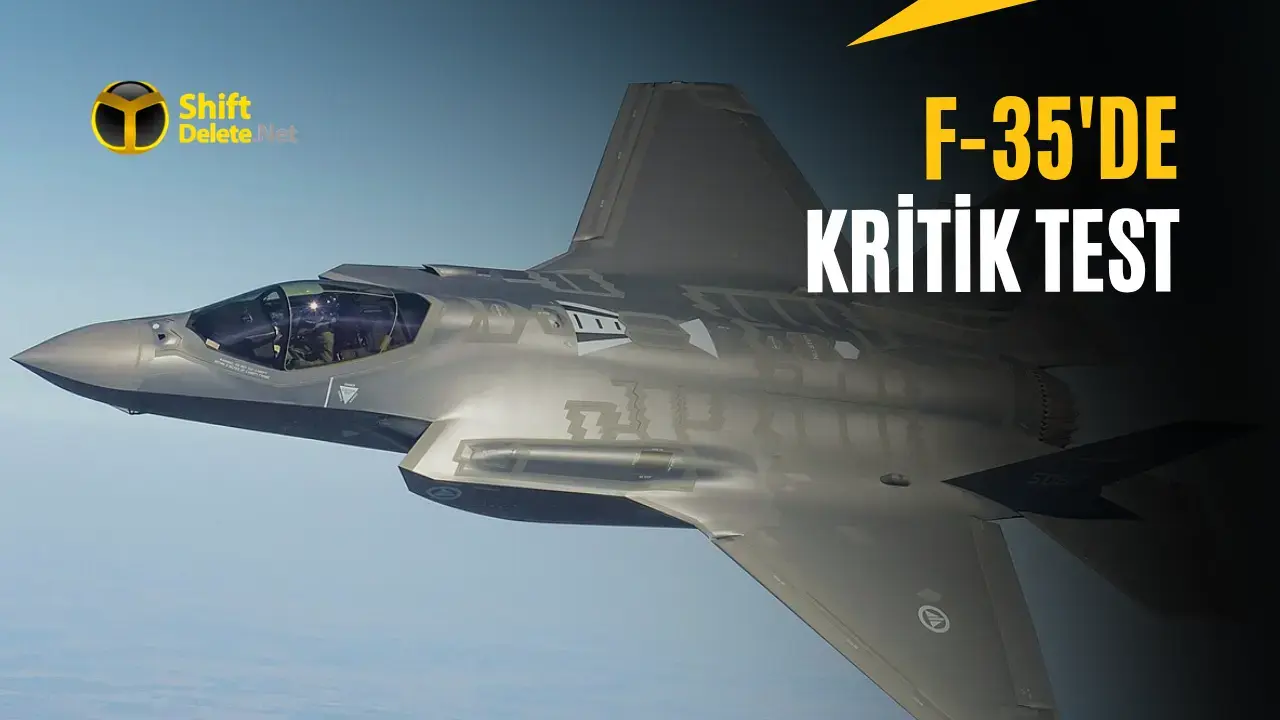
Collins Aerospace, a subsidiary of RTX, successfully completed a series of critical altitude tests for its Enhanced Power and Cooling System (EPACS) designed for the F-35 Lightning II aircraft. Conducted over several days, the testing program evaluated the system’s performance under simulated mission conditions, including varying power levels and high-altitude flight environments. This milestone marks a significant step forward in addressing the growing power and thermal management challenges facing the F-35 program as it prepares for future modernization efforts. By validating the system’s operational maturity, engineers are paving the way for potential integration into the global fleet.
- The EPACS provides double the cooling capacity of the current F-35 thermal management system.
- Altitude testing confirmed the system’s ability to maintain performance under diverse pressure and temperature conditions.
- The technology aims to support the advanced power requirements of the Block 4 modernization and future mission systems.
- The system is designed to provide critical emergency power during flight operations.
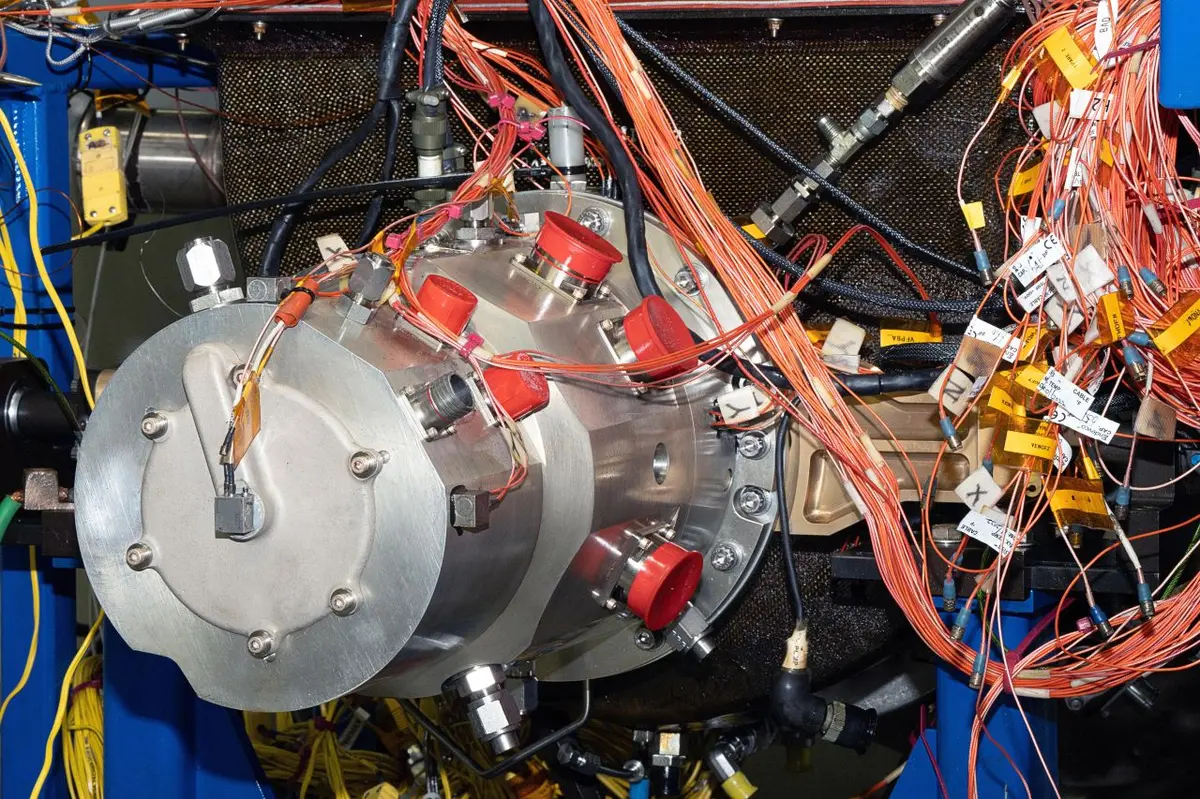
Advanced Systems Address Rising Thermal Demands
As the F-35 Lightning II program transitions into the Block 4 phase and beyond, the aircraft requires significantly higher processing power for its sensors and mission computers. This surge in technical capability generates substantial heat, which the existing onboard thermal management systems struggle to dissipate effectively. The implementation of a more robust cooling solution is vital for maintaining the operational integrity of the aircraft’s sophisticated avionics suite.
Collins Aerospace developed the EPACS specifically to provide the thermal capacity reserve necessary for these future-proofing efforts. By ensuring that the aircraft can manage increased heat loads, the program can support more powerful electronic warfare suites and advanced sensor arrays without compromising the lifespan of onboard hardware.
Laboratory Results Confirm High Cooling Performance
Previous laboratory assessments of the EPACS demonstrated an impressive 80 kW cooling capacity. This figure represents more than double the capability of the current equipment found in existing F-35 models. These performance metrics are essential for developers aiming to sustain the aircraft’s combat effectiveness throughout its multi-decade service life.
During the recent altitude trials, engineers focused on how the EPACS behaves under fluctuating environmental pressures. Beyond cooling, the tests verified the system’s secondary, yet equally critical, ability to generate emergency power. Ira Grimmett, Vice President at Collins Aerospace, stated that these tests have successfully bridged the gap between theoretical performance and real-world flight expectations.
Integration Strategy Remains Under Development
While the recent successful testing of the EPACS represents a major technical achievement, the system has not yet been officially selected for fleet-wide implementation on the F-35. The current phase is focused on de-risking the technology and ensuring it meets the rigorous standards required by the Joint Program Office. Collins Aerospace had previously confirmed in 2025 that the system meets the basic requirements for aircraft integration.
The successful development of this system could eventually offer a versatile solution for other military and commercial platforms facing similar energy-density constraints. As the demand for more electrical power and efficient heat management continues to grow across the defense sector, the work done on this cooling architecture will likely serve as a benchmark for future aerospace engineering projects.
Do you believe that upgrading the thermal management systems is the most urgent priority for the F-35 Block 4 modernization, or should the focus remain on software enhancements? Share your thoughts in the comments section below.
Your comment has been submitted,
it will be published after approval.