
Crisis Connect: Teen Developer Launches Offline Disaster Communication App

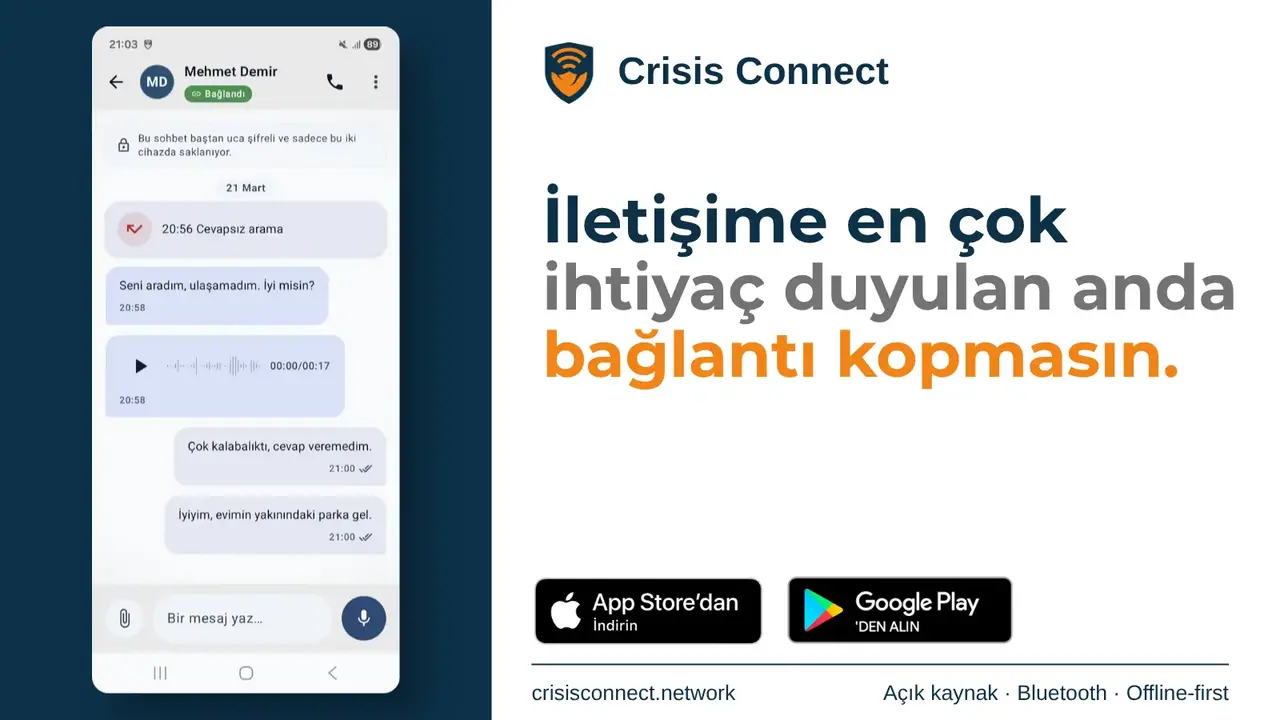
In response to the critical communication failures experienced during natural disasters, 17-year-old student Emirhan Duman has developed Crisis Connect, an innovative offline-first mobile application. Designed to function when cellular networks, Wi-Fi, or internet access are unavailable, this tool enables direct device-to-device communication using Bluetooth technology. Launched for both Android and iOS, the application ensures that users can transmit essential SOS signals, location data, and text messages during emergencies without the need for SIM cards or centralized infrastructure. This breakthrough offers a vital lifeline for communities facing infrastructure collapses, providing a decentralized way to maintain contact when traditional telecommunications networks fail.
- Crisis Connect utilizes Bluetooth Low Energy technology to facilitate direct peer-to-peer communication without relying on cellular towers or internet service providers.
- The application allows users to broadcast SOS calls, GPS coordinates, and short messages to nearby devices in offline scenarios.
- The software functions as an open-source project available on GitHub, ensuring transparency and community-driven development.
- The platform has gained significant traction, exceeding 10,000 downloads on the Google Play Store since its release.
Connectivity Remains Possible Without Mobile Networks
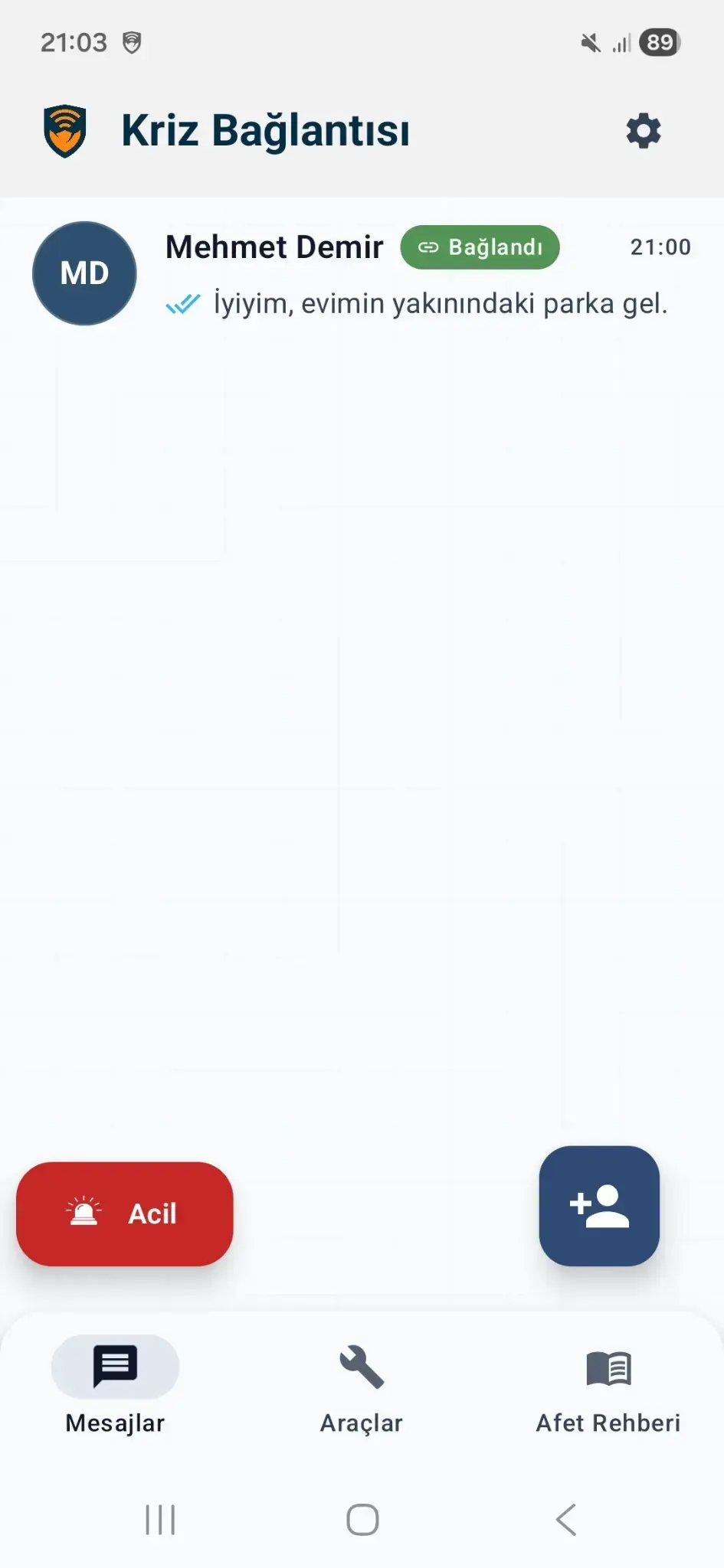
The primary architectural strength of Crisis Connect lies in its ability to bypass telecommunications operators entirely. By leveraging the proximity-based connectivity inherent in modern smartphones, the application forms a localized mesh network. When devices are in range, they detect one another and establish a direct connection, allowing users to share voice notes and critical updates. This hybrid system is designed to operate seamlessly; it uses standard protocols when an internet connection is available and switches automatically to local Bluetooth communication the moment the signal is lost.
Lessons Learned From the February 6 Earthquakes
The development of this tool was directly inspired by the catastrophic communication gaps observed during the February 6, 2023, earthquakes in Turkey. Emirhan Duman observed how the sudden surge in network traffic and the destruction of physical base stations left thousands unable to coordinate assistance. Recognizing that centralized systems are vulnerable to such extreme events, Duman spent a year engineering a fallback solution. His goal is not to replace professional radio systems or satellite communications, but to provide a robust, supplementary layer of safety for individuals during the most critical hours of an emergency.
Capabilities and Technical Limitations are Defined
While the technology provides a vital support channel, it is essential to understand its operational parameters. The range of communication is dictated by physical factors such as wall thickness, building density, and electromagnetic interference. As a proximity-based solution, it serves as a neighborhood-level tool rather than a long-distance communication device. Despite these physical constraints, the project has attracted global interest, including recognition from the United Nations Office for Disaster Risk Reduction (UNDRR) via their PreventionWeb platform, which highlights the potential for such decentralized networks to improve community resilience.
Have you ever considered how you would stay in touch with your family during a total power or network outage? Please share your thoughts on the importance of offline communication tools in modern disaster preparedness in the comments section below.
Your comment has been submitted,
it will be published after approval.