
DDR4 and DDR5 RAM Price Surges May Last Until 2029

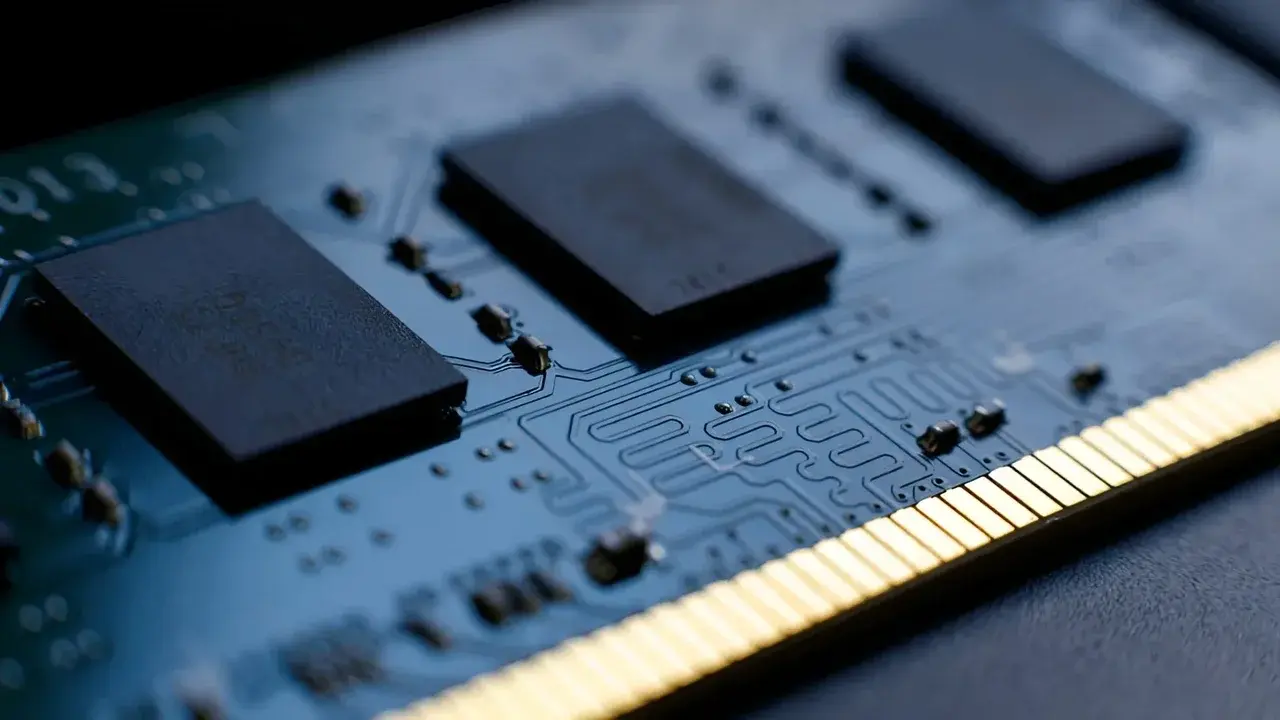
A recent report by Barclays warns that the persistent supply shortage of DDR4 and DDR5 RAM could extend well into 2029, signaling a challenging period for the global technology market. As of October 2026, memory prices have faced significant upward pressure, driven by structural supply imbalances and shifting manufacturing priorities. Investment banks indicate that both contract and spot market prices are climbing, with DDR4 contract costs rising by 24% over the last three months alone. This ongoing volatility forces both manufacturers and consumers to navigate a landscape where hardware costs remain elevated, potentially delaying hardware upgrades for millions of users worldwide.
- Barclays forecasts that current memory market constraints will likely persist through 2029.
- DDR4 contract prices have outpaced DDR5 growth with a 24% increase over a single quarter.
- Chip designers are increasingly utilizing de-speccing strategies to manage severe inventory shortages.
- High-bandwidth memory production for artificial intelligence continues to divert capacity away from standard DRAM and NAND supplies.
Memory Markets Face Sustained Price Volatility
The pricing dynamics for high-performance memory have shifted significantly, with October 2026 data showing an 8% monthly increase for DDR5 spot prices. Unlike historical models where companies relied on fixed pricing structures, new customer agreements are now tied directly to real-time market fluctuations. This change creates a more unpredictable environment for original equipment manufacturers (OEMs). 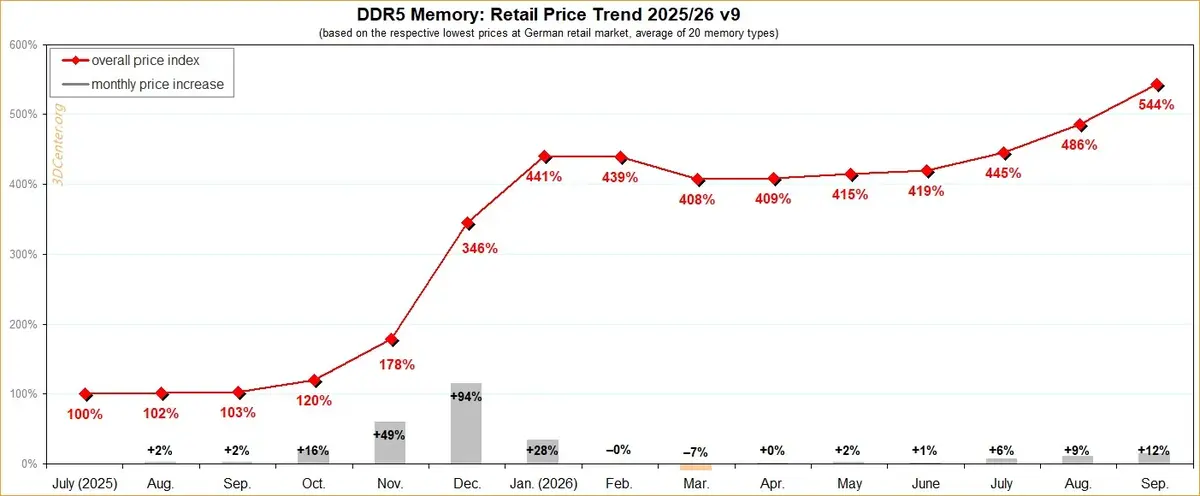 The rapid escalation in costs has compelled chip designers to adopt a practice known as de-speccing, which involves reducing certain technical specifications to bypass supply chain bottlenecks and maintain production levels during this period of extreme scarcity.
Supply Shortages Shape Future Hardware Standards
Industry analysts at Citi have provided further insight into the depth of this crisis, projecting that the supply deficit for DRAM and NAND will not resolve until 2028. The data suggests that DRAM constraints are expected to reach a critical peak in the final quarter of 2027, while NAND availability will likely face its most severe limitations in early 2028. This long-term outlook highlights the structural difficulties within the semiconductor industry, as manufacturers struggle to balance the massive demand for AI-focused hardware with the needs of traditional computing.
Production Priorities Shift Toward Artificial Intelligence
The surge in demand for artificial intelligence infrastructure has fundamentally altered how silicon is allocated. Because high-bandwidth memory (HBM) is essential for modern AI chips, manufacturers are prioritizing the production of these specialized components over standard memory modules. This strategic pivot inadvertently exacerbates the shortage in the NAND and DRAM sectors, further tightening the global supply. Companies like Tesla have already demonstrated the sensitivity of this ecosystem by adjusting the memory capacity of their AI5 chips in response to shifting availability. As the competition for raw silicon intensifies, the cost of building new high-performance systems is expected to remain high for several years to come.
Given the persistent upward trend in memory costs, how have these market constraints influenced your plans for future PC builds or hardware upgrades? We invite you to share your thoughts and strategies in the comments section below.
Your comment has been submitted,
it will be published after approval.