
TUSAŞ Shifts Focus Toward 6th Generation KAAN Fighter Jets

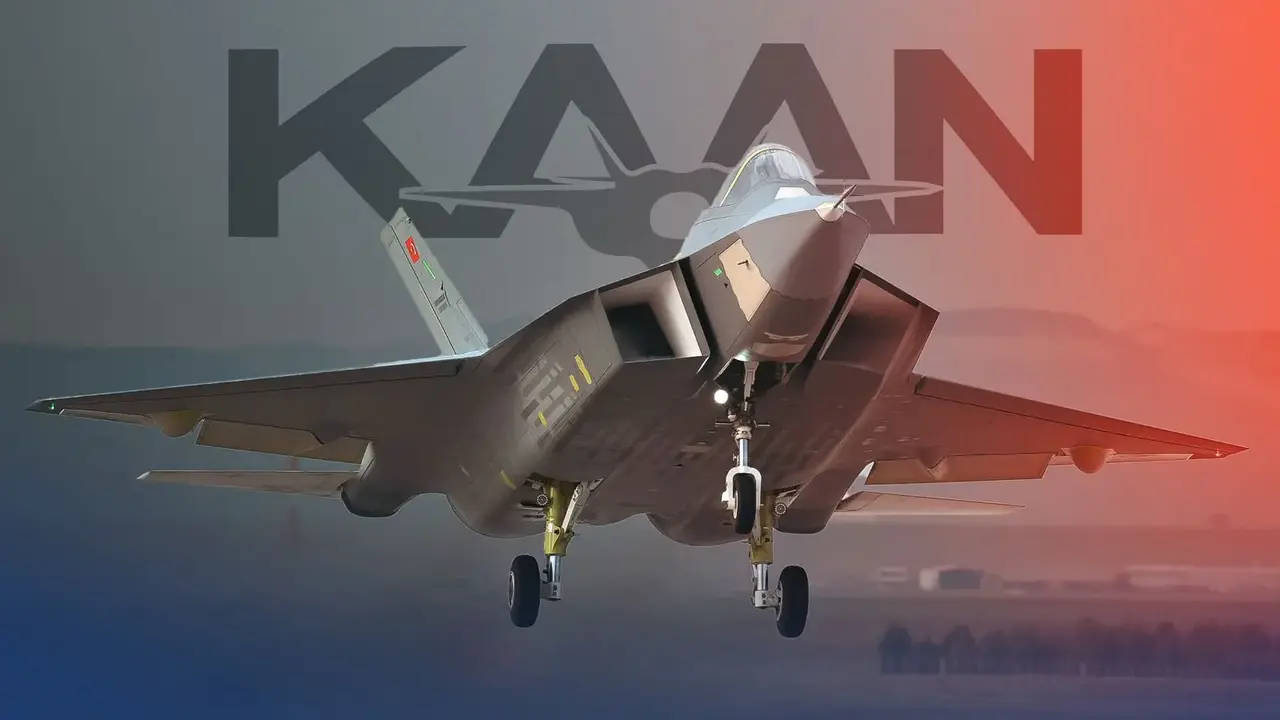
Turkish Aerospace Industries (TUSAŞ) is officially expanding its strategic roadmap to include the development of a 6th generation combat aircraft, building upon the foundations established by the ongoing KAAN national fighter jet program. During recent official engagements in Kastamonu, TUSAŞ General Manager Mehmet Demiroğlu confirmed that while the primary focus remains on the 5th generation KAAN, the company has formally initiated efforts to design and field next-generation aerial capabilities. This ambitious pivot marks a significant milestone for Turkey’s defense sector, signaling an intent to remain at the forefront of global aerospace technology by evolving beyond current 5th generation benchmarks.
- TUSAŞ has officially initiated development efforts for a 6th generation combat aircraft platform.
- The P1 prototype of the current 5th generation KAAN is scheduled to conduct its maiden flight in 2026.
- Future 6th generation concepts will integrate advanced artificial intelligence, swarm drone coordination, and enhanced sensor fusion.
The Development Timeline of the 5th Generation KAAN Continues
While the long-term objective now includes 6th generation technology, the immediate priority for TUSAŞ remains the maturation of the current KAAN platform. Following the successful inaugural flight of the P0 prototype, engineering teams are aggressively pursuing the development of the P1 prototype. According to official projections, this aircraft is expected to take to the skies in 2026. Parallel to these efforts, work on the P2 prototype is already underway, ensuring a robust testing cycle that will refine the structural and avionics capabilities of the fleet.
Before the P1 prototype achieves flight status, it must undergo a comprehensive series of ground tests. These evaluations include rigorous structural integrity assessments and high-speed taxi trials, which will provide critical data for the final flight readiness certification. The results of these trials are vital, as they will dictate the specific schedule for subsequent testing phases and eventually pave the way for mass production requirements.
Turkey Aims to Lead in Future Combat Technologies
The transition toward 6th generation aircraft represents more than just a technological upgrade; it is a strategic effort to cement Turkey’s position in the global defense market. These future systems are expected to feature advanced artificial intelligence-supported mission management, deep integration between manned and unmanned aerial vehicles, and sophisticated cross-platform data sharing. By leveraging the expertise gained through the KAAN program, TUSAŞ seeks to translate its current industrial success into a sustainable advantage in next-generation warfare.
The current program has already transformed Turkey’s domestic industrial capacity by enhancing expertise in system integration, advanced avionics, and complex design methodologies. This technical ecosystem is essential for the transition to more advanced platforms. While specific technical details and the final operational timeline for the 6th generation project remain under development, the stated intent demonstrates a clear commitment to maintaining a competitive edge in modern aerospace engineering.
As Turkey pushes the boundaries of aerospace innovation with the 6th generation KAAN project, we invite our readers to share their thoughts on the future of autonomous combat systems. How do you believe AI integration will change the landscape of aerial warfare in the coming decade? Let us know your opinions in the comments section below.
Your comment has been submitted,
it will be published after approval.