
DDR4 RAM Prices Expected to Surge by 50 Percent

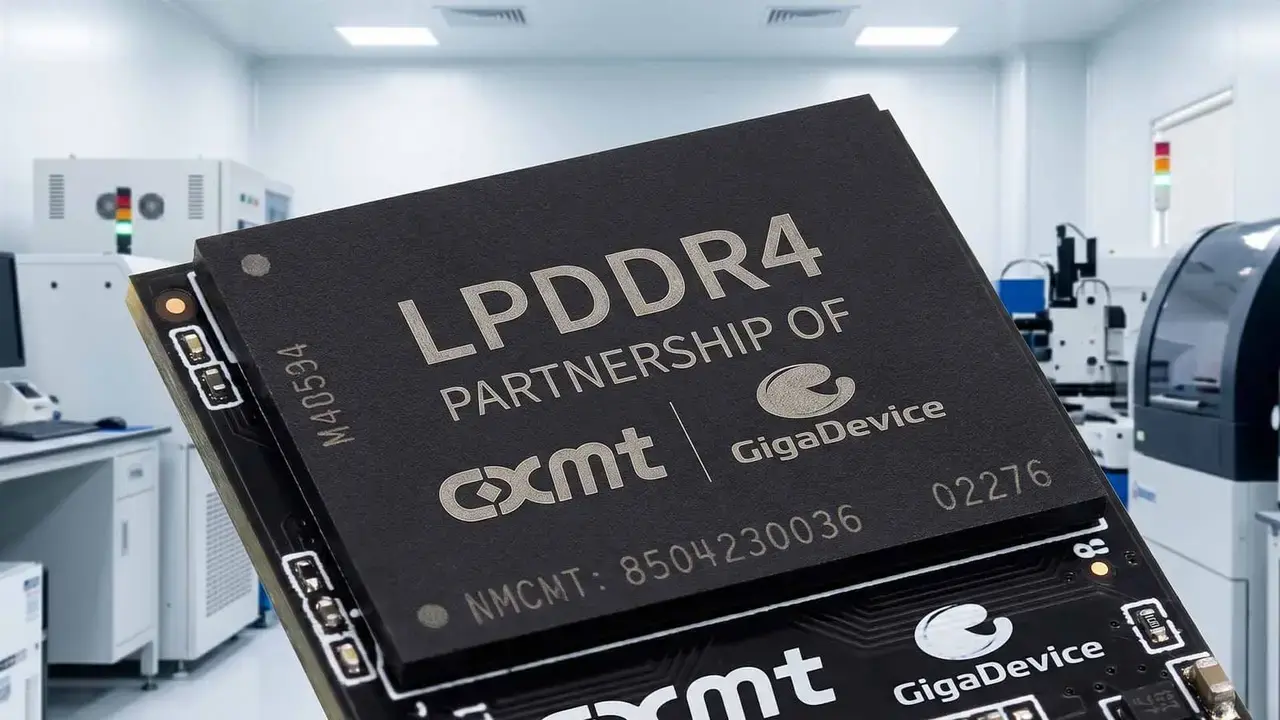
A recent report released by Morgan Stanley analysts warns that global DDR4 RAM prices could experience a significant surge of up to 50 percent in the near future. This sharp price hike is expected to materialize by the end of the current quarter, with an additional 10 percent increase forecasted for the fourth quarter. The primary driver behind this volatility in the technology market is a strategic shift by major manufacturers who are intentionally limiting DDR4 production volumes to prioritize the manufacturing capacity for newer, high-demand technologies such as HBM, DDR5, and NAND memory components.
- Morgan Stanley analysts project a 50 percent increase in DDR4 memory prices in the immediate term.
- Memory manufacturers are shifting production lines toward HBM and DDR5 technologies.
- An additional 10 percent price hike for DDR4 modules is anticipated in the fourth quarter.
- Industrial-grade SLC NAND chips are also facing substantial cost increases.
Production Strategies are Reshaping the Global Memory Market
The current instability in the memory sector stems from the deliberate strategic maneuvers of major hardware manufacturers. As companies focus their resources on high-margin products like HBM and advanced NAND storage units, the supply of older generation components, specifically DDR4, is being systematically throttled. This reduction in manufacturing priority directly limits the availability of these memory sticks in global retail and wholesale channels, inevitably pushing costs higher for end-users and system integrators alike.
The tightening of the DDR4 supply chain will significantly increase the total cost of building new desktop computers.
New Generation DDR5 Memory Prices are Increasing
While the focus remains on the scarcity of older components, the DDR5 memory market is also witnessing a renewed upward price trend. Market analysts emphasize that the relative stability seen in previous months for DDR3 and DDR4 modules is coming to an abrupt end. The industry-wide reallocation of fabrication capacity suggests that no segment of the legacy memory market will remain insulated from these rising costs. This shift forces a reevaluation of budgeting for both casual users and professional workstations that rely on standard memory configurations.
Beyond standard consumer-grade products, the report highlights that SLC-type NAND chips are expected to see price jumps of approximately 50 percent. While this specific increase primarily affects industrial and enterprise-level applications, the ripple effect across the broader technology ecosystem remains a point of concern for investors and supply chain managers. The synchronization of these price hikes suggests a broader systemic adjustment within the semiconductor sector.
This sudden market shift may force consumers to postpone their planned memory hardware upgrades.
Industry Price Changes are Influencing Market Expectations
The coming months will be critical for stakeholders in the memory market as they navigate these supply-demand imbalances. Investors and tech enthusiasts are closely monitoring how manufacturers manage their limited production lines. If the projections provided by Morgan Stanley hold true, consumers will soon face significantly higher price tags for essential hardware components. Whether these adjustments lead to long-term market stabilization or further volatility remains a subject of intense debate among industry experts.
How do you think this sharp rise in DDR4 memory prices will affect your plans for building or upgrading your computer system? Share your thoughts and experiences in the comments section below.
Your comment has been submitted,
it will be published after approval.