
Diesel Prices in Turkey Cross the 100 TL Threshold

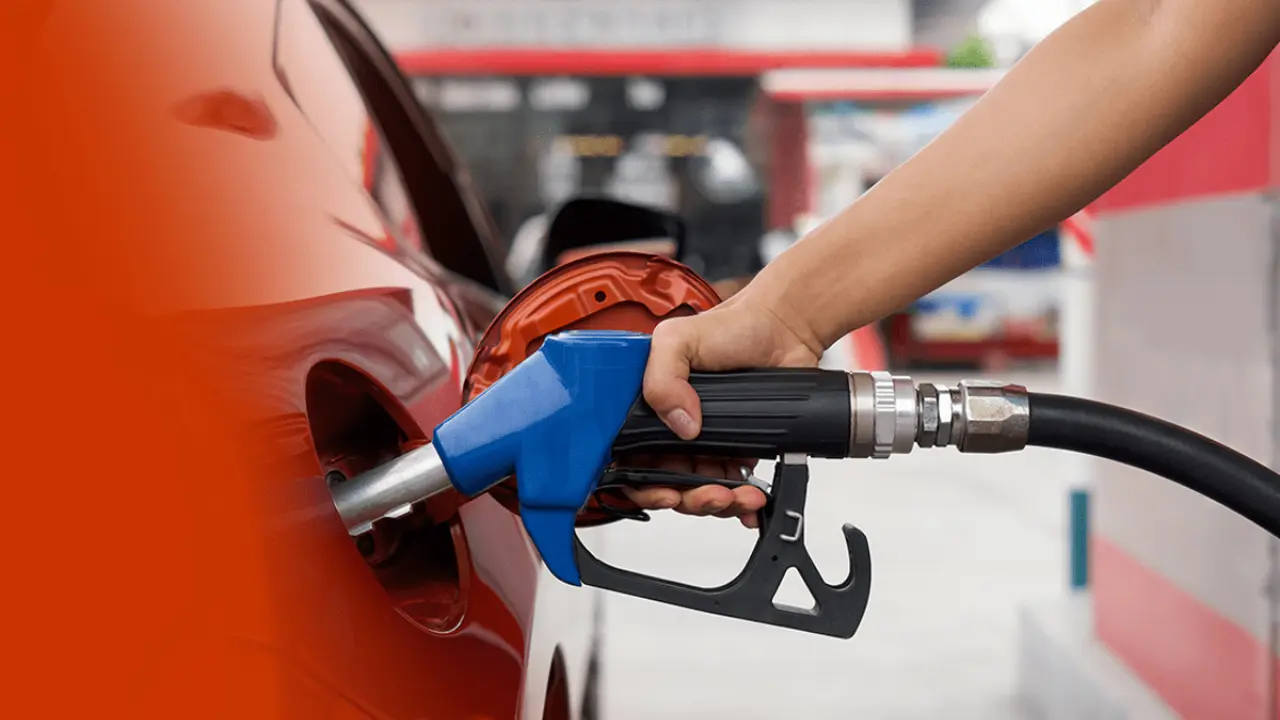
Following a period of intense volatility in the Turkish fuel market, the price of diesel has officially surpassed the psychological barrier of 100 TL per liter. This significant adjustment occurred after a recent surge of 6.50 TL on September 15, followed by a subsequent hike of 4.60 TL announced shortly thereafter. As of now, major metropolitan areas including Istanbul, Ankara, and Izmir are witnessing record-high pump prices for diesel. The sharp increase is primarily attributed to ongoing instability in global energy markets, which continues to drive up transportation and logistics costs for both businesses and individual consumers across the country.
- Diesel prices have officially exceeded the 100 TL threshold in major Turkish cities following a recent 4.60 TL increase.
- The price of diesel reached 100.31 TL on the European side of Istanbul.
- Finance Minister Mehmet Şimşek stated that tax waivers keep domestic prices lower than those seen in European counterparts.
- The government confirmed that the Eşel Mobil system will not be included in the upcoming year’s budget planning.
Diesel Prices Exceed the 100 TL Threshold in Major Cities
The recent price adjustments have created a varied landscape for fuel costs across different regions of Turkey. In Istanbul, the European side recorded a price of 100.31 TL per liter, while the Anatolian side saw rates settle at 100.19 TL. Residents in the capital city of Ankara are now paying 101.43 TL, and those in Izmir face prices around 101.70 TL. These rapid changes have caused significant concern among drivers, who are struggling to adapt to the mounting financial burden that these pump prices impose on their daily commutes and household budgets.
Finance Minister Şimşek Explains the Current Economic Policies
Addressing public concerns, Treasury and Finance Minister Mehmet Şimşek provided insights into the government’s strategy during a recent public appearance. He compared Turkey’s fuel situation to that of several European nations, noting that the cost of a liter of diesel in many European countries frequently exceeds the equivalent of 150 TL.
Minister Şimşek emphasized that Turkey has managed to keep domestic prices near the 100 TL mark primarily through specific tax waivers and government-led financial interventions. He argued that despite the challenging global economic environment, the government is fulfilling its responsibilities to protect the citizenry from the full weight of international price hikes. These statements serve to clarify the administration’s stance on fiscal discipline while preparing the public for the economic realities of the coming fiscal year.
The Eşel Mobil System Will Not Continue Next Year
A critical component of the government’s future financial outlook involves the discontinuation of the Eşel Mobil system. Minister Şimşek clarified that this mechanism, which previously helped buffer fuel price spikes, will not be integrated into the budget plans for the next year. This announcement is widely interpreted as a signal that the government is moving toward a more rigid fiscal framework regarding energy taxes. Market analysts are now closely monitoring how this shift in policy will influence domestic fuel costs and general inflation trends as the country moves into the next economic cycle.
How have these recent and rapid increases in fuel prices impacted your personal monthly budget and transportation habits? Please share your thoughts and potential solutions with us in the comments section below.
Your comment has been submitted,
it will be published after approval.