
DJI Launches Advanced Parachute System for High-Budget Drones

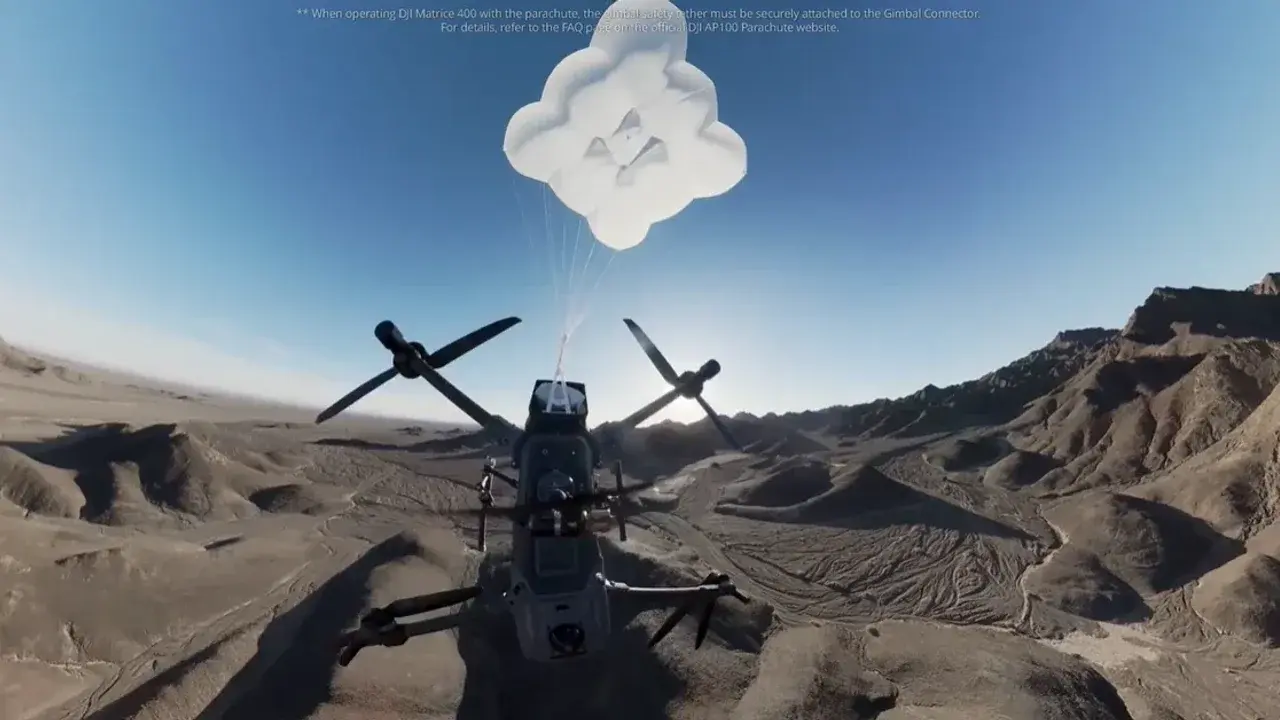
To mitigate the significant financial risks associated with control failures in professional aerial equipment, DJI has officially introduced its new DJI AP100 Parachute system. Designed specifically for high-end enterprise models, starting with the Matrice 400, this hardware offers a critical safety layer for expensive drone operations. By integrating advanced flight-termination technology, the system ensures that operators can protect their substantial investments against sudden hardware malfunctions. The launch represents a strategic move by DJI to provide robust, compliance-ready solutions for the professional drone market, where loss of equipment can result in substantial operational downtime and major fiscal impact.
- The DJI AP100 Parachute system deploys in under 600 milliseconds to reduce descent speeds below 5m/s.
- This safety equipment features an IP55 rating and remains operational in temperatures up to 50 degrees Celsius.
- The device incorporates a dedicated, independent power source and flight controller to ensure reliability.
- The system is priced at $1,050 and assists operators in meeting stringent European Union aviation safety regulations.
The AP100 System Enhances Operational Safety Standards
The DJI AP100 Parachute is engineered to handle the complexities of heavy-duty drone flight. Weighing a total of 935 grams, the unit is constructed to withstand harsh environments, holding an IP55 certification for water resistance. It functions reliably at altitudes up to 4,500 meters, ensuring consistent performance for professional users working in diverse climates. 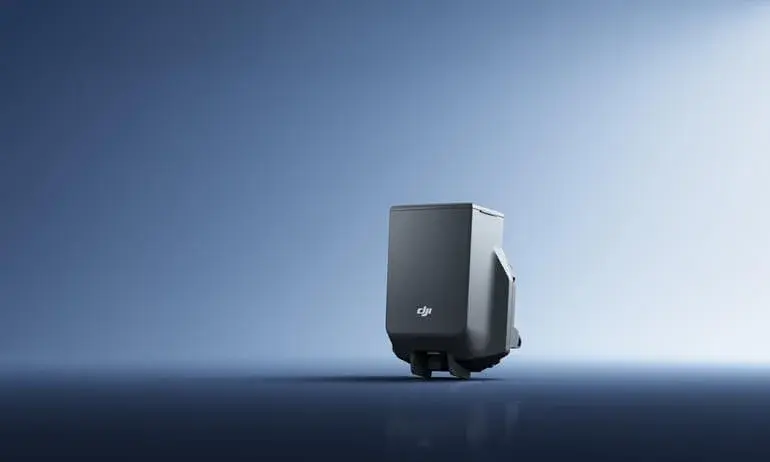
A core feature of the system is its autonomous flight-termination mechanism. When the internal sensors detect a critical failure, the unit immediately cuts power to the rotors. This rapid response allows the parachute to deploy in less than 600 milliseconds, successfully curbing the drone’s descent speed to below 5 meters per second. This rapid activation is vital for preventing ground impact damage.
The integration of this parachute system drastically reduces the risk of total loss for $10,000 enterprise drone assets.
The Design Prioritizes User Efficiency and Compliance
Beyond its primary safety function, the system is designed for ease of use. It includes a dedicated power unit that provides up to one hour of backup energy, independent of the main drone battery. Furthermore, the design allows users to swap drone batteries without having to remove the parachute assembly, maintaining workflow efficiency in the field. The overall impact on total flight time is minimal, with only a six-minute reduction.
To prevent false activations, the system utilizes specialized algorithms that distinguish between intentional maneuvers and genuine emergencies. The unit also provides clear visual and auditory feedback upon landing, notifying the operator that the safety protocol has been executed. These features collectively ensure that the parachute does not interfere with the standard operations of the aircraft while providing essential peace of mind.
With the Matrice 400 frequently used for industrial inspections and mapping, the addition of this safety tool helps operators adhere to strict European Union aviation regulations. As professional drone usage becomes more regulated worldwide, having access to certified safety hardware is no longer a luxury but a requirement for many commercial entities.
Given the increasing reliance on high-cost drone technology for critical infrastructure and commercial projects, do you believe that built-in parachute systems should become a mandatory industry standard for all enterprise-grade aircraft? Share your thoughts in the comments section below.
Your comment has been submitted,
it will be published after approval.