
Elon Musk Explores Potential Merger of Tesla and SpaceX

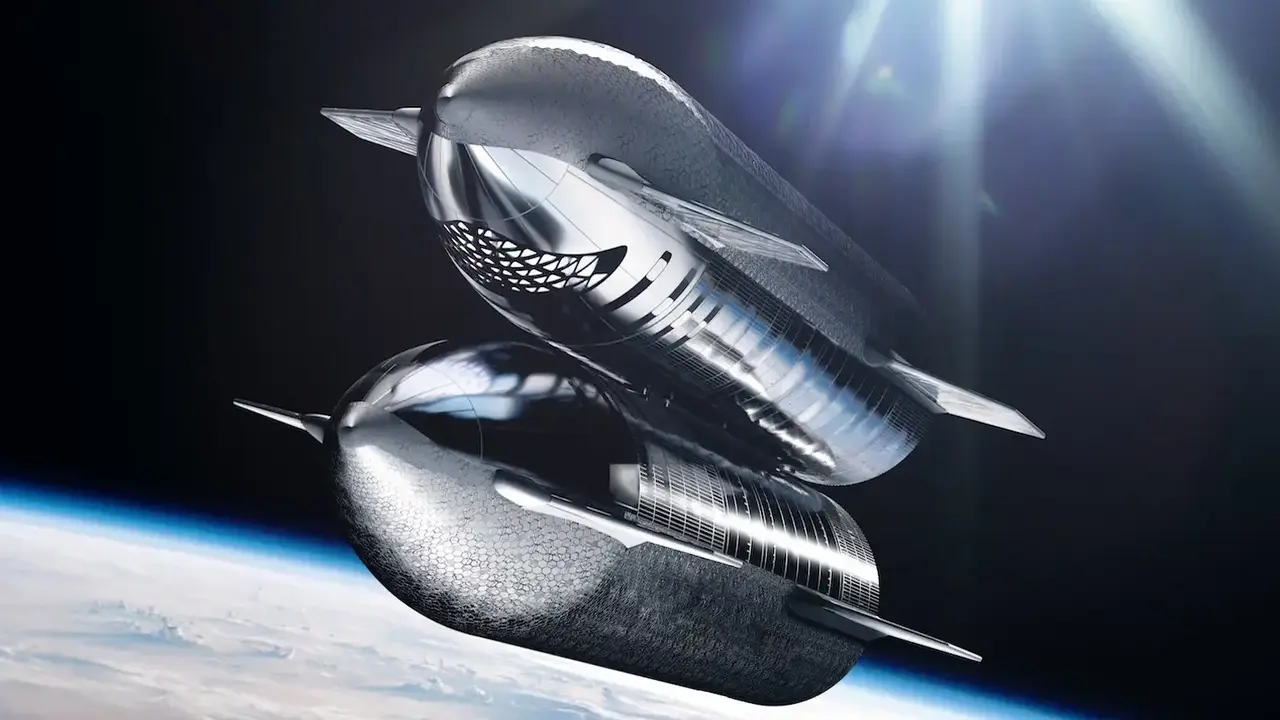
Elon Musk, the visionary leader behind several transformative enterprises, has announced a major step toward consolidating his business empire. During a recent third-quarter financial results meeting, Musk confirmed that special committees have been established to investigate the possibility of merging Tesla, his electric vehicle manufacturer, with SpaceX, his private space exploration firm. This announcement marks a significant shift in corporate strategy, as these two companies have historically operated as separate entities despite sharing a common leader and certain technological interests. The committees are tasked with determining how such a massive integration would function legally and operationally. While the merger is not yet a certainty, Musk’s public endorsement of the idea suggests a serious commitment to uniting his automotive and aerospace ambitions under a single corporate umbrella.
- The legal and financial implications of the potential merger are being evaluated.
- Elon Musk announced the formation of these committees as the earnings call concluded.
- Technological efficiencies in battery production and autonomous software are expected.
- The integration of automotive and aerospace engineering will likely accelerate.
Unprecedented Technological Synergies will soon Emerge
The potential unification of Tesla and SpaceX represents more than just a financial consolidation; it is a strategic alignment of two cutting-edge research and development powerhouses. Tesla has long been a pioneer in high-capacity battery technology and artificial intelligence through its Full Self-Driving (FSD) software. Conversely, SpaceX has revolutionized the aerospace industry with reusable rocket technology and the Starlink satellite constellation. By bringing these two entities together, Musk believes that the exchange of proprietary technology will accelerate innovation in ways that were previously impossible.
Experts suggest that material science will be one of the primary beneficiaries of this merger. Tesla’s development of ultra-hard cold-rolled stainless steel for the Cybertruck already shares commonalities with the materials used in SpaceX’s Starship. Furthermore, the advanced thermal management systems required for electric vehicles could find critical applications in spacecraft design. The integration of these engineering disciplines would likely create a feedback loop of innovation, where advancements in one sector directly enhance the capabilities of the other.
The Merger Feasibility is Studied
Despite the excitement surrounding the announcement, the path to a merger is fraught with complex regulatory and financial hurdles. Tesla is a publicly traded company with a diverse group of shareholders and strict transparency requirements. In contrast, SpaceX remains a private entity, which allows it more flexibility but makes valuation and ownership transfers significantly more complicated. The special committees established by Musk must navigate these differences to ensure that the interests of all stakeholders, particularly Tesla’s public investors, are protected.
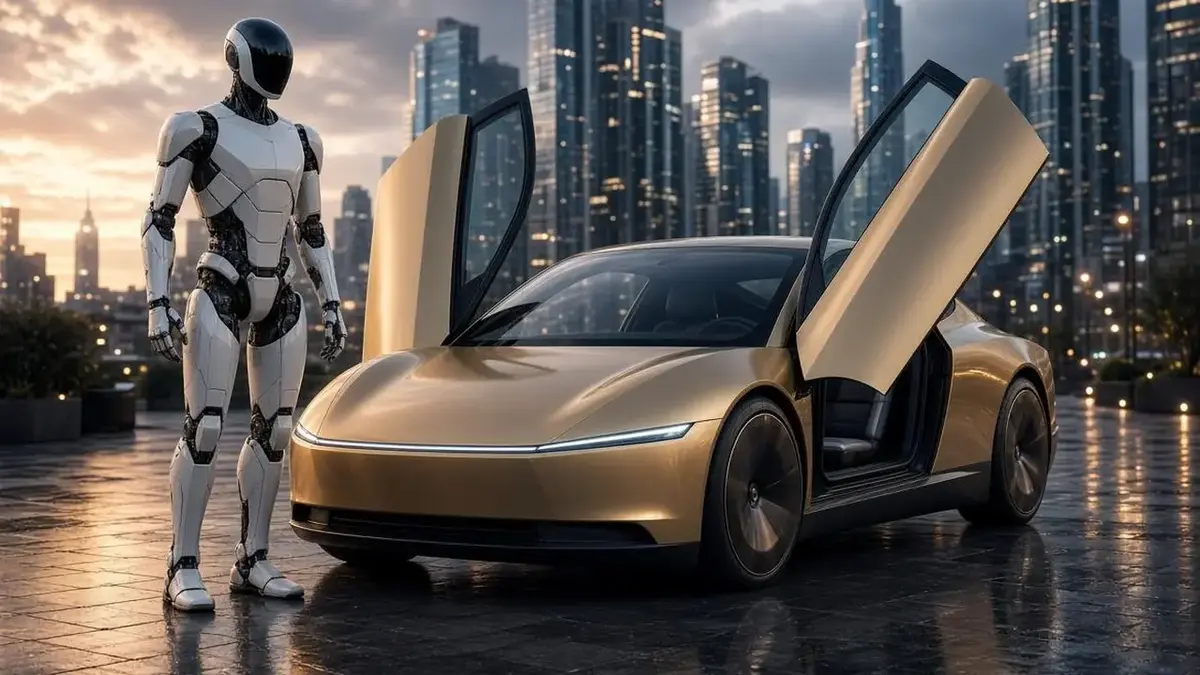
The financial structure of the deal would also require intense scrutiny from global regulators. Authorities will likely examine whether the merger creates an unfair advantage or if it complicates the financial stability of either firm. Musk has emphasized that the process is still in its infancy and that the committees will take their time to perform due diligence. He noted that while he is personally in favor of the move, the final decision will depend on whether the integration provides a clear benefit to the long-term goals of both organizations. The possibility of creating a unified tech conglomerate has already sparked intense discussion among market analysts.
Market Competition will surely Intensify
A combined Tesla and SpaceX entity would possess a market presence that is virtually unmatched in the modern era. This powerhouse would not only compete with traditional automakers like Ford and Volkswagen but also with aerospace giants such as Boeing and Lockheed Martin. The sheer scale of the resulting organization could force competitors to rethink their own strategies, potentially leading to further consolidation within the tech and transportation sectors as other firms attempt to keep pace with Musk’s combined resources.
From a visionary standpoint, the merger aligns with Musk’s long-term goal of making life multi-planetary. By integrating the sustainable energy solutions of Tesla with the transportation capabilities of SpaceX, Musk can streamline the logistics of his Mars colonization plans. Managing these massive projects from a single headquarters would allow for better resource allocation and a more cohesive execution of his overarching vision for humanity’s future. The potential for shared research into autonomous navigation for both terrestrial and extraterrestrial environments remains one of the most exciting prospects of this industrial shift.
How do you think the merger of these two technological giants will reshape the future of transportation and space exploration? Share your thoughts and predictions on this historic move in the comments below.
Your comment has been submitted,
it will be published after approval.