
Turkey’s First Particle Accelerator TARLA Successfully Completes First Experiment

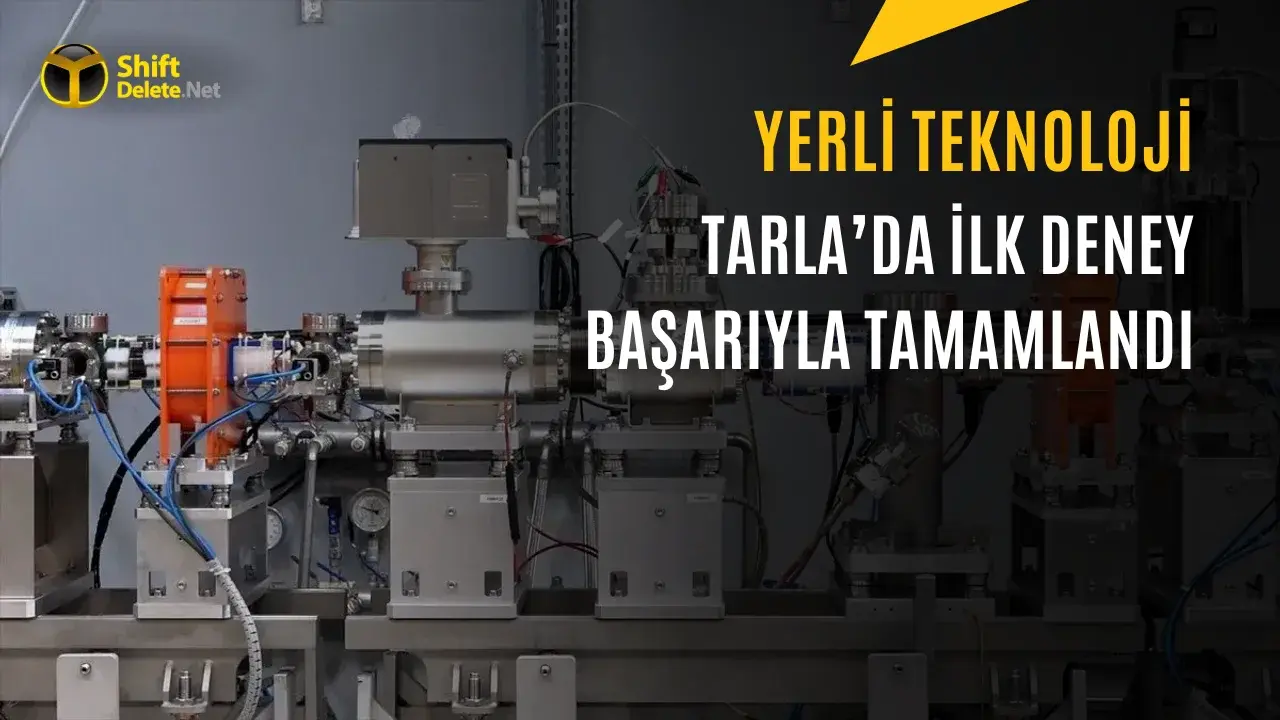
The Turkish Accelerator and Radiation Laboratory (TARLA), established under the auspices of Ankara University, has successfully conducted its inaugural experiment, marking a significant milestone as Turkey’s first indigenous particle accelerator. By accelerating electrons to generate high-energy gamma rays, researchers performed a controlled test on glass and plexiglass samples to observe their structural response to radiation. This achievement represents a critical leap in the nation’s scientific infrastructure, demonstrating the country’s growing capability in high-tech research and subatomic particle manipulation. The successful operation signals a new era for domestic scientific development and engineering excellence in Turkey.
- The TARLA facility successfully accelerated electrons to conduct its first controlled radiation experiment on various material samples.
- Researchers observed physical degradation and color changes in materials exposed to high-energy gamma rays generated by the facility.
- This indigenous infrastructure enables the testing of components against extreme radiation conditions to enhance their durability.
- The laboratory provides a domestic platform for critical research in space technology, defense, and medical physics.
During the initial testing phase, the research team focused on material resilience by subjecting glass and plexiglass to intense gamma radiation. The results were immediate and observable, with the glass sample exhibiting a distinct color shift, while the plexiglass displayed internal structural fractures and physical deterioration. 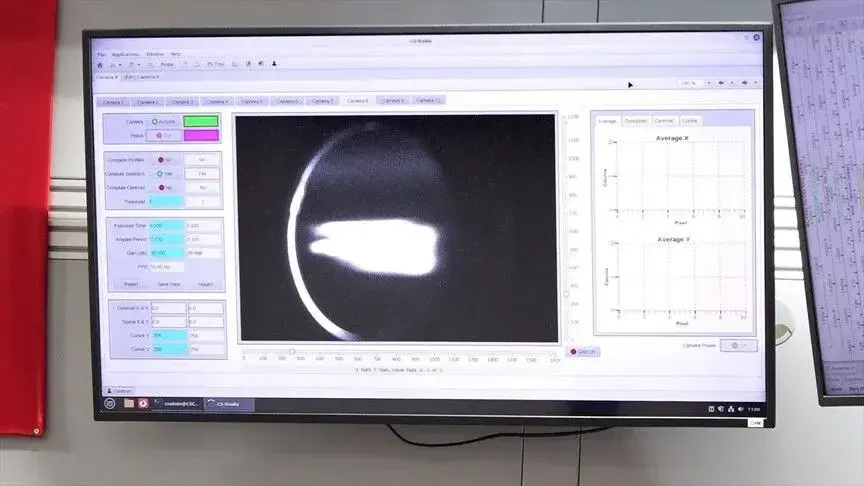 These findings prove that TARLA can create the precise, controlled environments necessary for deep-level material analysis. By pushing subatomic particles to extreme energy levels, the facility generates the high-quality radiation required to simulate conditions that would otherwise be impossible to replicate in standard laboratory settings.
Material Durability Testing Enhances Space Technologies
This newly developed capability carries significant implications for the aerospace and satellite sectors. Components deployed in Earth’s orbit or deep space are constantly subjected to cosmic radiation from the Sun and other celestial sources. This continuous exposure often leads to the degradation of sensitive optical systems, such as camera lenses and electronic sensors, which eventually compromises the quality of data transmitted back to Earth. 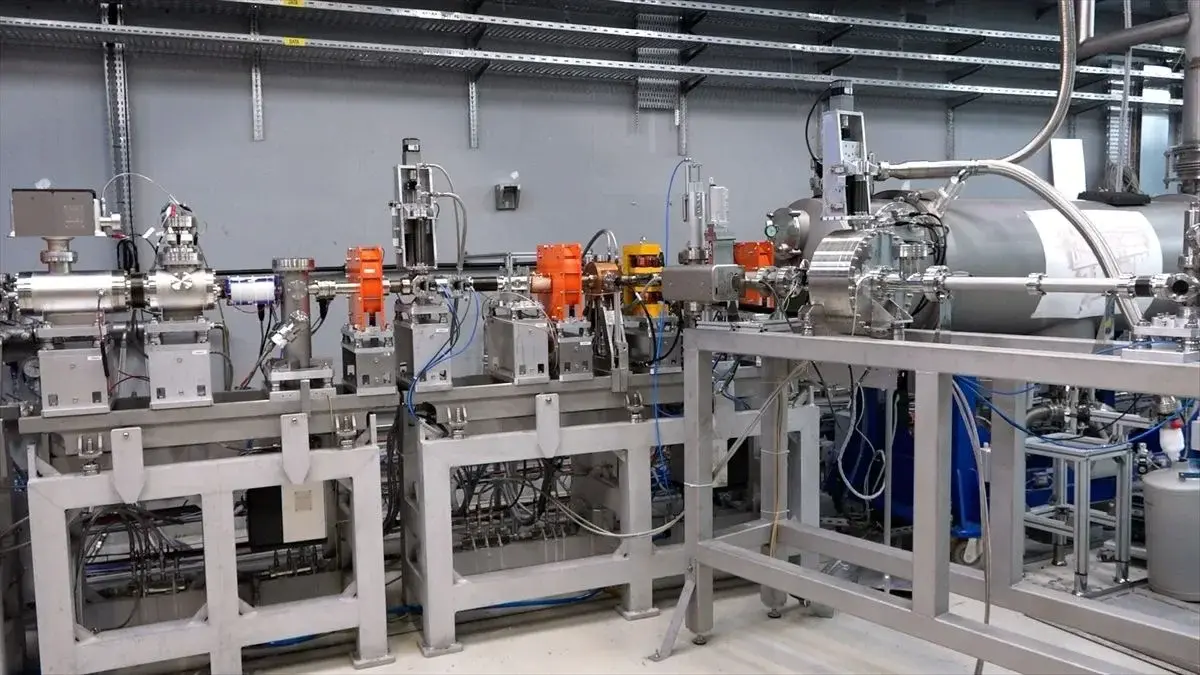 By utilizing TARLA’s facilities, engineers can now test new materials to ensure they withstand these harsh conditions, thereby extending the operational lifespan of satellites and critical space hardware.
Medical Applications Advance Cancer Research
Beyond engineering and space exploration, the laboratory is poised to play a transformative role in the medical field, particularly in oncology. Future research initiatives at the facility will focus on the development of radioactive materials used for both the diagnosis and treatment of cancer. Specifically, the center aims to facilitate studies on substances that can identify tumor tissues or target malignant cells directly. By establishing this local infrastructure, Turkey seeks to reduce its dependency on imported nuclear medicine technology and accelerate the development of domestic cancer diagnostic tools. This initiative represents a strategic integration of physics, engineering, and medical science to address national health challenges.
Given the strategic importance of this technological breakthrough, how do you envision this domestic infrastructure shaping Turkey’s future role in global space exploration and advanced medical treatments? We invite you to share your thoughts and perspectives in the comments section below.
Your comment has been submitted,
it will be published after approval.