
Essential Tire Pressure Chart: Keeping Your Vehicle Safe and Efficient

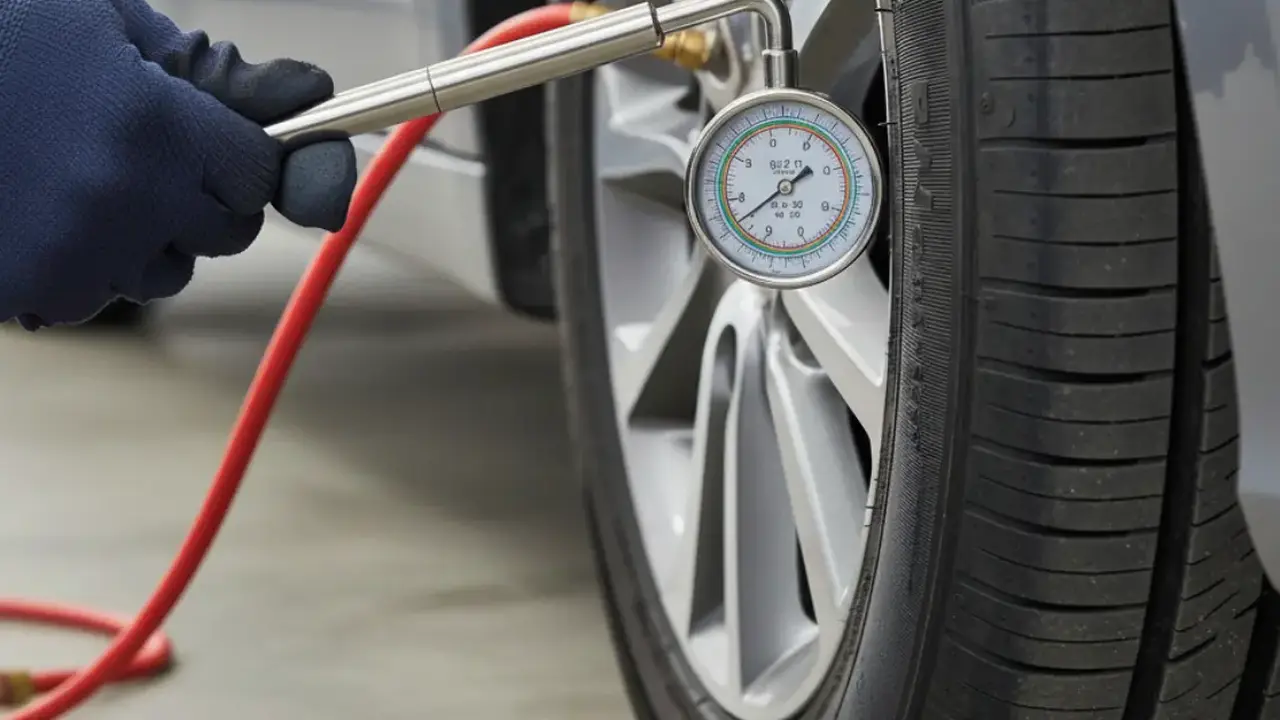
Maintaining the correct tire pressure is the most critical factor for ensuring vehicle safety, optimizing fuel efficiency, and extending the operational life of your tires. Every vehicle manufacturer specifies ideal pressure values based on the model, tire size, and load capacity to provide the safest driving experience. For drivers unsure about the specific requirements for their vehicles, consulting a comprehensive tire pressure chart is essential for proper maintenance. By checking your tire air pressure regularly—ideally once a month and before embarking on long journeys—you prevent premature wear and ensure your vehicle remains responsive and stable under various driving conditions.
- Correct tire pressure reduces fuel consumption by preventing unnecessary rolling resistance on the road.
- Proper inflation levels significantly extend the service life of tires by ensuring even tread wear.
- Inadequate tire pressure compromises vehicle stability during cornering and increases overall braking distances.
- External temperatures cause tire pressure to drop by approximately 1 to 2 PSI for every 10 degrees Celsius decrease.
Understanding the standard pressure requirements for different vehicle categories is fundamental for any driver. While passenger cars typically operate within a range of 30 to 35 PSI, heavier vehicles like SUVs, light commercial vans, and trucks require significantly higher pressure to support their weight and structural design. For instance, light commercial vehicles may require pressures ranging from 41 to 55 PSI depending on the specific load conditions. It is important to note that 1 BAR is approximately equivalent to 14.5 PSI, a conversion useful when using different international pressure gauges.
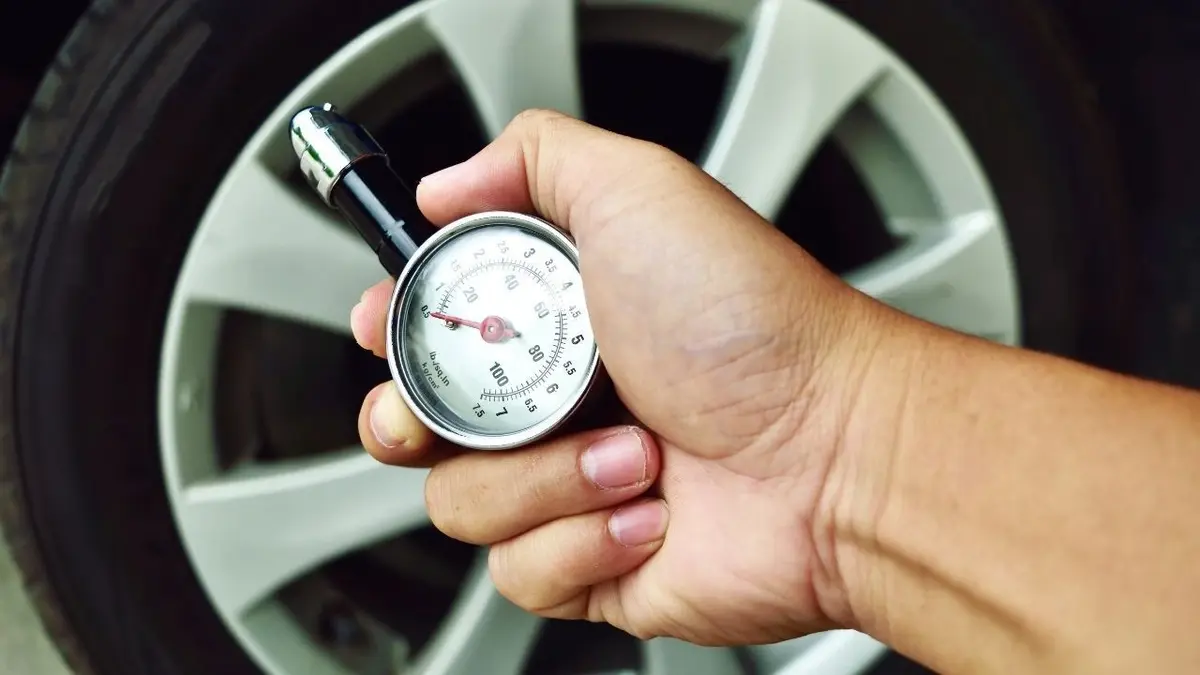
Manufacturers Define Specific Pressure Standards for Every Vehicle
The most accurate way to determine the correct inflation level for your specific vehicle is to refer to the manufacturer’s official documentation. These specifications are commonly found on a sticker located on the driver-side door jamb, inside the fuel filler cap, or within the owner’s manual. Relying on these manufacturer-provided values is safer than using generic estimates, as they are calculated based on the specific chassis dynamics and weight distribution of your exact model. Always prioritize these official sources over general advice when adjusting your tire pressure.
Environmental Factors Influence Necessary Tire Maintenance
Environmental conditions, particularly cold weather, play a major role in tire performance. As temperatures drop during the winter months, the air inside the tires contracts, leading to a decrease in PSI. Failing to compensate for this natural pressure loss can result in under-inflated tires, which negatively impacts fuel economy by 3 to 5 percent and increases the risk of tire failure. Establishing a consistent maintenance routine that accounts for seasonal temperature fluctuations ensures that your tires perform optimally regardless of the climate, providing a safer and more comfortable ride for all passengers.
Have you recently checked your vehicle’s tire pressure, or do you have a specific maintenance tip that helps you stay safe on the road? Please share your experiences and questions in the comments section below.
Your comment has been submitted,
it will be published after approval.