
Tesla Targets Year-End Launch for Autonomous Cybercab Sales

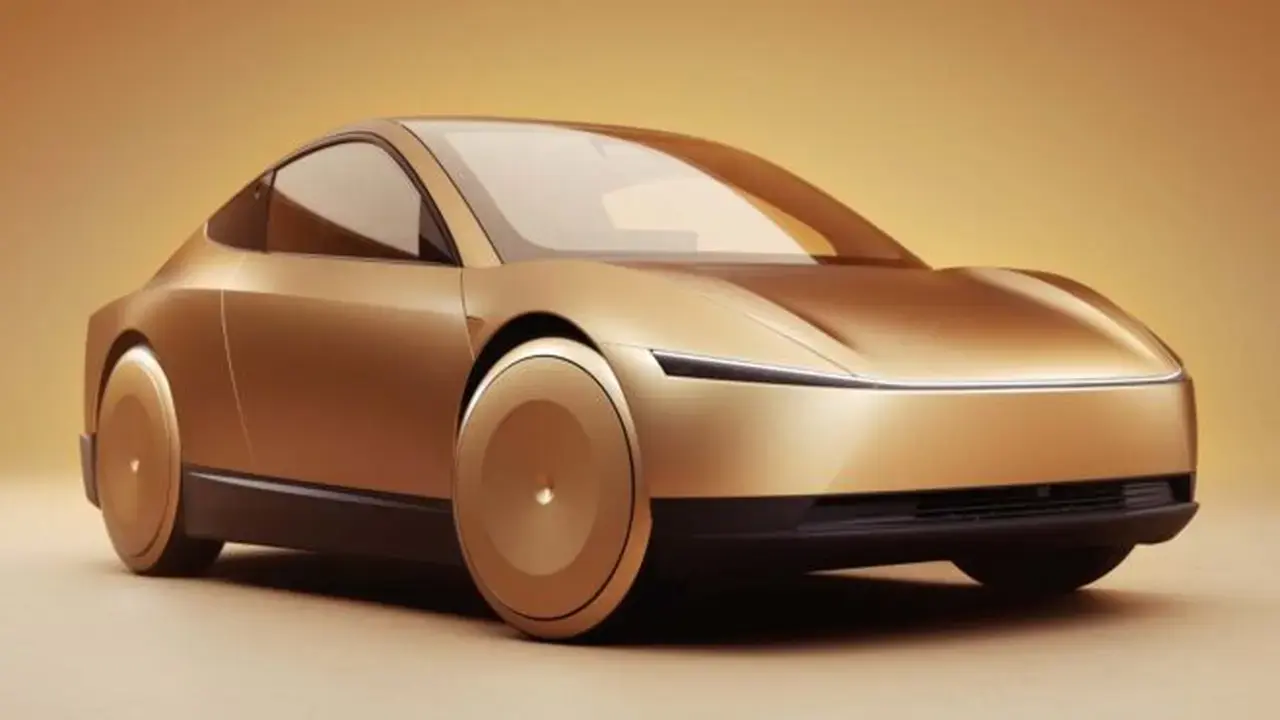
Tesla has officially announced its ambitious goal to begin sales of its highly anticipated Cybercab by the end of this year. This next-generation autonomous vehicle, which notably lacks traditional manual controls such as a steering wheel or pedals, represents a significant shift in Tesla’s automotive strategy. By moving away from personal ownership models toward a “transportation-as-a-service” framework, the company aims to redefine urban mobility. Tesla executives are currently finalizing production preparations to ensure these two-seater, gold-finished robotic vehicles are ready to integrate into the company’s autonomous fleet, marking a pivotal moment in the evolution of self-driving technology.
- Tesla plans to prioritize the integration of the new Cybercab models into its internal robotaxi fleet before expanding to third-party customer deliveries.
- Regulatory bodies, specifically the National Highway Traffic Safety Administration, are currently reviewing the safety compliance of vehicles lacking manual steering and braking controls.
- The release of the long-awaited unsupervised Full Self-Driving system has been officially rescheduled for the second quarter of next year.
Tesla Engineers Prioritize Autonomous Fleet Integration
Lars Moravy, Tesla’s Vice President of Vehicle Engineering, clarified that the initial production run of the Cybercab will be reserved for the company’s proprietary robotaxi network. This strategic decision allows the company to monitor performance and safety in a controlled environment as the fleet expands. Elon Musk has consistently differentiated the Cybercab from consumer-grade vehicles like the Model 3, Model Y, and the Roadster, describing the new model as a utility asset rather than a personal vehicle. 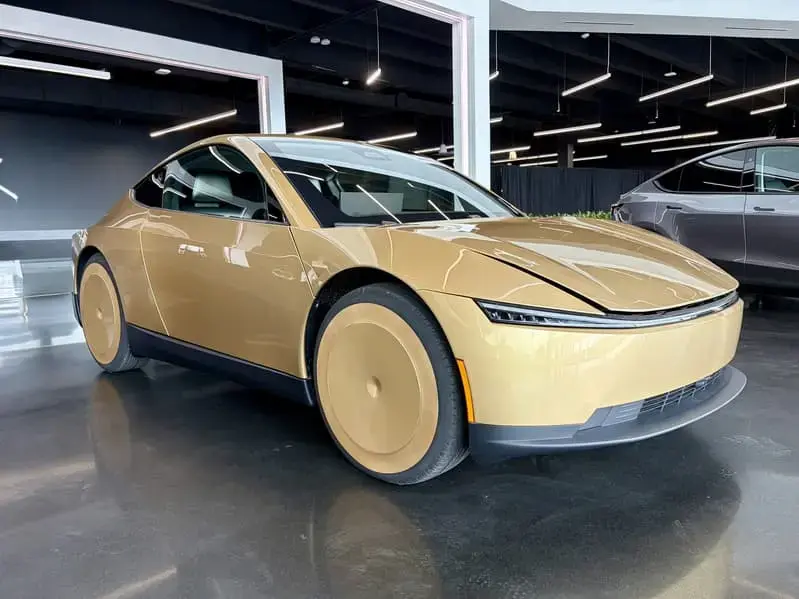
While the company previously indicated an interest in selling these units to third-party operators, the current focus remains on building the operational infrastructure. Tesla has already begun accepting inquiries from parties interested in purchasing units, signaling a potential shift toward a business-to-business model in the near future.
Regulatory Hurdles Complicate Future Deployments
The path to a full-scale rollout is not without significant obstacles. The National Highway Traffic Safety Administration (NHTSA) has launched a thorough investigation into the design of the Cybercab. Because federal safety standards mandate that vehicles must possess physical pedals and rearview mirrors, Tesla faces a complex certification process to prove that its autonomous architecture meets safety requirements. 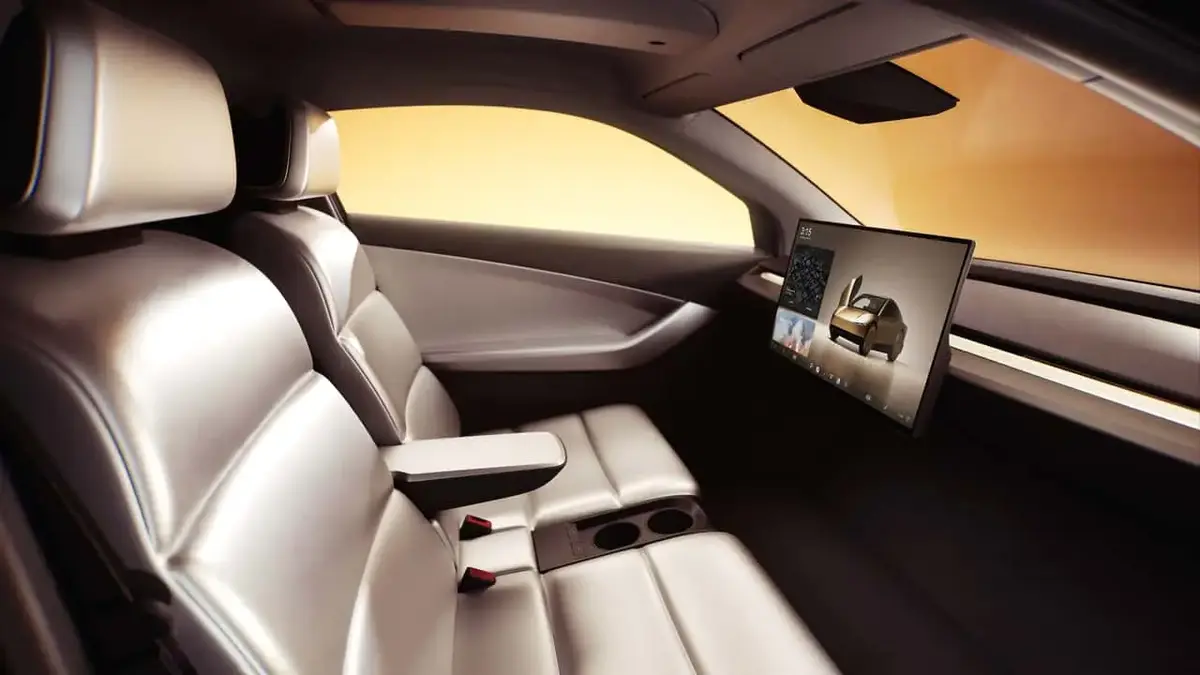
Furthermore, the delay of the unsupervised Full Self-Driving (FSD) system highlights the technical challenges remaining for the company. While owners of current Tesla models continue to utilize the “Full Self-Driving (Supervised)” feature, which requires constant driver vigilance, the transition to complete autonomy remains under development. Musk confirmed that the fully autonomous upgrade for individual owners will not arrive until at least the second quarter of the upcoming year.
As Tesla navigates these regulatory and technical landscapes, the company expects to learn valuable lessons from its initial fleet operations. The success of the Cybercab will likely depend on the company’s ability to demonstrate that its software can manage complex traffic scenarios without human intervention, effectively satisfying both federal regulators and public safety concerns.
We are curious to hear your perspective on this major shift in transportation; do you believe autonomous robotaxis will successfully replace traditional car ownership in the coming years? Please share your thoughts in the comments section below.
Your comment has been submitted,
it will be published after approval.