
EU Updates Smartwatch Battery Replacement Mandates for 2027

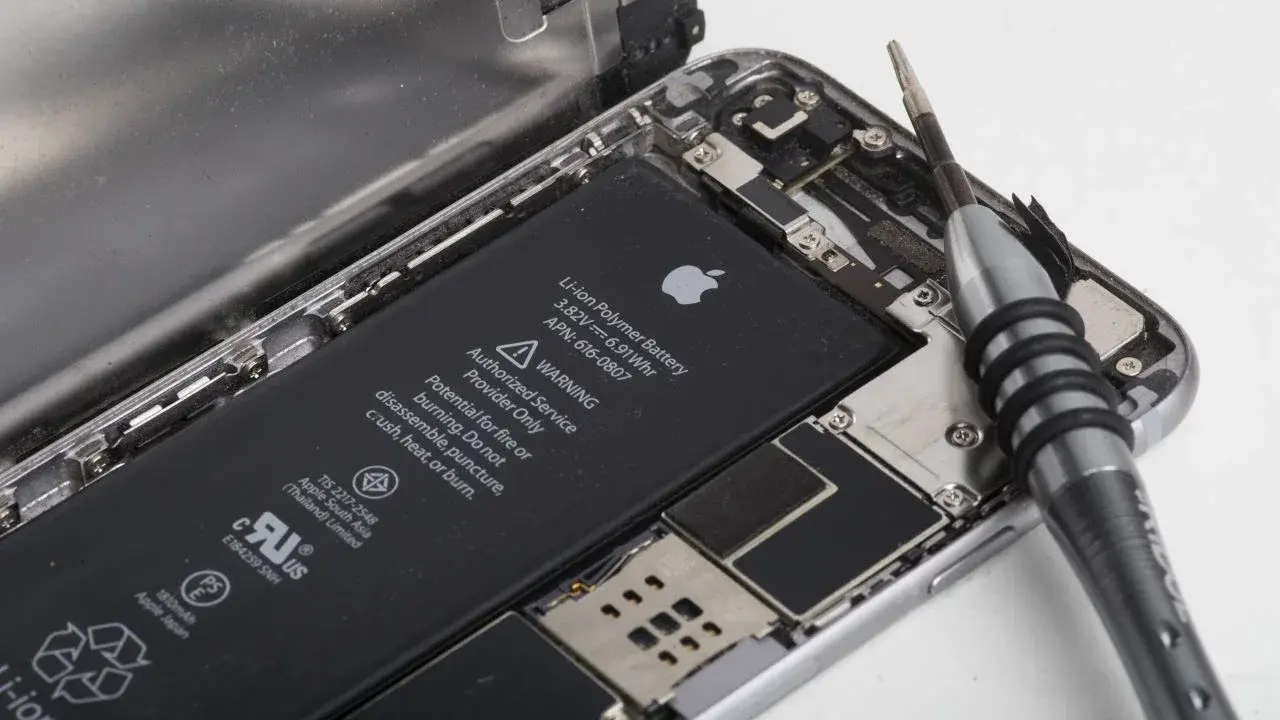
The European Commission has introduced significant exemptions to its 2023 legislation regarding mandatory user-replaceable batteries in electronic devices, specifically excluding wearable technology like smartwatches from the upcoming 2027 requirements. While the original framework aimed to reduce electronic waste and foster a circular economy under the European Green Deal, regulators have acknowledged technical constraints inherent in compact devices. This update clarifies that smartwatches, fitness trackers, and smart glasses will not be forced to undergo structural redesigns to accommodate user-accessible battery compartments, provided they meet professional repairability standards established by the union.
- The European Commission exempts wearables like smartwatches and fitness trackers from mandatory user-replaceable battery requirements.
- Professional repairability remains a requirement for many devices even when user-level replacement is not feasible.
- Smartphones remain excluded from these exemptions and must comply with the 2027 battery replacement regulations.
- The proposed amendments currently await final review by the European Parliament and the Council of the European Union.
Wearable Technologies are Exempted from Battery Mandates
The updated draft highlights that the design challenges associated with maintaining water resistance, structural integrity, and compact form factors in wearables necessitate these specific exemptions. By allowing manufacturers to bypass the user-replaceable battery mandate, the Commission hopes to ensure that critical device performance features are not compromised by bulky or accessible battery housings. In addition to smartwatches, the list of exempted items includes specialized medical equipment, portable thermometers, and high-security electronic toys designed for restricted environments. 
Wearable devices must still be serviceable by professional technicians even if they lack user-replaceable batteries.
Although wireless earbuds were not explicitly detailed in the initial exemption list, the Commission noted that they may qualify for exceptions if their design necessitates complex sealing to ensure durability and water protection. This nuance suggests a flexible approach that prioritizes long-term product viability over rigid hardware standards.
Smartphones Must Follow Stricter Regulations
Despite the concessions made for wearables, the European Union remains firm on its stance regarding mobile phones. Smartphone manufacturers are still obligated to comply with the 2027 deadline, which mandates that batteries must be replaceable without the need for proprietary tools or overly complex procedures. Existing repair programs, such as Apple’s Self Service Repair, are viewed as positive steps toward meeting these legal requirements as they provide both the necessary components and the technical documentation required for safe battery maintenance.
Stricter battery regulations for smartphones will proceed as planned by 2027 to ensure environmental sustainability.
Legislative Processes are Moving Forward
The newly proposed exemptions are currently being reviewed by the European Parliament and the Council of the European Union. If no objections are raised, the regulation will become legally binding 20 days after its publication in the Official Journal of the European Union. While the European approach seeks a unified standard, individual regions in the United States, such as California and New York, continue to pursue their own right-to-repair legislation, reflecting a growing global trend toward consumer control over electronics.
We would love to hear your thoughts on this regulatory shift. Is the ease of replacing a battery more important to you than the sleek, waterproof design of your wearable devices? Share your perspective in the comments section below.
Your comment has been submitted,
it will be published after approval.