
FNSS Surpasses 4,500 Tracked Armored Vehicle Deliveries Globally

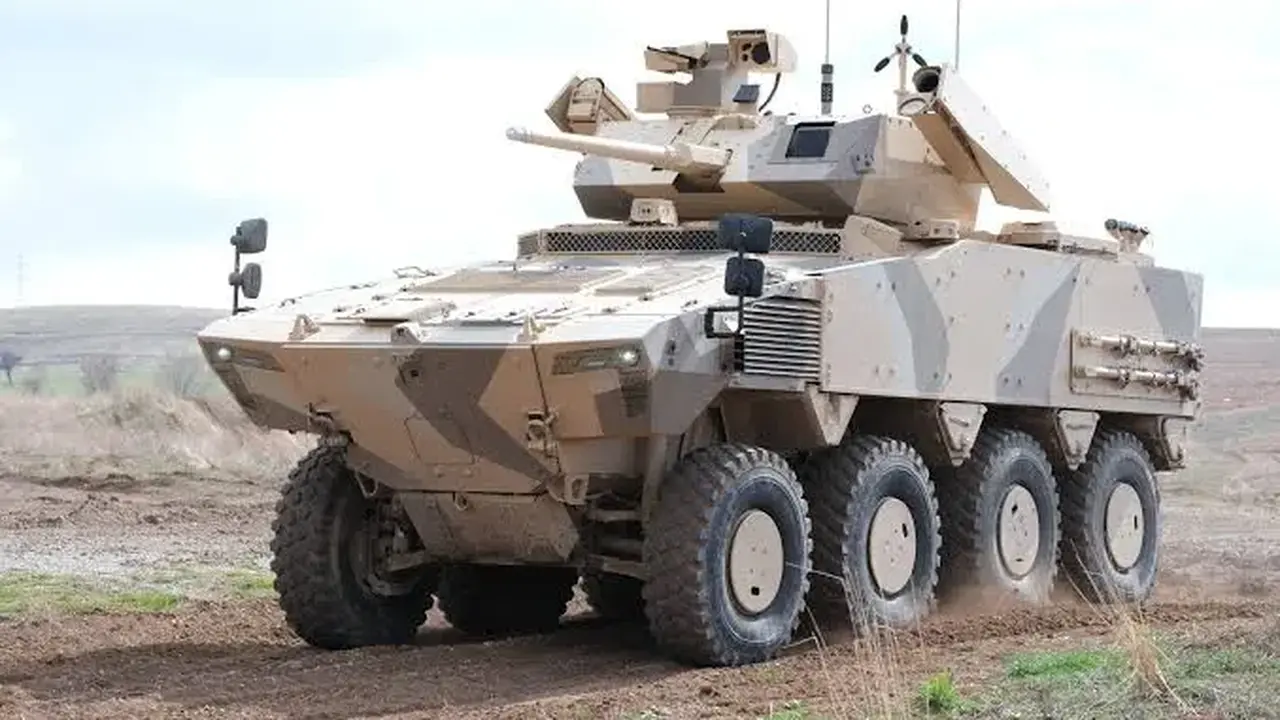
Turkish land systems manufacturer FNSS has achieved a significant milestone by delivering over 4,500 tracked armored vehicles to the Turkish Armed Forces and six allied nations. Since its inception in 1989, the company has transformed its defense capabilities, evolving from its initial ZMA-15 production to a diverse portfolio that now includes medium-class tanks, amphibious assault vehicles, and unmanned land systems. By integrating over 35 years of engineering expertise with local production and technology transfer initiatives, FNSS continues to modernize military fleets while advancing its research into next-generation propulsion technologies to meet complex operational requirements worldwide.
- FNSS has successfully supplied more than 4,500 tracked armored vehicles to domestic and international inventories.
- The company maintains active defense industry partnerships with six countries, including Malaysia, Indonesia, and the Philippines.
- Recent engineering efforts focus on hybrid propulsion systems and autonomous land vehicle platforms.
- Modernization programs extend the operational lifespan and technical capabilities of legacy armored vehicle fleets.
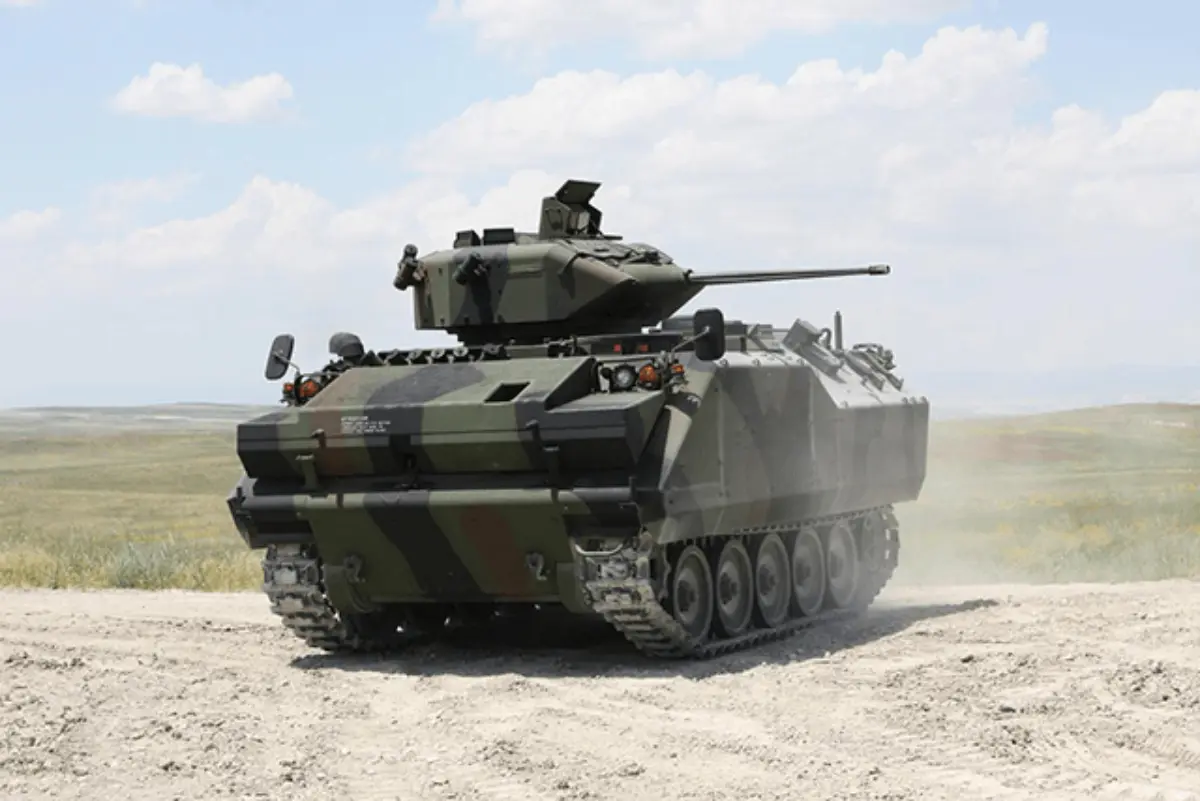
Production Legacy Evolves from ZMA-15 to KAPLAN MT
The operational history of FNSS began with the production of ZMA-15 vehicles, which served as the cornerstone for the company’s subsequent growth. Starting in the 1990s, the company manufactured over 2,200 armored combat vehicles for the Turkish military, achieving high rates of local content in its initial phases. These platforms, designed to provide infantry units with mobile armored protection, remain a vital component of modern battlefield operations.
Over the decades, the product range expanded significantly to include specialized platforms such as the KAPLAN-10 weapon carrier, the KUNDUZ armored engineer vehicle, and the ZAHA amphibious assault vehicle. This continuous development cycle ensures that the company remains responsive to the changing tactical needs of modern ground forces.
Export Operations Reach Six International Markets
Beyond domestic borders, FNSS has established a strong presence in the global defense market. The company exports and co-produces vehicles for nations including the United Arab Emirates, Malaysia, Saudi Arabia, Bahrain, the Philippines, and Indonesia. A landmark 1997 export deal with the UAE marked a turning point for the Turkish defense industry, while the ADNAN project in Malaysia saw over 250 units integrated into the local inventory.
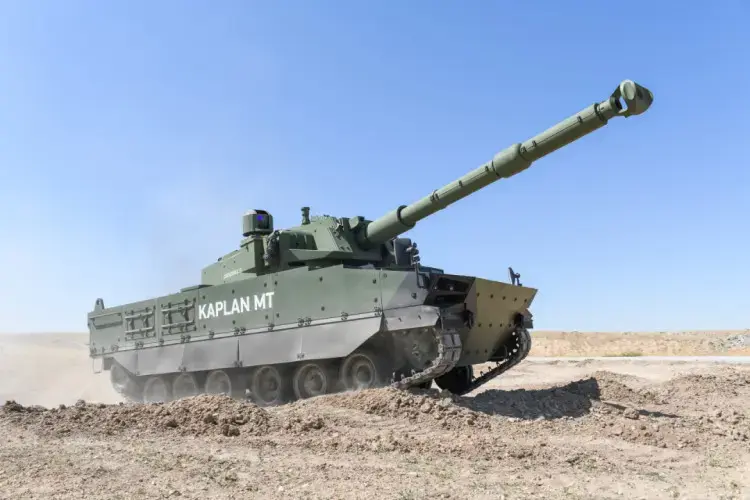
Collaborations such as the KAPLAN MT program in Indonesia exemplify the company’s commitment to technology sharing and joint industrial development. These long-term partnerships prioritize comprehensive support, including integrated logistics, spare parts supply, and continuous technical maintenance to ensure sustained operational readiness.
KAPLAN Platform Provides Diverse Tactical Solutions
The KAPLAN family serves as a versatile foundation for various tracked combat vehicles, ranging from weapon carriers to medium-class tanks. Through collaborations with international firms, such as the agreement with CSG Defence for the KARPAT tank in Europe, FNSS continues to scale its production capabilities and expand its reach into new geographical territories.
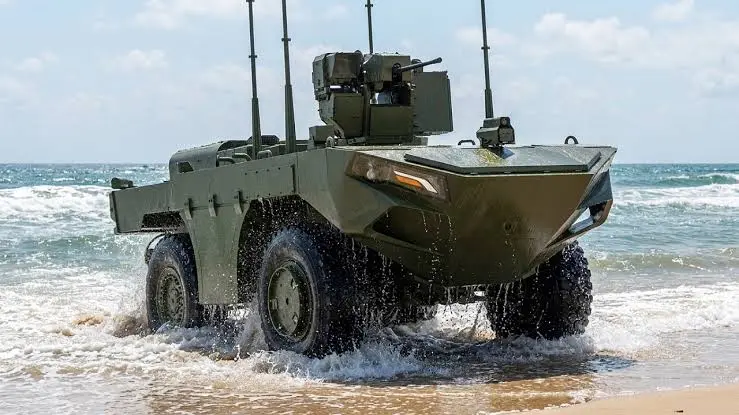
Specialized Vehicles Support Amphibious and Engineering Missions
The company also develops specialized hardware, such as the ZAHA amphibious assault vehicle, which facilitates ship-to-shore personnel movement for the Turkish Navy. Furthermore, the KUNDUZ armored engineer vehicle provides essential support in challenging terrains, such as river crossings and coastal zones, proving the company’s ability to engineer mission-specific solutions for diverse environments.
Autonomous Systems and Hybrid Technology Drive Innovation
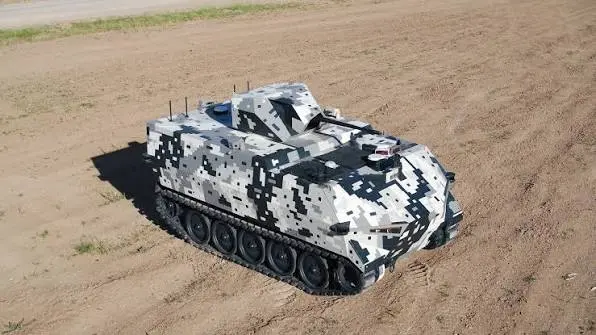
FNSS is currently advancing its capabilities in autonomous systems through the Gölge Süvari project, which explores heavy-class unmanned ground vehicle concepts. Additionally, the company is testing diesel-electric hybrid power groups that offer silent movement, energy efficiency, and reduced logistical footprints. These technologies, applicable to vehicles weighing up to 40 tons, represent the next phase of armored vehicle evolution, emphasizing both performance and environmental adaptability.
How do you foresee the integration of unmanned and hybrid technologies shaping the future of armored ground warfare? Share your thoughts on these advancements in the comments section below.
Your comment has been submitted,
it will be published after approval.