
Full List of Apple Devices Supporting New Siri AI

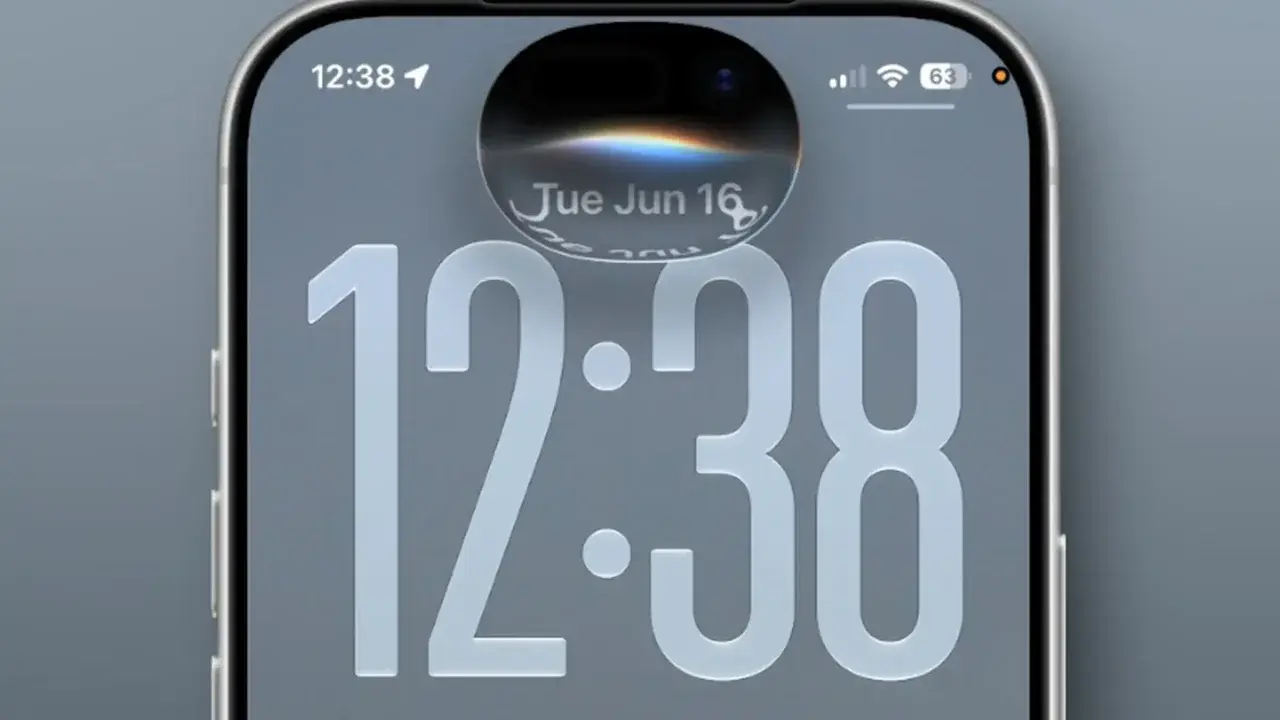
Apple has officially announced the upcoming release of Siri AI, a major artificial intelligence integration arriving with the iOS 27 and macOS Golden Gate updates this autumn. This transformative update aims to redefine user interaction across the entire Apple ecosystem by leveraging advanced machine learning capabilities. While the technology promises to enhance productivity and voice responsiveness, Apple has implemented strict hardware prerequisites for compatibility. Consequently, only users with specific, modern hardware will be eligible to access these new features when the software officially rolls out to the general public in the coming months.
- Siri AI will debut as part of the iOS 27 and macOS Golden Gate software updates this fall.
- Compatibility is limited to specific hardware configurations including recent iPhone, iPad, and Mac models.
- Advanced voice personalization features are restricted to devices with superior processing power and higher unified memory.
Apple Devices Support the New Siri AI
The lineup for the upcoming Siri AI includes a broad range of recent mobile hardware. For the iPhone series, support extends to the iPhone 17 family, encompassing the Pro, Pro Max, Air, and 17e models. Additionally, the iPhone 16 series, including the 16 Plus and 16e, alongside the iPhone 15 Pro and Pro Max, are included in the support list. 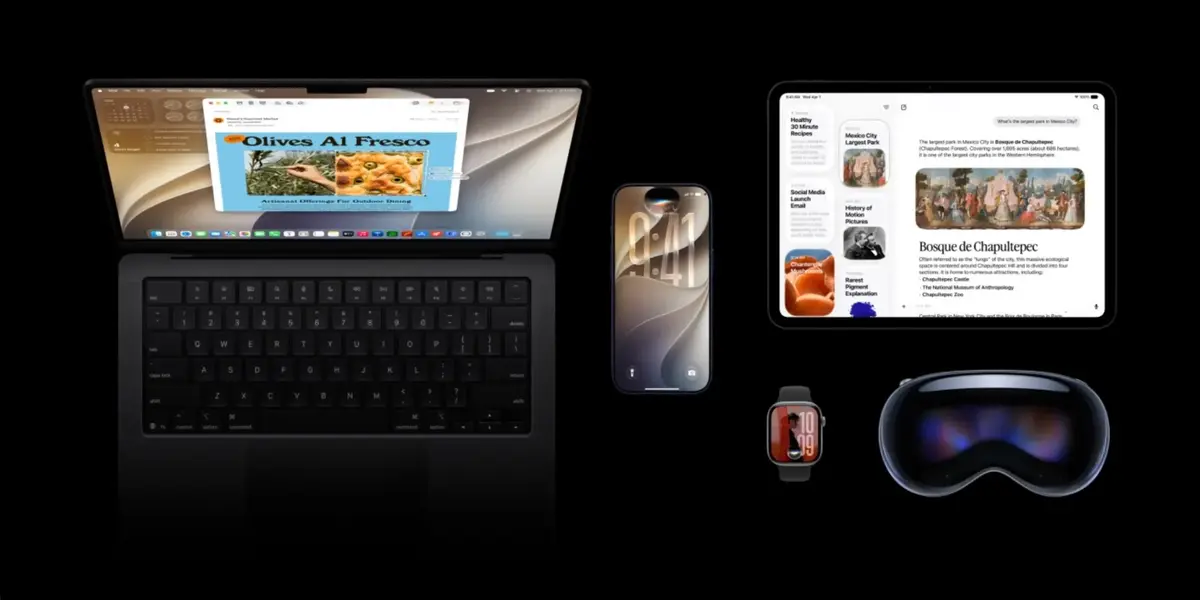 In the tablet category, the update covers iPad Pro and iPad Air models equipped with the M1 chip or newer, as well as the iPad mini featuring the A17 Pro processor.
Mac users will find that all computers powered by Apple Silicon, starting from the M1 chip and continuing through to the latest releases, are compatible with the new system. Regarding wearable technology, the Apple Watch Series 9 and newer, Ultra 2 and later versions, and the SE 3 are eligible when paired with a compatible iPhone. Furthermore, all iterations of the Apple Vision Pro are confirmed to support the full suite of new Siri capabilities.
Future releases such as the iPhone 18 Pro and the rumored iPhone Ultra are expected to arrive with native Siri AI integration from day one.
Hardware Requirements Limit Advanced Features
Although a wide array of devices will receive basic Siri AI functionality, Apple has reserved specific advanced capabilities for its most powerful hardware. Features such as granular voice tone customization and nuanced expressive delivery require the processing capabilities found in the iPhone 17 Pro, Pro Max, and the new iPhone Air models. These high-end specifications ensure that the most resource-intensive AI models run locally on the device without latency.
Similarly, iPad users must possess models featuring the M4 chip or newer, combined with at least 12GB of unified memory, to access these elite customization tools. Mac users are subject to identical restrictions, requiring at least an M3 processor and 12GB of memory. The Apple Vision Pro, specifically the M5-equipped model, also falls into this category for premium AI performance. These hardware limitations suggest that Apple is prioritizing on-device processing to maintain privacy and speed, effectively drawing a clear line between standard and advanced user experiences.
We are curious to hear your perspective on these hardware-specific limitations; please share in the comments whether the arrival of Siri AI provides enough incentive for you to upgrade your current device.
Your comment has been submitted,
it will be published after approval.