
Global Market Share of Gasoline Vehicles Falls Below 50 Percent

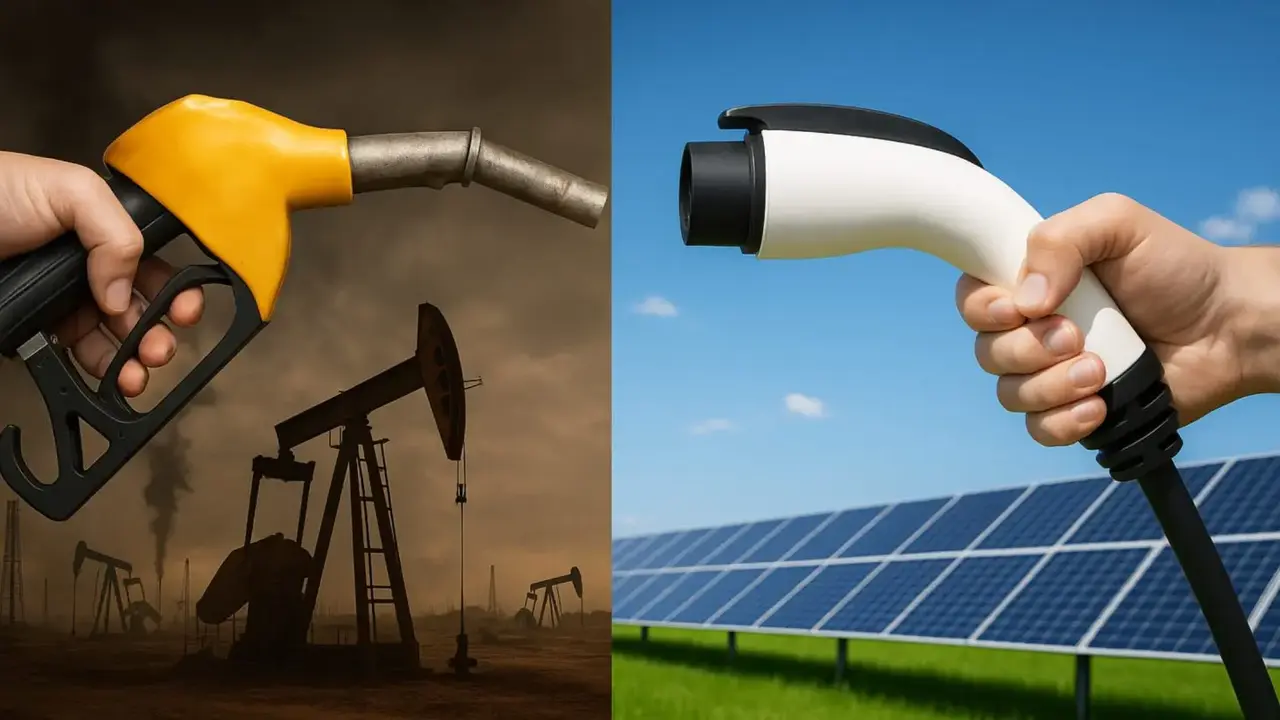
In a historic turning point for the global automotive industry, the market share of traditional internal combustion engine vehicles fueled solely by gasoline dropped below the 50 percent threshold for the first time in the first half of 2026. According to industry data, these vehicles now account for 49 percent of total global sales, marking a significant decline from the 73 percent share held as recently as 2021. This transition reflects a rapid shift in consumer preferences and regulatory landscapes, as drivers increasingly move toward more efficient and electrified transport options amidst fluctuating fuel costs and global economic pressures.
- Gasoline-only vehicle sales declined by 10 percent year-over-year to 20.25 million units during the first half of 2026.
- Hybrid electric vehicles outperformed battery-powered cars in total sales volume, securing an 18 percent market share.
- China experienced the most significant drop in gasoline vehicle demand with a 26 percent decrease in sales.
- Roughly 83 percent of new cars sold globally still rely on internal combustion engines despite the rise of electric alternatives.
Traditional Gasoline Vehicles Experience Declining Popularity
Data provided by Mobility Global highlights the acceleration of this automotive transformation. While the total global car market contracted by approximately 5 percent during the first six months of the year, the decline in pure gasoline vehicle sales was twice as steep. This downward trend is largely driven by geopolitical instability and unpredictable oil prices, which have prompted consumers to prioritize long-term operational savings over traditional vehicle ownership models. As manufacturers pivot their production lines, the dominance of the conventional engine is being challenged by a diversified array of powertrain technologies.
Hybrid and Electric Models Expand Their Presence
Although the decline of gasoline-powered cars is significant, the shift toward zero-emission mobility is nuanced. Battery Electric Vehicles (BEVs) saw a 12 percent growth in the first half of the year, capturing a 17 percent market share. However, traditional hybrid electric vehicles (HEVs) are currently enjoying even stronger momentum, achieving a 10 percent growth rate and securing 18 percent of the market. This indicates that while consumers are moving away from pure gasoline engines, many are still opting for transitional technologies that combine fuel efficiency with the convenience of traditional refueling infrastructure.
Regional Markets Accelerate the Shift Toward Electrification
The pace of this transition varies significantly across different regions of the world. China remains at the forefront of this change, recording a substantial 26 percent drop in gasoline vehicle sales. Similarly, the European market has seen a 13 percent decline, with data from the European Automobile Manufacturers’ Association confirming that electric vehicle registrations in the EU have now surpassed those of gasoline models. Meanwhile, Southeast Asia and Oceania are witnessing explosive growth in electric vehicle demand, with sales in the latter region more than doubling within the last year.
While North American growth has slowed slightly due to the phasing out of specific government incentives, analysts suggest that the trend toward electrification is irreversible. As battery production costs continue to fall and charging infrastructure improves, the reliance on internal combustion engines is expected to diminish further. The industry is currently in a state of flux, balancing current consumer reliance on hybrid systems with the long-term goal of total carbon neutrality.
Do you believe traditional gasoline vehicles will be completely phased out of the market sooner than predicted, or will hybrid technology remain the dominant choice for the foreseeable future? Share your thoughts and predictions in the comments section below.
Your comment has been submitted,
it will be published after approval.