
Global Memory Prices Are Expected to Remain High Until 2028

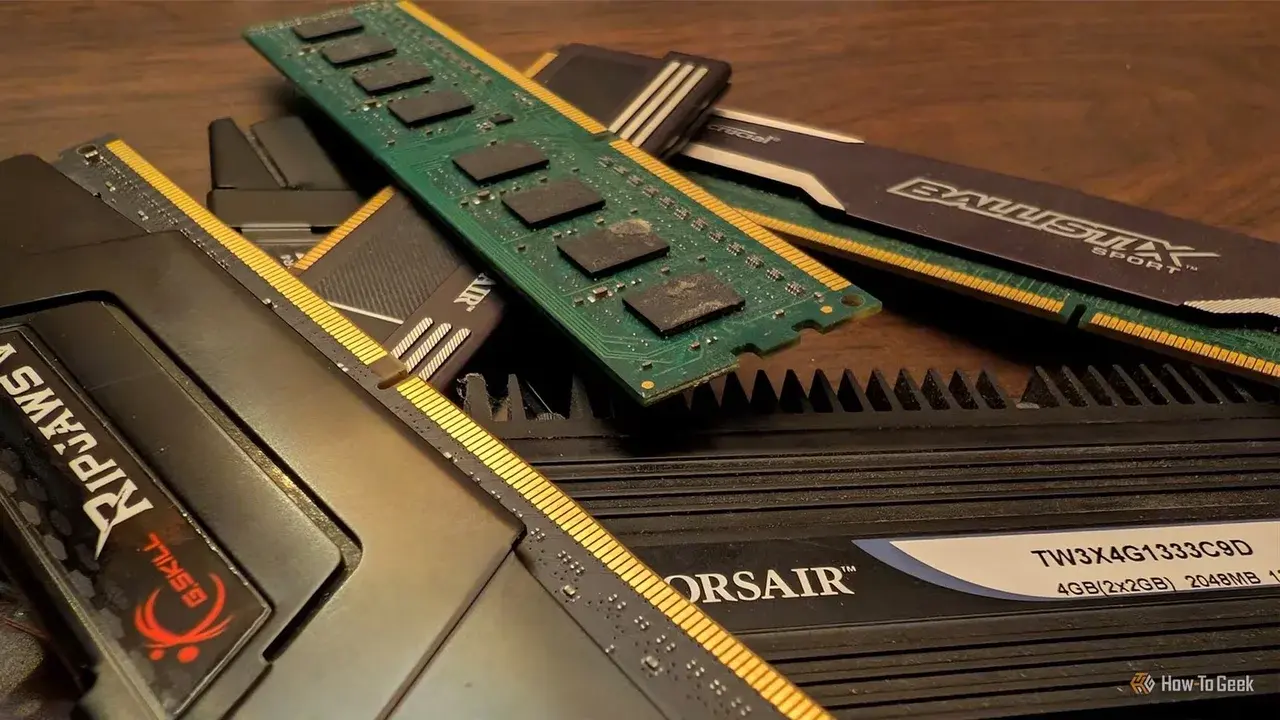
A recent industry report by Jefferies highlights that global memory prices are poised to remain elevated for the foreseeable future, driven primarily by intense demand for artificial intelligence-focused data center infrastructure. According to the analysis, the upward trend in memory chip costs will persist throughout the second half of 2026 and continue to impact the market well into 2027. This sustained pricing pressure is affecting the entire technology landscape, creating significant cost challenges for manufacturers of consumer electronics, high-performance servers, and advanced artificial intelligence hardware worldwide.
- Memory chip prices are projected to rise by up to 50 percent during the second half of 2026.
- The market will likely maintain high price levels throughout the entirety of 2027 due to ongoing supply-demand imbalances.
- Significant relief in the average selling price of memory components is not anticipated until 2028.
Rising Costs Will Define the Market Through 2027
The latest projections indicate that the industry is bracing for consecutive quarters of steep price hikes. Specifically, the third quarter of 2026 is expected to witness an increase in global memory pricing between 40 and 50 percent compared to the previous period. This momentum is anticipated to continue into the final quarter of the year, with further price surges estimated in the 30 to 40 percent range. 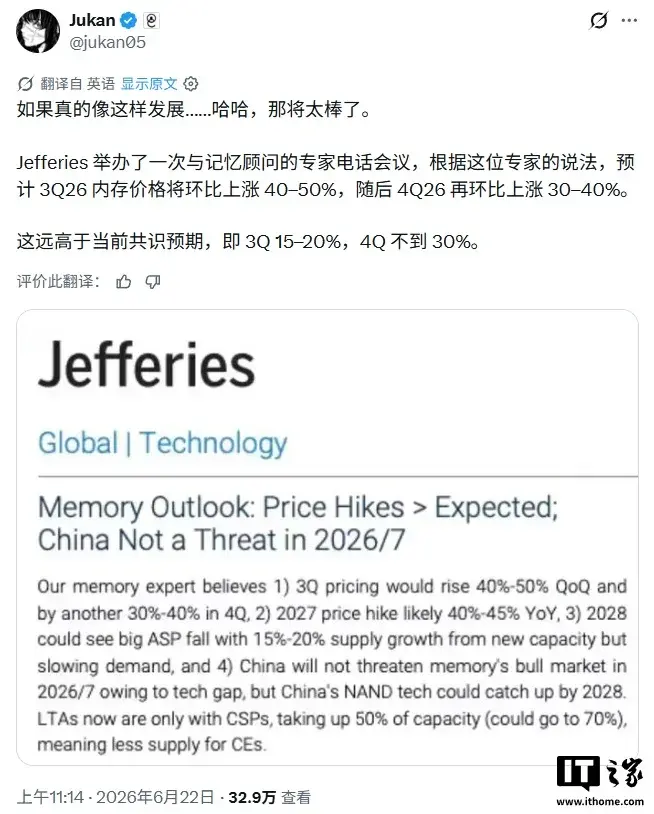
These forecasts extend beyond a single calendar year, suggesting that 2027 will also be characterized by premium pricing. On average, memory costs throughout 2027 are predicted to be 40 to 45 percent higher than the levels observed in 2026. This long-term trend implies that the financial pressure on hardware production budgets will not subside in the near term.
The era of low-cost memory chips appears to have reached a definitive conclusion for the next several years.
Market Relief Will Likely Arrive in 2028
As stakeholders seek clarity on when market conditions might stabilize, the Jefferies report points toward 2028 as the potential turning point for the sector. As semiconductor manufacturers bring new production capacities online and strengthen the global supply chain, the industry may finally see a correction in pricing. Analysts suggest that the average selling price of memory chips could experience a decline of 15 to 20 percent once this supply-side expansion materializes.
These findings align with broader projections shared by other industry analysts, reinforcing the consensus that a quick return to inexpensive memory is highly improbable. The persistent need for high-bandwidth memory, specifically tailored for AI servers, combined with the steady demand for standard DRAM, ensures that market equilibrium remains skewed toward higher price points for the foreseeable future.
The current hardware landscape is heavily dictated by the insatiable requirements of the data center industry, which consumes a vast share of the global chip output. As long as artificial intelligence investment remains a top priority for global corporations, the supply of memory will likely remain tight, keeping costs at their current elevated levels until the infrastructure catches up.
Given these projections, do you believe that current hardware costs will fundamentally shift how consumers purchase new devices in the coming years? Share your insights and predictions in the comments section below.
Your comment has been submitted,
it will be published after approval.