
Google Chrome Officially Arrives on Arm64 Linux Devices

Google has officially expanded the reach of its flagship browser by introducing native support for Arm64 Linux architecture, a move that significantly benefits users of devices like the Raspberry Pi. While the company initially signaled that this transition would occur by the second quarter of 2026, the software has unexpectedly appeared in Google’s official repositories for both Debian and RPM-based distributions. This development allows users on Arm64 platforms to access the full Chrome experience directly, bypassing the need for third-party workarounds that previously hampered performance on these systems.
- Google has deployed native Arm64 builds of Chrome for Debian and RPM-based Linux distributions.
- The new release enables integrated Google account synchronization for bookmarks, passwords, and extensions.
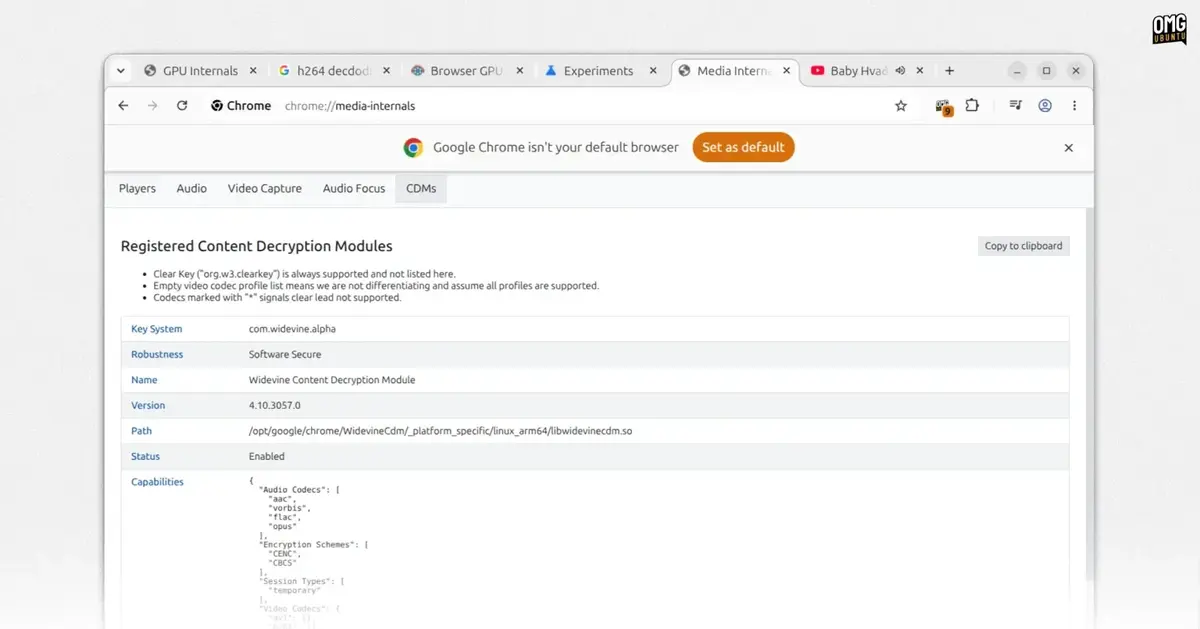
- Built-in Widevine DRM support eliminates the requirement for complex third-party compatibility scripts.
- Performance metrics indicate smooth playback of high-bitrate content on hardware like the Raspberry Pi 5.
Google Chrome Brings Enhanced Features to Arm64 Platforms
The arrival of this native version marks a major upgrade for Linux enthusiasts who rely on Arm64 hardware. Unlike previous Chromium-based alternatives often found in Linux repositories, this official build includes seamless synchronization with Google accounts. Users can now sign in to their browsers to access their existing ecosystem of bookmarks, saved passwords, and extensions without manual configuration.
Native integration of the aarch64-compatible Widevine DRM module ensures a smoother media consumption experience for Linux users.
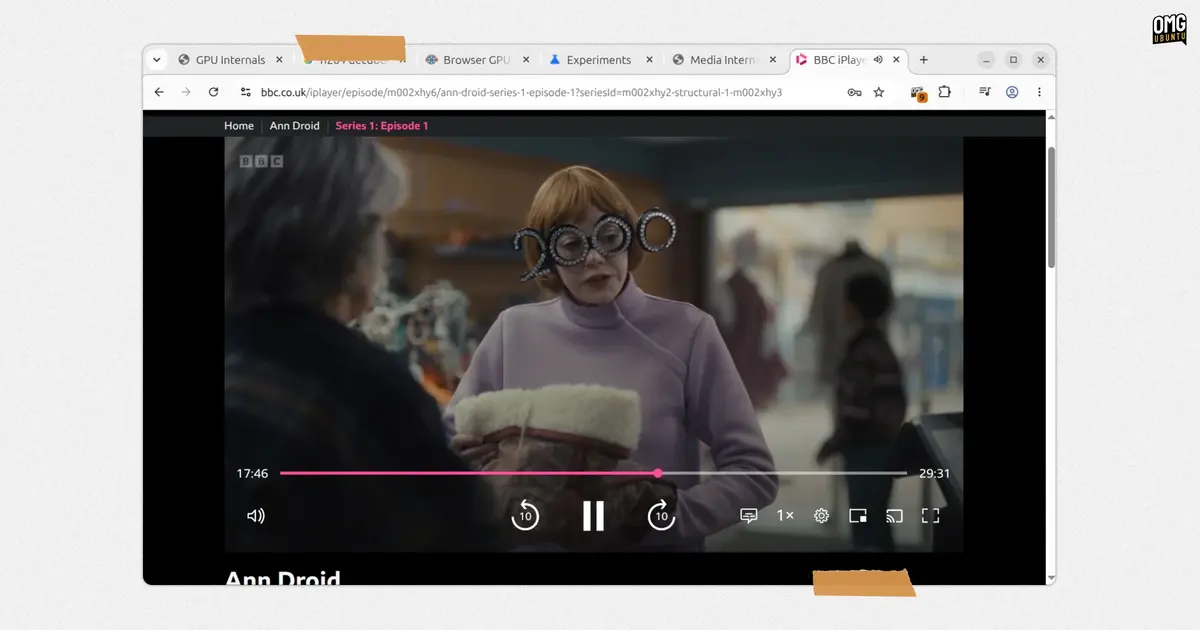
By incorporating the DRM module directly into the browser architecture, Google has removed the reliance on cumbersome compatibility layers that frequently caused stability issues. While software-based DRM limitations still prevent 4K or HDR streaming on platforms such as Netflix, the browser excels in other areas. Specifically, the software demonstrates impressive performance when streaming YouTube content at 1080p and 2K resolutions, particularly on the Raspberry Pi 5.
Performance Gains Outperform Existing Browser Solutions
Initial testing indicates a noticeable improvement in high-bitrate streaming performance. When compared to browsers like Firefox, which often struggle with frame drops during intensive media playback, Google Chrome manages these loads with greater efficiency. This makes the browser a viable candidate for users who utilize their Arm64 devices as dedicated media centers or lightweight desktop workstations.
Official Support Remains in the Early Stages
Despite the availability of these packages, Google has yet to publish an official announcement or update its support documentation to reflect this change. Because the release is still in its infancy, users may encounter stability hurdles as the company works to refine the build for daily operation. It is widely expected that Google will issue a formal statement and provide direct links on their download page in the coming weeks as they finalize the deployment process.
The lack of official documentation suggests that this release is currently intended for early adopters and power users.
We are eager to hear your thoughts on this long-awaited update; do you believe native Chrome support will finally turn the Raspberry Pi into a primary desktop machine for everyday tasks? Share your experiences and setup details in the comments section below.
Your comment has been submitted,
it will be published after approval.