
GPU Prices Surge Amidst DRAM Cost Increases in China

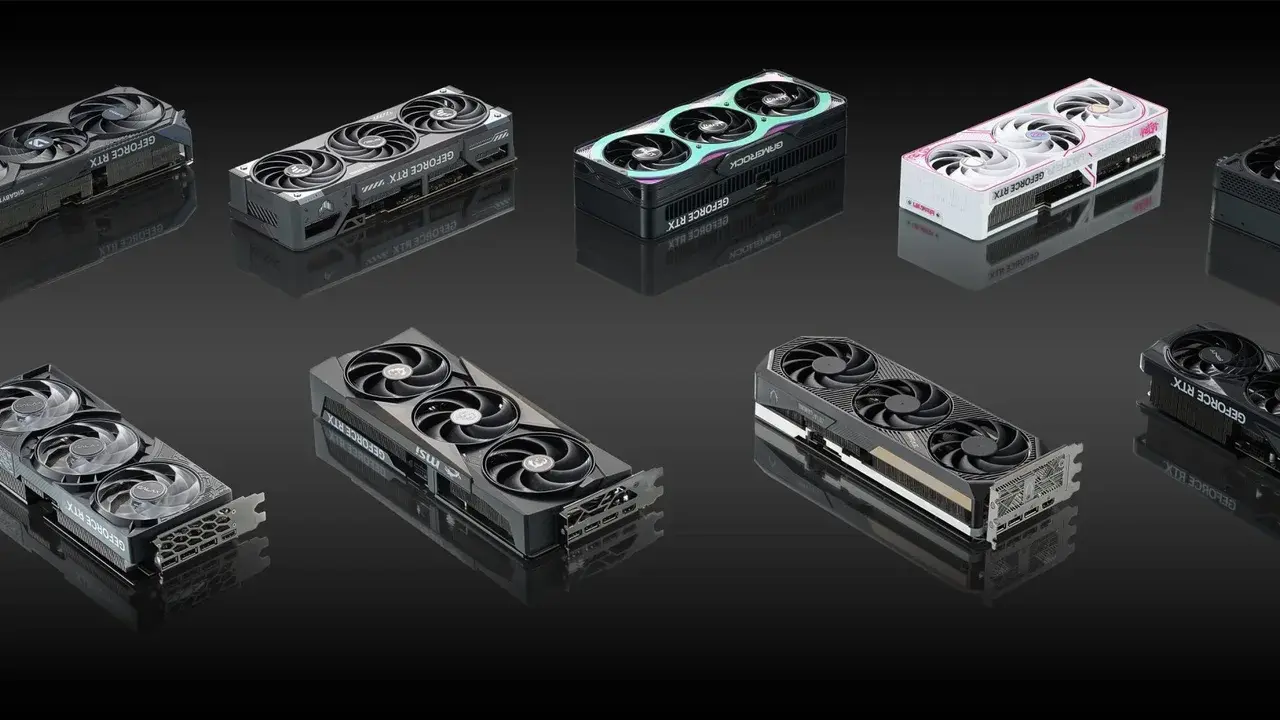
The graphics card market in China is currently facing a significant wave of price hikes, driven by surging costs in GDDR6 and GDDR7 memory technologies. Both NVIDIA and AMD GPUs are witnessing sharp retail price adjustments as manufacturers struggle to absorb a tenfold increase in DRAM production expenses. This inflationary pressure has rippled across the supply chain, impacting everything from the latest flagship models to legacy hardware. As retailers and distributors recalibrate their pricing structures, consumers are finding themselves confronted with substantially higher costs for essential PC gaming and workstation components.
- Retail prices for NVIDIA and AMD graphics cards are climbing due to the dramatic escalation of DRAM production costs.
- Major manufacturers including Colorful and MSI have adjusted distribution prices by margins ranging from 10 to 50 percent.
- Analytical projections suggest that DRAM cost pressures will persist through 2026, potentially impacting global PC shipment volumes.
Price Shocks Are Affecting All GPU Generations
The impact of this semiconductor supply crisis is not limited to the latest releases. The NVIDIA RTX 5090D 32 GB has seen a 22.5 percent price increase, while the RTX 5080 has breached the 1,500 USD threshold. Entry-level models, such as the RTX 5060 and RTX 5050, have also experienced hikes of 15 percent and 13.2 percent, respectively. 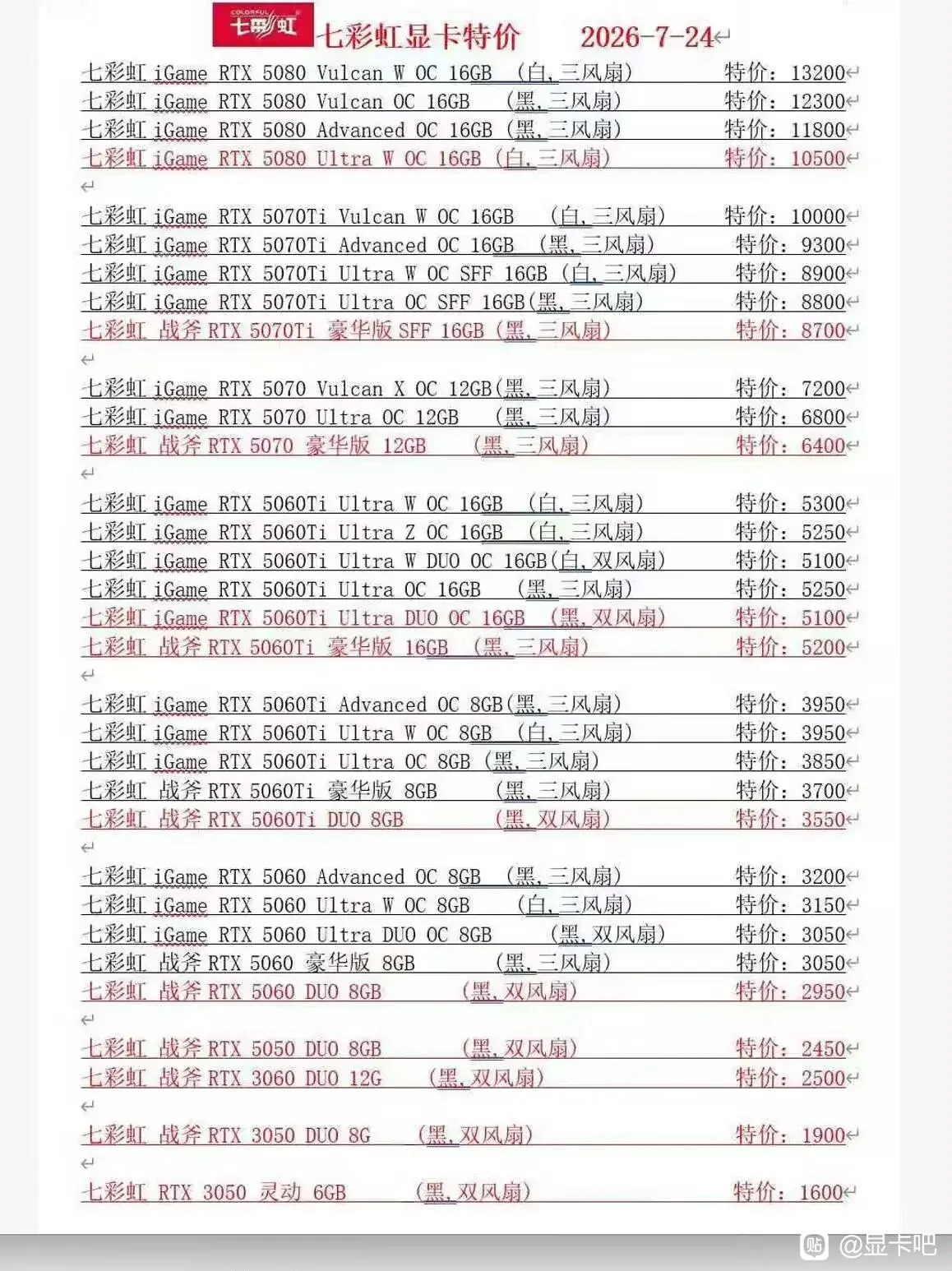 AMD Radeon series cards are reporting even steeper increases, with some models seeing adjustments between 14.3 and 28.8 percent.
Even budget-friendly legacy hardware like the RTX 3050 and GT 1030 are no longer immune to these volatile market shifts.
Manufacturers Are Adjusting Official Distribution Costs
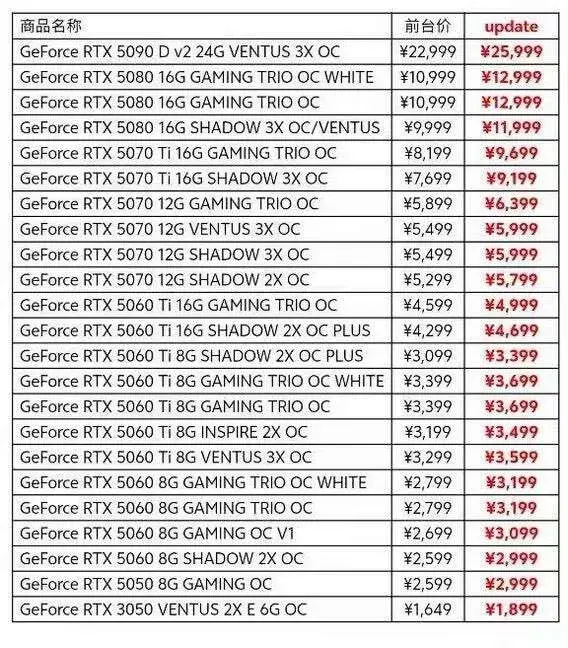 Major brands like Colorful and MSI have updated their official distributor pricing to reflect the underlying memory cost crisis. These adjustments have caused significant friction in the retail sector, as businesses attempt to navigate the instability of the current market.
 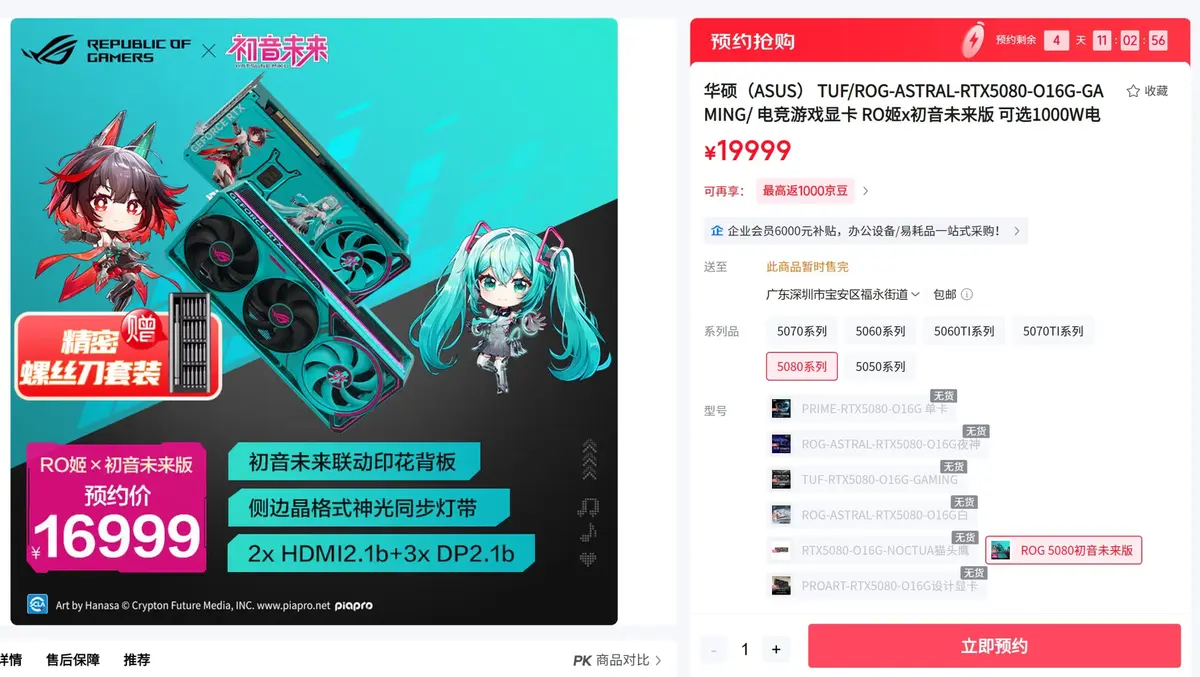 Retailers are reportedly holding back inventory to mitigate risks, while industry experts advise consumers to finalize hardware purchases sooner rather than later to avoid further price volatility.
Market Stagnation Concerns Are Growing Rapidly
Rumors regarding artificial scarcity have emerged as some retailers pull products from shelves to recalibrate daily pricing. 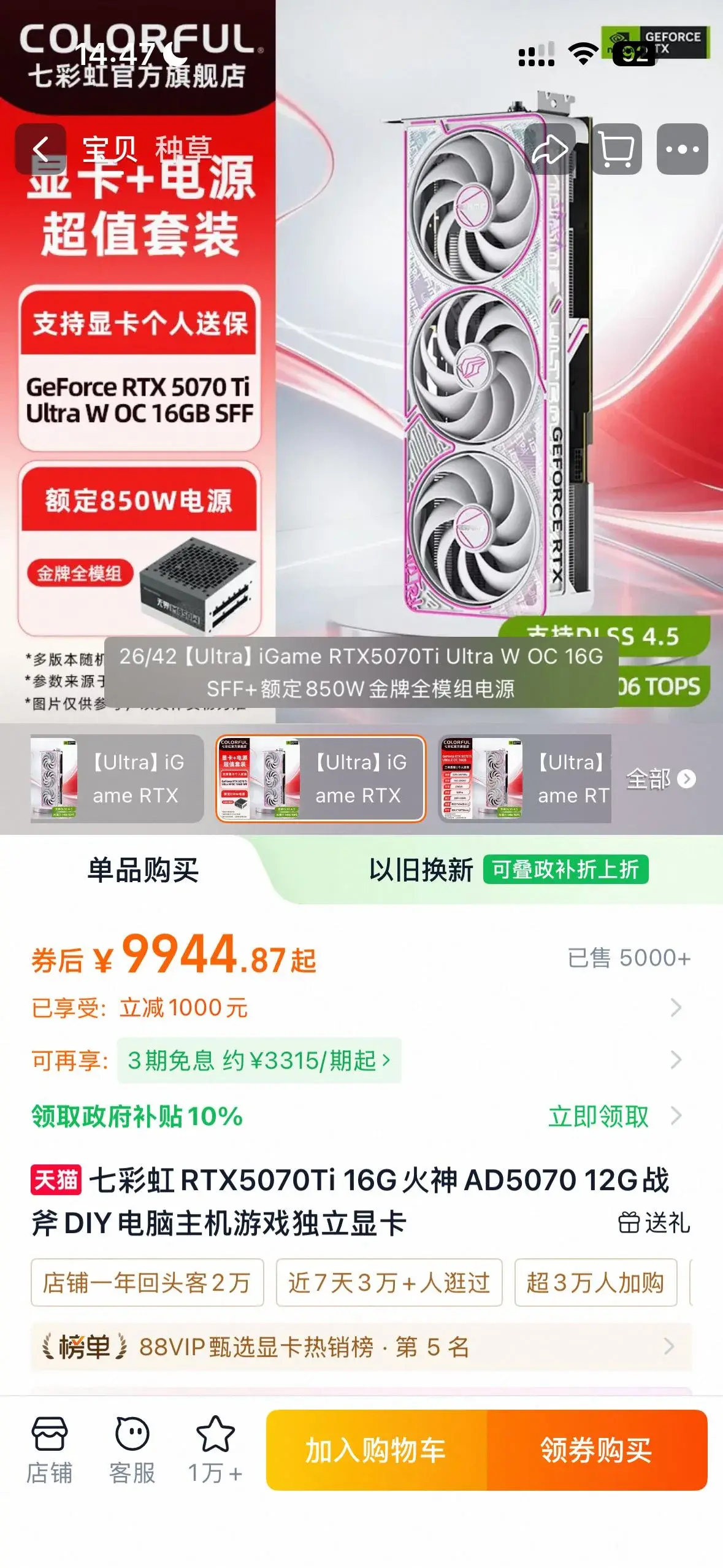 Analytical data indicates that DRAM costs are expected to climb by 50 percent in the third quarter of 2026 and another 40 percent in the final quarter. This long-term trend threatens to suppress global demand for high-end PCs and could lead to a sustained contraction in the hardware market.
 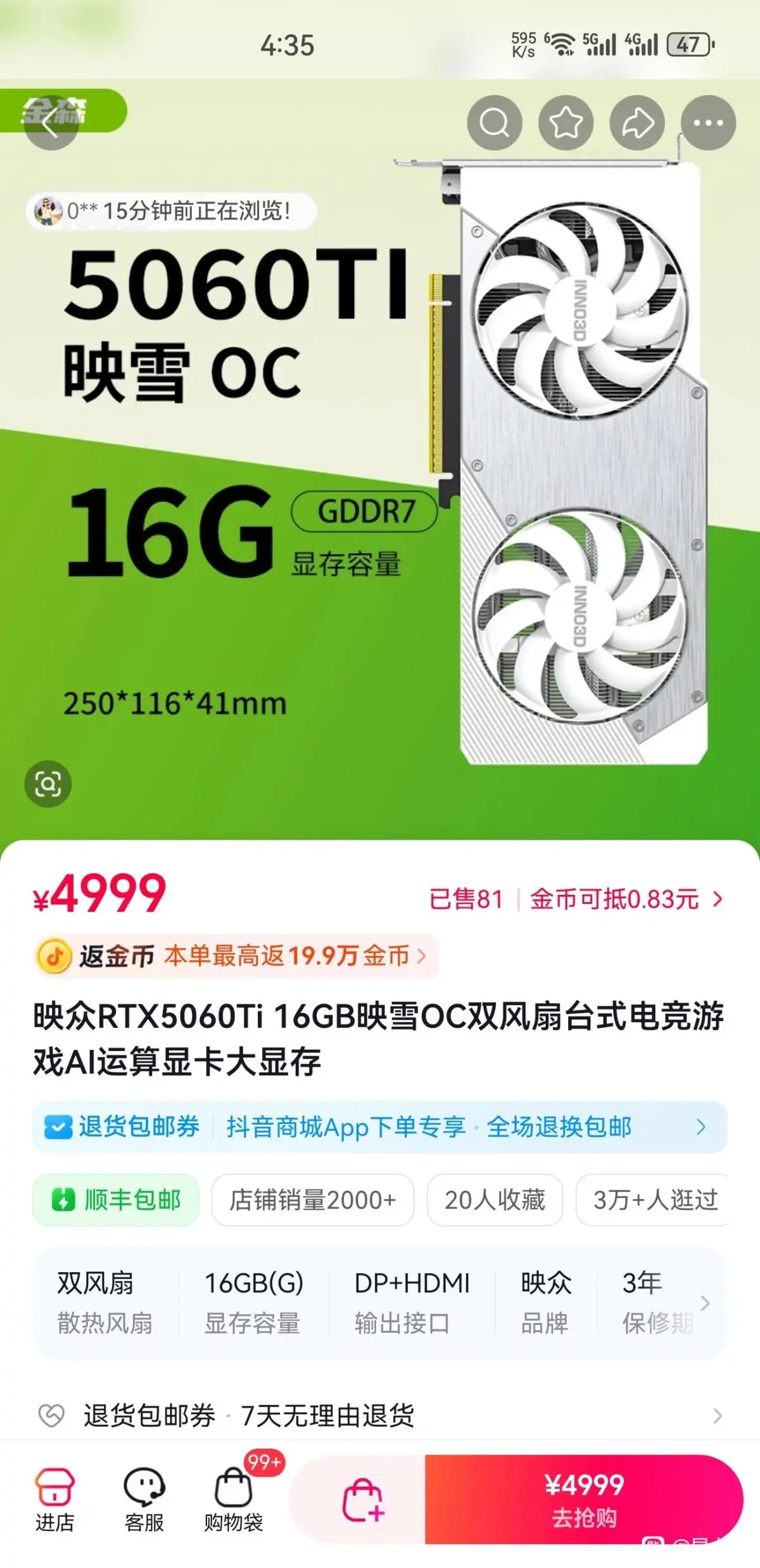 Recent notifications from NVIDIA to Chinese manufacturers confirm specific cost surcharges of up to 1,200 RMB for 16 GB memory configurations, highlighting the severity of the supply chain strain.
How do you believe these drastic fluctuations in hardware pricing will influence the future of the PC building community, and have you already adjusted your upgrade plans accordingly?
Your comment has been submitted,
it will be published after approval.