
Hideo Kojima Expresses Deep Concern Over the Future of Physical Games

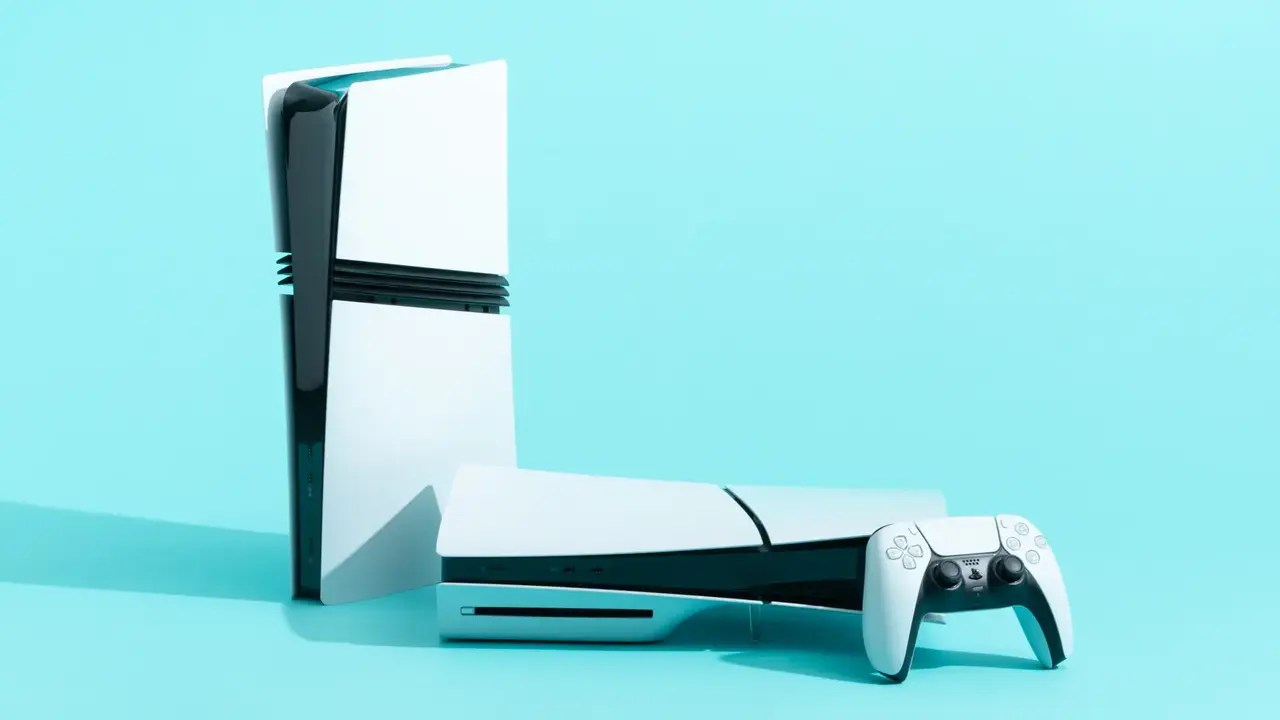
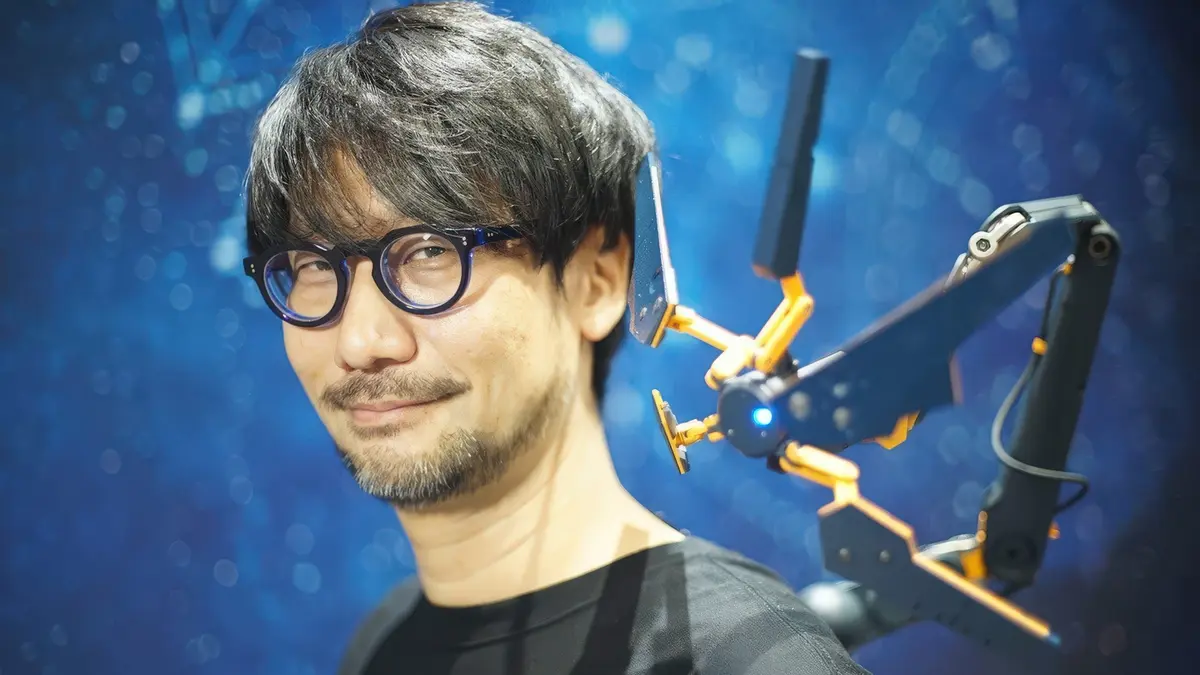
Legendary game developer and Death Stranding creator Hideo Kojima has officially voiced his growing apprehension regarding the industry-wide shift away from physical gaming media. As major publishers and hardware manufacturers like PlayStation and Xbox increasingly prioritize digital distribution, Kojima warns that the decline of disc-based gaming threatens the very foundation of ownership in the digital age. Speaking on the implications of this transition, the developer emphasized that the tangible security provided by physical copies is rapidly vanishing. This evolution in the gaming sector raises fundamental questions about whether players truly own their libraries or are merely licensing content that can be revoked at any time.
- Hideo Kojima openly criticizes the industry strategy of phasing out physical game discs to favor digital-only ecosystems.
- The rise of digital platforms creates significant legal uncertainty regarding long-term user ownership rights.
- The extinction of physical media poses a substantial risk to game preservation efforts and collector archives.
The Gaming Industry Accelerates Its Digital Transformation
In recent years, the gaming industry has aggressively pivoted toward digital storefronts, leaving physical retail behind. Console manufacturers have bolstered this trend by releasing hardware iterations, such as disc-less versions of current consoles, which restrict users to digital downloads. While companies frame this move as a leap toward convenience, critics like Kojima suggest that this convenience comes at a heavy cost to the consumer’s authority over their purchased goods.
The disappearance of physical discs may relegate games to nothing more than temporary licenses in a digital landscape.
When a user buys a digital title, they are often purchasing a service-based license rather than a permanent asset. This distinction is critical because it allows publishers to remove titles from storefronts or shut down servers without notice. Consequently, players may find their expensive collections inaccessible, highlighting the fragility of digital-only ownership models.
The Concept of Ownership Evolves Into Something Fragile
In the past, a physical copy of a game served as a permanent record of one’s collection, playable regardless of server status or connectivity. Today, however, the reliance on cloud-based authentication and digital-only distribution creates a dangerous gap in game preservation. Kojima argues that without physical carriers, the cultural history of gaming becomes vulnerable to corporate decisions. Future generations risk losing access to past masterpieces if those games exist only on servers that might eventually cease to operate.
Digital Platforms Face Increasing Pressure from Consumers
As the industry moves forward, the lack of ownership remains a primary concern for the gaming community. Many players argue that physical media serves as the last bastion of true control, offering a way to bypass restrictive digital storefronts and ensure longevity for their software. Kojima’s stance echoes the sentiments of countless enthusiasts who fear that the total loss of physical media will permanently change the nature of gaming for the worse.
The digitalization of the gaming world severely compromises the permanent ownership rights of players over their purchased software.
Do you prefer the convenience of digital libraries, or do you believe that physical discs are essential for preserving the future of gaming? Share your thoughts on how the loss of physical media will impact the industry in the comments section below.
Your comment has been submitted,
it will be published after approval.