
Hisense A10 Ultra Debuts With Detachable Secondary Display

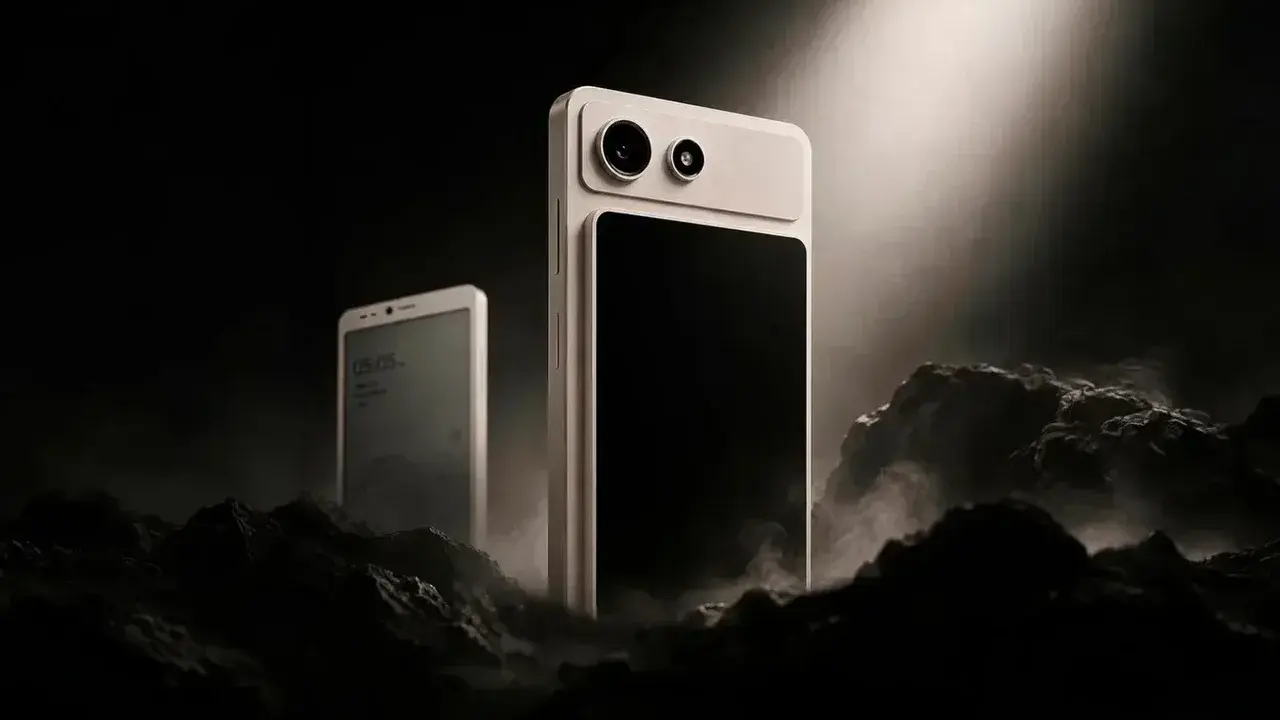
The innovative Hisense A10 Ultra has officially launched in the Chinese market, introducing a unique hardware design that features a detachable secondary display. By combining a primary E Ink front panel with an optional, magnetically attached color LCD, the device bridges the gap between dedicated e-readers and conventional smartphones. This dual-screen configuration allows users to prioritize power efficiency for text-heavy tasks while maintaining the ability to switch to a vibrant color interface for multimedia consumption. The rollout includes both the standard A10 Pro and the flagship A10 Ultra, catering to users who demand both high-performance productivity and prolonged battery life in a single mobile device.
- The Hisense A10 Ultra utilizes a 6.13-inch E Ink Carta 1300 front display that offers a 300 PPI pixel density for optimal reading comfort.
- Users can magnetically attach a 4.96-inch color LCD panel to the rear of the device to facilitate video playback and gaming.
- The handset is powered by the Qualcomm Dragonwing Q-6690 processor and runs on the Android 16 operating system.
- Pricing for the A10 Ultra starts at 3,199 yuan for the 8GB RAM and 128GB storage configuration.
E Ink and LCD Displays Work Together
The primary screen of the Hisense A10 Ultra is a 6.13-inch E Ink Carta 1300 panel, which operates at a resolution of 1,648 x 824 pixels. This technology is engineered for maximum energy efficiency, making it the ideal solution for reading documents or browsing text-based content under direct sunlight. To ensure versatility across different environments, the display includes 36 levels of brightness and color temperature adjustments, providing a comfortable visual experience during late-night use or bright daylight.
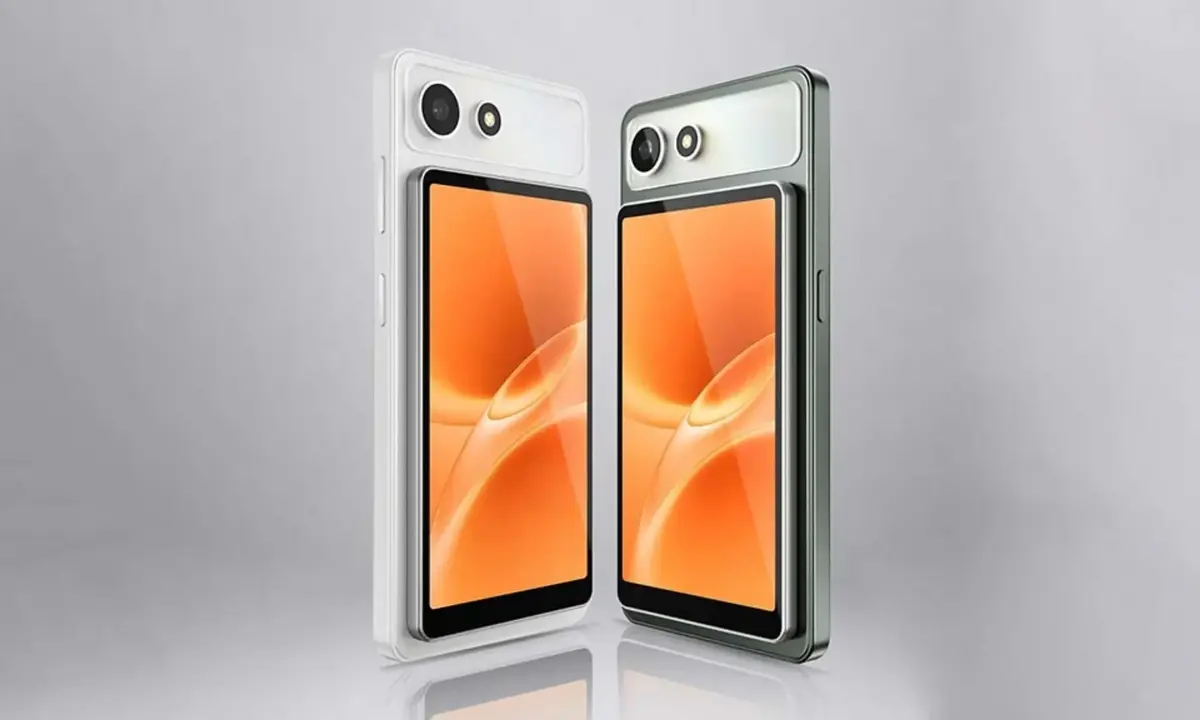
When the user requires a traditional smartphone experience, the 4.96-inch color LCD module can be snapped onto the back of the phone. This secondary screen handles tasks that are typically challenging for E Ink displays, such as high-frame-rate animations, high-definition video streaming, and mobile gaming. When the secondary display is detached, the magnetic interface remains functional, allowing for the attachment of various specialized charging accessories or protective covers.
Technical Specifications Provide Modern Performance
Under the hood, the Hisense A10 Ultra is equipped with the Qualcomm Dragonwing Q-6690 chipset, ensuring smooth operation across its dual-screen setup. The internal 4,000 mAh battery supports both 18W wired charging and 15W wireless charging, providing sufficient power for extended daily usage. The camera system features a 48-megapixel main sensor on the back and an 8-megapixel front-facing lens for photography and video conferencing.
Connectivity options are robust, featuring NFC, Wi-Fi 6, and an infrared blaster to control home electronics. Because the device operates on Android 16 with full Google Play Store integration, users retain access to the complete ecosystem of mobile applications. While the A10 Pro model is offered as a more streamlined version without the secondary LCD, the A10 Ultra remains the flagship choice for those who utilize the detachable hardware feature.
Pricing Details Confirm Market Positioning
Hisense has set a competitive pricing strategy for the new lineup in China. The A10 Pro starts at 2,799 yuan, while the A10 Ultra commands a premium due to its advanced modular capabilities. The 8GB/128GB version of the A10 Ultra is priced at 3,199 yuan, and the top-tier 12GB/512GB model is available for 3,899 yuan. At this time, the manufacturer has not provided information regarding a potential international release for these devices.
We are curious to know your perspective on this modular design. Do you believe that a detachable secondary screen offers a genuine advantage for your daily mobile habits, or do you prefer the simplicity of a standard smartphone design? Share your thoughts in the comments section below.
Your comment has been submitted,
it will be published after approval.