
HONOR Robot Phone Disrupts Global Smartphone Industry Standards

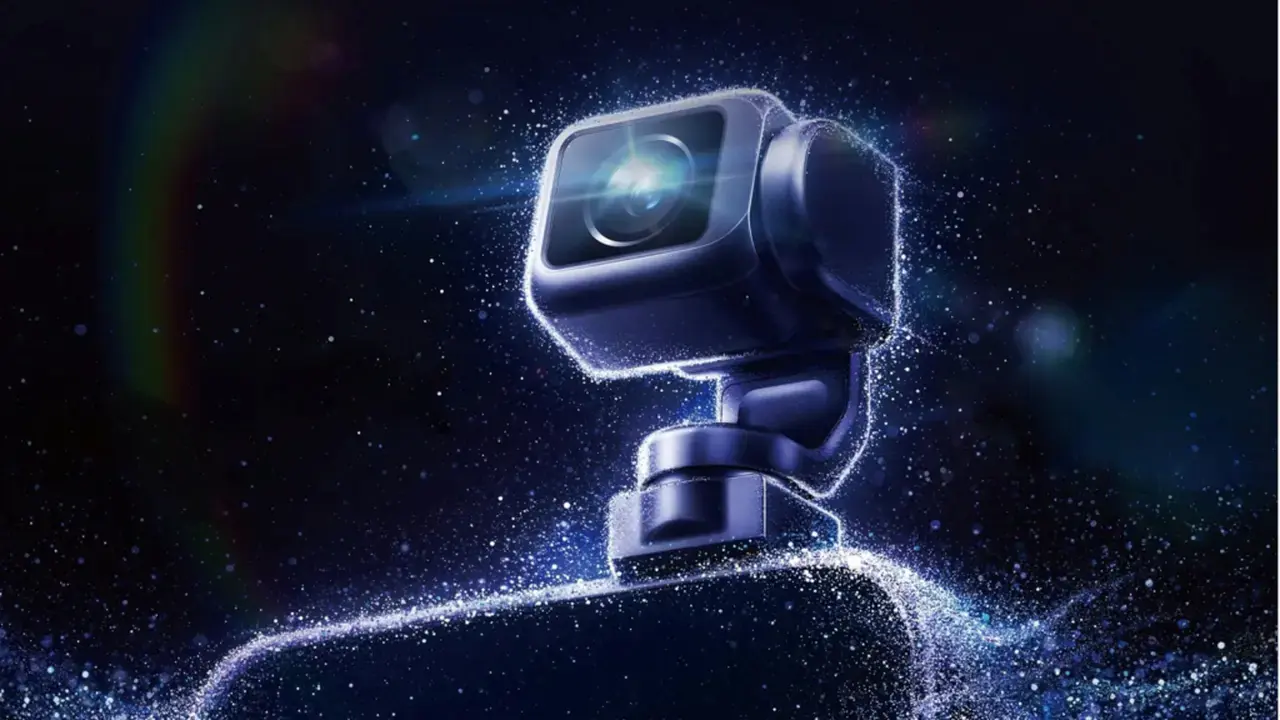
HONOR has officially unveiled its groundbreaking HONOR Robot Phone during a global event held today, marking a significant shift in mobile device architecture. By integrating robotic movement capabilities with advanced artificial intelligence, the company aims to move beyond traditional, static phone designs toward a more interactive user experience. The global launch, which began at 14:00 local time and was broadcast via HONOR’s official YouTube channel, highlights the device’s unique ability to bridge the gap between smartphones and physical robotics. This innovation represents a major milestone for the brand as it seeks to redefine how consumers interact with their mobile technology on a daily basis.
- The HONOR Robot Phone features a specialized gimbal mechanism that allows the device to track subjects automatically.
- The hardware is powered by the Qualcomm Snapdragon 8 Elite processor alongside three proprietary chips for signal, power, and image processing.
- The camera system incorporates professional-grade technology developed through a partnership with the German cinema firm ARRI.
Smartphone Architecture Incorporates Robotic Movement
The standout feature of the HONOR Robot Phone is its unconventional chassis, which houses a sophisticated gimbal system driven by micro-motors. This mechanical integration enables the device to track faces or specific objects in real-time, providing a level of fluidity previously unseen in standard smartphones. Furthermore, the AI assistant utilizes these physical movements to communicate with the user, such as tilting the camera to provide non-verbal feedback like “yes” or “no” motions.
This device effectively transforms the smartphone from a passive tool into an active, responsive companion.
Beyond its physical movement, the internal architecture is built for peak performance. Under the hood, the device utilizes the Snapdragon 8 Elite chipset, supplemented by three HONOR-designed auxiliary processors. These include the C1 chip for radio frequency management, the E2 chip for power optimization, and the H1 chip dedicated to processing the data from the motorized camera system.
Professional Imaging Standards Define Hardware Capabilities
The camera setup on the HONOR Robot Phone is engineered to rival professional equipment. It features a 200 MP main sensor with a 4D micro-motor gimbal, ensuring that shots remain steady even during high-motion scenarios. A second 200 MP periscope lens provides 2.7x optical zoom, while a 50 MP ultra-wide sensor handles expansive shots. The collaboration with ARRI introduces cinema-grade color profiles and Log-C support, allowing users to capture footage with a professional aesthetic directly from their pockets.
The integration of a 6,000 mAh battery ensures that these power-intensive features remain operational throughout the day, balancing high-performance hardware with long-lasting energy capacity.
New Interaction Trends Emerge in Mobile Technology
The introduction of the HONOR Robot Phone signifies a broader trend where mobile devices are expected to offer more than just raw processing power. By focusing on physical mobility and enhanced AI interaction, HONOR is positioning itself to lead the market in creating devices that assist users in more tactile, intuitive ways. This approach offers significant potential for content creators and individuals with limited mobility who require more adaptive hardware.
The industry is currently witnessing a paradigm shift in how we define the utility of a mobile device.
As the device transitions from the development lab to the global consumer market, its impact on mobile photography and daily AI interaction will become clearer. Further details regarding specific market availability and regional pricing strategies were provided during the live presentation, confirming HONOR’s commitment to pushing the boundaries of what is possible in the current mobile landscape.
We are eager to hear your thoughts on this bold move by HONOR; do you believe robotic movement in smartphones is the future of mobile interaction, or is it a passing trend? Share your opinions in the comments section below.
Your comment has been submitted,
it will be published after approval.