
How Hybrid Work Teams Stay Synchronized with Digital Offices

In the modern business landscape, the hybrid work model has transitioned from a temporary trend into a permanent operational standard for global organizations. Balancing the organic interaction of physical offices with the flexibility of remote operations has become a critical challenge for management teams. When employees are dispersed across various locations, maintaining a consistent pace and alignment with organizational goals requires a structured approach. Without centralized systems, reliance on scattered messaging tools and fragmented cloud storage leads to operational chaos, where teams struggle to track project stages, file versions, and approval histories. Mastering the hybrid work model necessitates a shift toward unified digital office strategies to ensure long-term productivity and team cohesion.
- Adopting asynchronous communication protocols increases deep work capacity by minimizing unnecessary meeting interruptions.
- Centralizing project management tasks into a single interface improves transparency and accountability across distributed teams.
- Consolidating operational tools into one digital platform reduces the cognitive load caused by switching between multiple software applications.
Fragmented communication channels inevitably lead to lower productivity and professional misalignment within teams.
Asynchronous Communication Methods Solve Scattered Workflow Issues
The most effective strategy for synchronizing remote teams involves standardizing an asynchronous communication culture. By moving away from the anxiety of being constantly available, employees can leverage digital task-based platforms to manage their workloads more effectively. This approach not only preserves periods of deep, uninterrupted work but also eliminates the need for excessive, unproductive status meetings. When project management processes are transparent and accessible, every team member understands their responsibilities, current task completion percentages, and critical deadlines without needing constant manual updates from leadership.
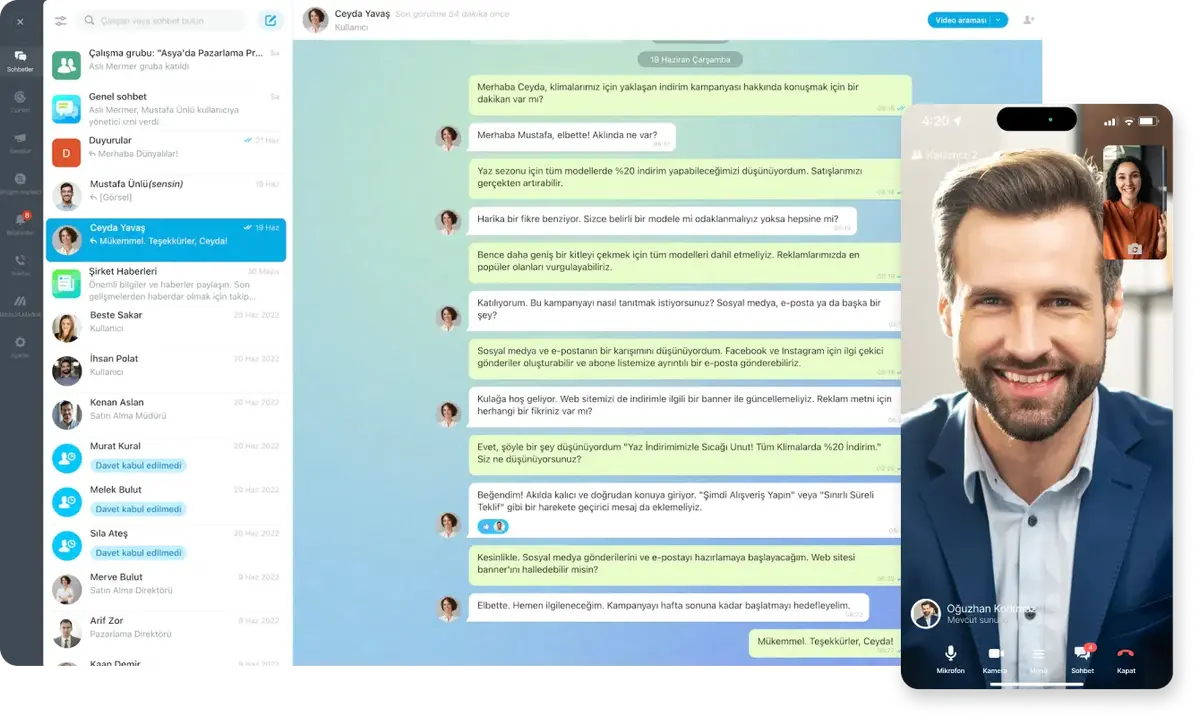
Centralized digital dashboards serve as the primary source of truth for project progression and team accountability.
Meeting Fatigue is Reduced Through Strategic Planning
Many organizations mistakenly attempt to bridge the physical gap in hybrid settings by overloading calendars with constant video conferences. However, treating meetings as the default method for information sharing frequently acts as a productivity killer, preventing staff from focusing on high-value tasks. Organizations should reserve live meetings strictly for complex problem-solving, strategic decision-making, and creative brainstorming sessions. Routine updates can be handled more efficiently through emails, recorded video messages, or shared status boards. This shift protects employee energy levels while ensuring that information remains fluid and accessible to all stakeholders at their convenience.
Teams Align Under a Single Digital Office Structure
The ultimate success of a hybrid organization depends on migrating processes into a cohesive digital office environment. Constantly switching between disparate software tools creates mental fatigue and increases the likelihood of human error. Integrated platforms like Bitrix24 allow teams to unify file sharing, internal messaging, task tracking, and CRM processes within a single interface. By consolidating these functions, companies ensure that data remains secure and accessible from any location. Ultimately, technology serves as a facilitator, but the real achievement lies in fostering a culture where transparency and centralized digital spaces allow for seamless collaboration regardless of physical distance.
How does your organization handle the challenge of maintaining team alignment in a remote or hybrid environment? We invite you to share your experiences and strategies in the comments section below.
Your comment has been submitted,
it will be published after approval.