
How to Replace Non-Standard APP Plates Correctly


Vehicle owners currently using non-standard license plates, commonly referred to as APP plates, are under increasing pressure to comply with official traffic regulations. These plates, which feature modified fonts and designs, have become a focal point for traffic authorities due to their impact on readability and safety. If you are operating a vehicle with an APP plate, it is essential to understand that these modifications are unauthorized and can lead to significant financial penalties during police inspections. To ensure full compliance with legal standards, owners must replace these custom plates with official, state-issued versions through authorized channels as soon as possible.
- Non-standard license plates like APP versions are illegal and subject to traffic fines.
- Official plates must be obtained solely through authorized printing facilities to ensure legal compliance.
- Readability of the registration number remains a primary safety requirement for all motor vehicles.
What Defines an APP License Plate?
An APP plate is characterized by its non-standard font, size, or styling, which deviates from the official specifications set by traffic authorities. While many vehicle owners adopt these designs for aesthetic reasons to make their cars stand out, these modifications directly interfere with the ability of speed cameras and traffic enforcement systems to accurately read and record registration information. Because these plates do not meet the legal requirements for visibility and standard formatting, they are classified as illegal, exposing the owner to recurring penalties.
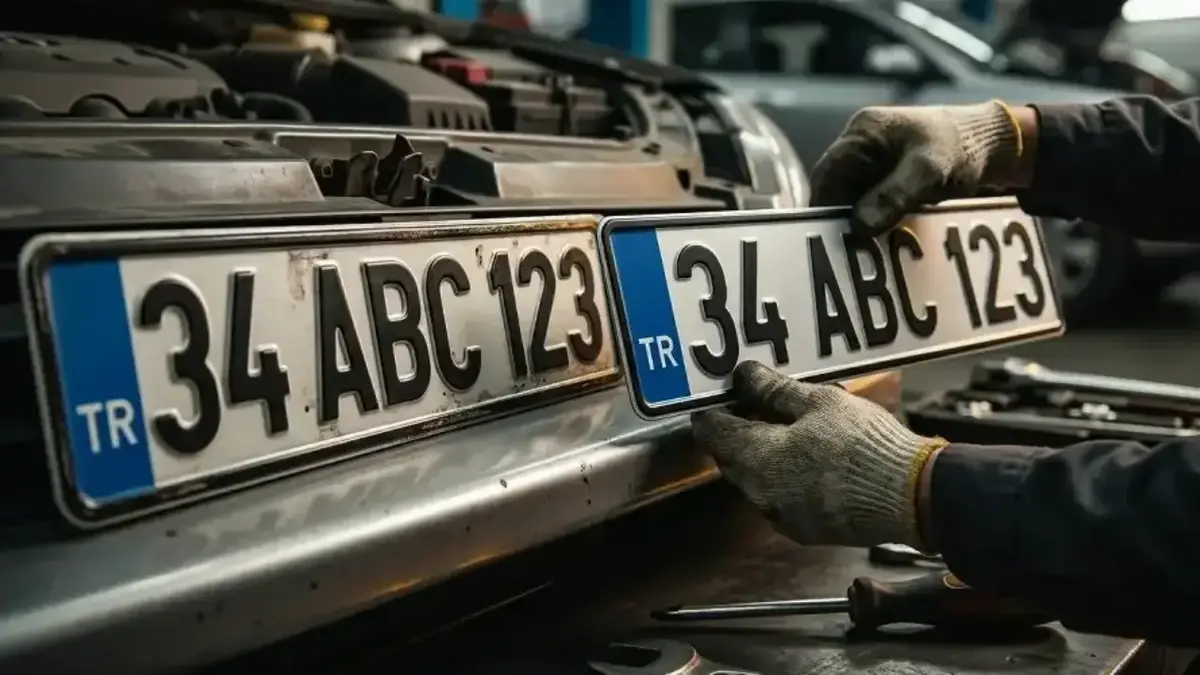
How the Plate Replacement Process is Executed?
Replacing an unauthorized plate involves a systematic procedure designed to restore the vehicle to legal status. The process begins with an official application to the relevant traffic registration authorities. Once the application is submitted and vehicle documentation is verified, the owner must visit an authorized license plate manufacturing facility. It is important to note that third-party accessory shops or sign makers cannot produce legal, government-sanctioned license plates. After receiving the new, standard-compliant plate, the owner is responsible for removing the old APP plate and properly mounting the new one on the vehicle.
Where the Replacement Must be Completed?
A common mistake among drivers is attempting to purchase replacement plates from private, unauthorized vendors. These plates do not contain the necessary official security features and are not recognized by the authorities as valid. Consequently, even if a driver pays for a replacement, they remain liable for fines if the plate was not produced by an official, state-authorized printing point. To avoid legal complications, drivers must verify that the service provider has the necessary credentials to issue official vehicle identification tags.
Why Using APP Plates is Considered Illegal?
The prohibition of APP plates is not merely a bureaucratic preference but a measure aimed at ensuring road safety and efficient traffic monitoring. Any license plate that is not manufactured according to official standards is considered a violation of traffic laws. Drivers who continue to use these modified plates risk being pulled over at any time, potentially resulting in vehicle impoundment or heavy fines. Transitioning to a legal plate is the only way to ensure that your vehicle remains compliant with current national traffic regulations and to avoid the inconvenience of repeated penalties.
Have you recently gone through the process of replacing a non-standard license plate, or are you concerned about the legal risks associated with your current plates? Please share your experiences and questions in the comments section below to help other drivers navigate these regulations.
Your comment has been submitted,
it will be published after approval.