
HP and Asus Shift to Chinese Suppliers for Memory Market

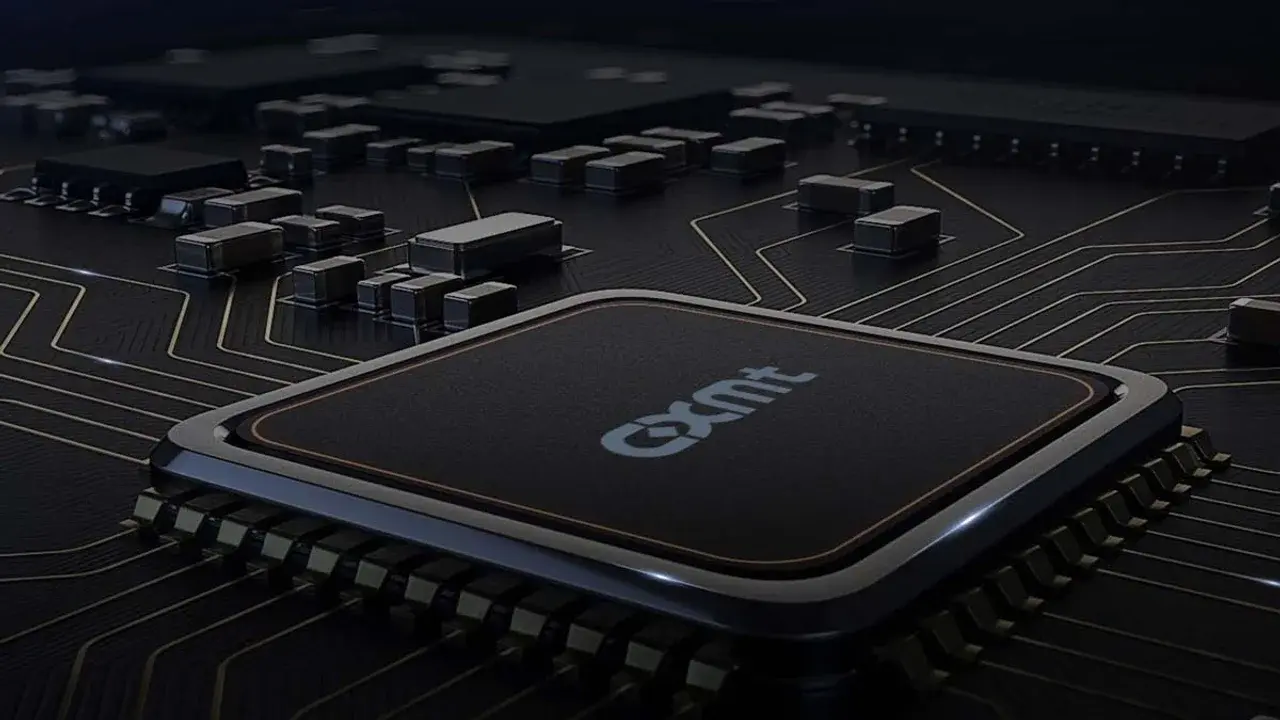
In a significant strategic move, major PC manufacturers including HP, Asus, and Acer have officially begun integrating DRAM chips produced by the Chinese firm ChangXin Memory Technologies (CXMT) into their laptop lineups. These companies finalized the mandatory verification processes in mid-2024 and have initiated limited shipments of devices equipped with these components. While the integration is currently restricted to markets outside of the United States, this transition marks a pivotal shift in the global memory market. By incorporating CXMT chips, these manufacturers aim to diversify their supply chains and mitigate risks associated with the industry’s heavy reliance on a few dominant players.
- Major PC manufacturers have started incorporating CXMT-produced DRAM chips into their devices to build supply chain resilience.
- The use of Chinese-made components is currently limited to non-U.S. markets to avoid potential conflicts with existing industry giants.
- Intense competition for AI-driven infrastructure has caused global RAM prices to climb by over 400 percent in the last year.
- Manufacturers are prioritizing long-term strategic flexibility by qualifying new suppliers despite current price parity with established market leaders.
Market Dynamics Require New Supply Chain Strategies
The global semiconductor landscape is currently defined by an acute shortage of memory components, a situation largely driven by the massive demand for AI infrastructure. This surge in artificial intelligence requirements has effectively monopolized traditional DRAM production capacity, leaving consumer electronics manufacturers scrambling for alternatives. Although CXMT does not currently offer a significant cost advantage—with its pricing remaining comparable to industry titans like Samsung, SK Hynix, and Micron—PC makers view the partnership as a vital insurance policy.
The establishment of a secondary supply chain provides manufacturers with a crucial safety net against future volatility.
Integrating a new DRAM supplier is a rigorous, multi-month endeavor that involves complex engineering, signal integrity validation, and extensive thermal testing. By completing these technical requirements, HP, Asus, and Acer have successfully built an alternative infrastructure that can be scaled up when necessary. This proactive approach highlights a broader industry trend where hardware manufacturers are increasingly wary of being tethered to a singular, limited pool of suppliers.
Dominant Players Maintain Their Market Control
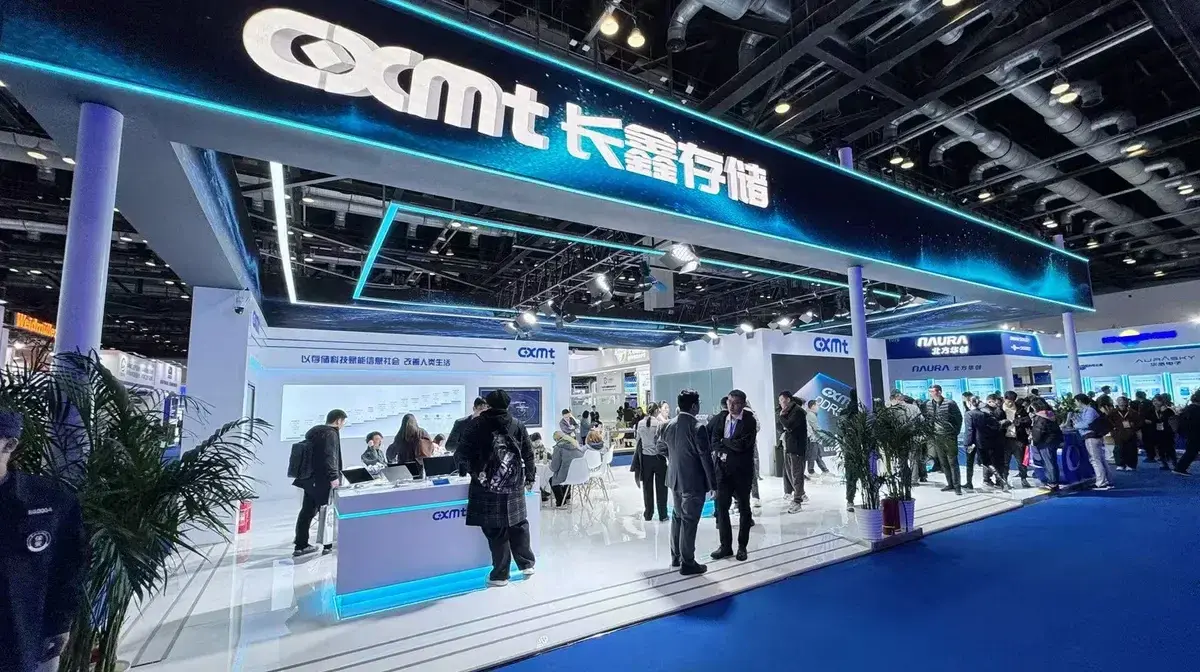
Despite these developments, the ‘big three’ memory manufacturers—Samsung, Micron, and SK Hynix—continue to command over 90 percent of the global market share. Because these companies hold substantial pricing power, they remain largely unfazed by the small-scale entry of Chinese components in the short term. However, the pressure on the global supply chain is undeniable. Recent data from IDC suggests that the global PC market may contract by more than 11 percent this year, further complicating the financial outlook for hardware brands.
Other consumer sectors are feeling the squeeze as well. Smartphone manufacturers, including Xiaomi, Oppo, and Vivo, are facing mounting pressure to revise their 2026 shipment targets due to the unrelenting surge in component costs. Many of these firms have been forced to reduce memory configurations in their entry-level devices or pass the rising costs directly to consumers.
Looking ahead, the role of CXMT is expected to evolve as they rapidly expand their production capabilities. While they do not currently threaten the dominance of established leaders, their status as a qualified supplier provides the necessary leverage for PC makers to negotiate more favorable terms in the future. As the industry grapples with ongoing shortages and economic shifts, the ability to pivot between suppliers will likely become the ultimate competitive advantage for hardware companies.
How do you view this shift toward diversified supply chains in the tech industry, and do you believe it will successfully lower hardware costs in the long run? Share your thoughts in the comments section below.
Your comment has been submitted,
it will be published after approval.