
HÜRJET Program Expands as Spain Enters Strategic Defense Partnership

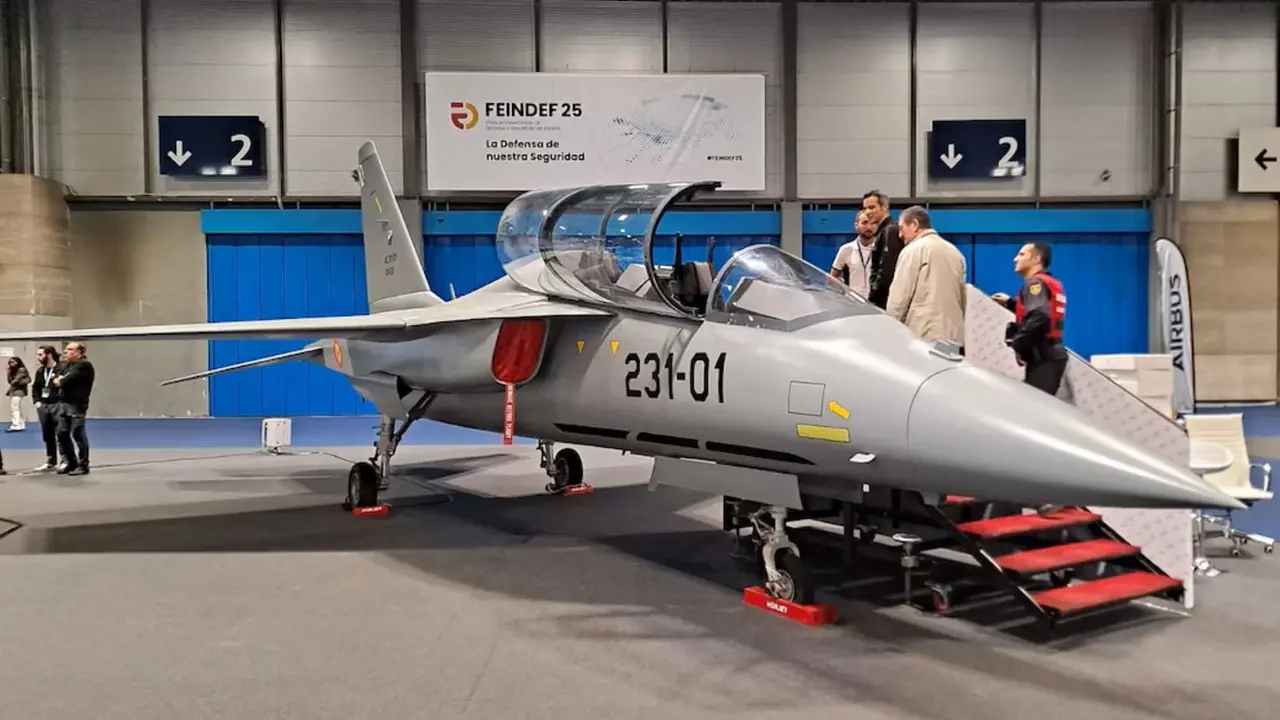
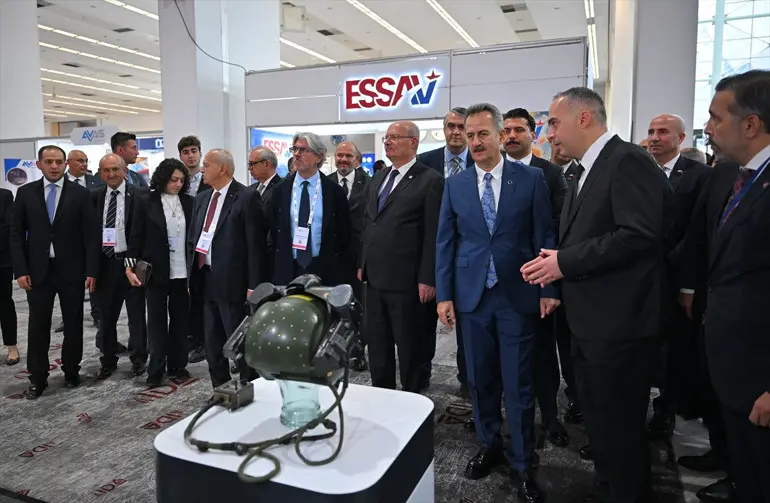
Turkish Aerospace Industries (TUSAŞ) has officially entered a new phase of industrial cooperation with Spain regarding the HÜRJET advanced jet trainer program. During the Turkey Defense and Aerospace Industry Cooperation Days held in Ankara on October 14, Defense Industry President Haluk Görgün confirmed that the program will transition into a collaborative model. While the initial HÜRJET aircraft will be manufactured and delivered from Turkey, subsequent stages will integrate systems and equipment developed by Spanish subcontractors. This partnership marks a significant milestone in bilateral defense relations, evolving the project from a simple procurement deal into a joint platform development initiative involving shared expertise in design, system integration, and certification.
- Spain selected the HÜRJET platform to replace its aging fleet of F-5 training aircraft for its Air and Space Forces.
- The 2.6 billion euro program covers the delivery of 30 aircraft along with comprehensive training simulators and operational support.
- Turkish Aerospace Industries and Airbus collaborate to adapt the aircraft to meet specific European operational requirements.
- The joint configuration developed for Spain may be offered to other NATO and allied nations in the future.
The HÜRJET Program Commands 2.6 Billion Euros in Value
The strategic agreement between Turkey and Spain represents a major export success for the Turkish defense sector, with the contract valued at approximately 2.6 billion euros. Signed in April 2026, the deal involves the delivery of 30 HÜRJET units designed to fulfill Spain’s critical need for advanced jet pilot training. This collaboration is facilitated through a partnership between TUSAŞ and Airbus, ensuring that the aircraft meets the rigorous standards of the Spanish Air and Space Forces.
The procurement process is structured in distinct phases to ensure operational readiness. The initial batch of aircraft will be produced at TUSAŞ facilities in Turkey. Following these deliveries, the project will shift focus toward integrating locally developed Spanish systems. This phase also includes the essential certification processes required for the aircraft to operate seamlessly within the European defense ecosystem. The program extends beyond the hardware, encompassing a full integrated training system that includes high-fidelity simulators, ground infrastructure, and long-term maintenance support.
Future Sales Are Targeting Other NATO Member Nations
Haluk Görgün emphasized that the specific configuration developed for Spain could serve as a blueprint for future international sales. By adapting the HÜRJET to meet the sophisticated requirements of a NATO member state, TUSAŞ is effectively positioning the platform to appeal to other allied countries. While no formal contracts have been signed with additional nations yet, the collaborative model established with Spain provides a robust framework for potential expansion into the broader European market.
This initiative leverages the technical expertise of local Spanish industries, which will contribute to maintenance, system integration, and certification. This cooperative approach not only strengthens the technical capabilities of the HÜRJET but also fosters deeper industrial ties across borders, potentially setting a new standard for how international defense projects are managed.
Technical Specifications Highlight Advanced Capabilities
The HÜRJET is a single-engine, tandem-seat supersonic jet trainer capable of reaching speeds of Mach 1.4. Designed for both advanced pilot training and light attack missions, the aircraft features a sophisticated digital flight control system and a modern avionics suite. These capabilities ensure that trainees are adequately prepared for the transition to fifth-generation fighter jets like the F-35 and the Eurofighter Typhoon. With a service ceiling of 45,000 feet and a compact, agile design, the platform remains a highly competitive solution for modern air forces seeking to modernize their training infrastructure while maintaining light combat flexibility.
What are your thoughts on this strategic collaboration between Turkey and Spain regarding the HÜRJET program? We invite you to share your insights on how this partnership might influence the future of the European defense market in the comments section below.
Your comment has been submitted,
it will be published after approval.