
Turkey Maintains Diplomatic Efforts to Secure Its F-35 Jets

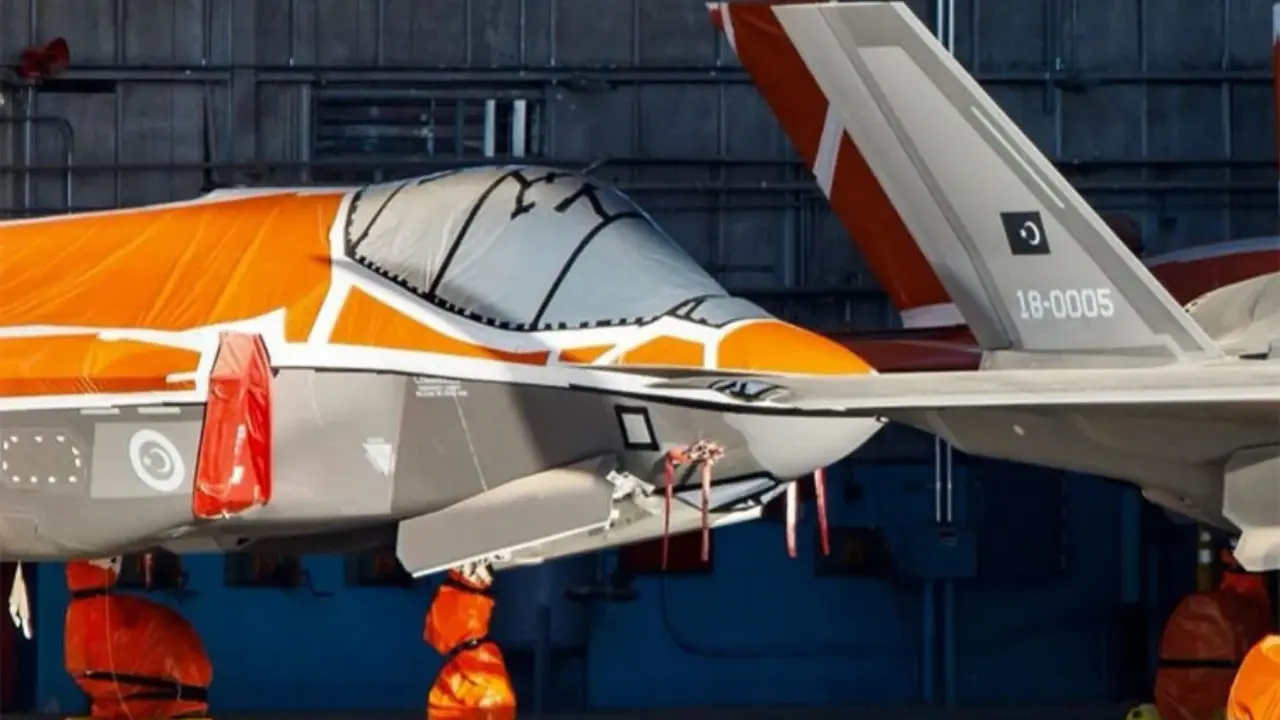
During the AUSA 2026 defense exhibition in the United States, Turkish Deputy Minister of National Defense Alpaslan Kavaklıoğlu confirmed that diplomatic efforts are ongoing between Ankara and Washington regarding the contentious F-35 fighter jet program and existing CAATSA sanctions. Speaking to CNN Türk’s US representative Yunus Paksoy, Kavaklıoğlu noted that recent high-level meetings with Pentagon officials and American defense industry representatives have yielded positive momentum. While acknowledging long-standing bilateral disputes, the Turkish official emphasized that both nations are actively working toward constructive solutions to address defense cooperation gaps and facilitate the delivery of the initial six F-35 aircraft already purchased by Turkey.
- Turkish officials are currently negotiating the delivery of six F-35 aircraft that were produced for the country but withheld due to the S-400 acquisition.
- The ongoing diplomatic dialogue focuses on resolving CAATSA sanctions and addressing security concerns related to the simultaneous use of Russian and American systems.
- Deputy Minister Alpaslan Kavaklıoğlu highlighted that the current state of defense cooperation between Turkey and the US exceeds initial expectations.
CAATSA Sanctions Continue to Complicate the F-35 Process
The exclusion of Turkey from the multinational F-35 program in 2019 followed the country’s procurement of the Russian-made S-400 air defense system. The United States maintains that the integration of the Russian platform creates significant security risks for the F-35’s sensitive technology. Conversely, Ankara has consistently proposed that these technical security concerns could be mitigated through established protocols. 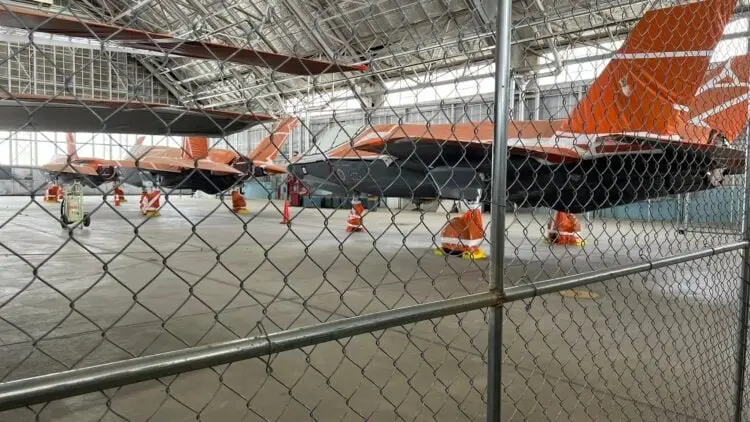
The situation further deteriorated in 2020 when Washington imposed CAATSA sanctions on Turkey, impacting its defense industry significantly. Kavaklıoğlu indicated that these sanctions remain a central topic of discussion. While both sides are engaged in a mutual effort to navigate these hurdles, no definitive timeline for the removal of sanctions or the formal reactivation of Turkey’s participation in the F-35 project has been established to date.
Six Aircraft Remain Stored in the United States
Turkey’s involvement in the F-35 program dates back to 2002, with an original intent to procure 100 F-35A jets. Although a formal handover ceremony for the first aircraft occurred in 2018—with Turkish pilots subsequently completing training flights in the US—the program was abruptly halted for Turkey following the S-400 controversy. Currently, six aircraft produced for the Turkish Air Force remain in storage within the United States.
The fate of these jets is tied to a broader geopolitical framework involving NATO alliance dynamics and regional security requirements. Defense analysts note that resolving the status of these planes requires a breakthrough in the wider diplomatic impasse surrounding Turkey’s defense procurement policies.
Defense Industry Collaborations Become a Priority
Beyond the F-35 issue, Turkey and the US are exploring broader avenues for defense cooperation. Kavaklıoğlu highlighted that the agenda now includes potential joint production initiatives and collaborative investments. The growing sophistication of the Turkish defense sector has reportedly garnered increased attention from American partners, fostering an environment where direct communication remains essential.
While the priority remains securing the six undelivered jets, Turkish officials caution that the current round of talks does not guarantee an immediate return to the program. Instead, the focus remains on building a sustainable framework for long-term defense industry partnership within the NATO alliance.
Given the strategic importance of the F-35 program for regional security, what do you believe is the most viable path forward for resolving the current impasse between Turkey and the United States? Share your thoughts in the comments below.
Your comment has been submitted,
it will be published after approval.