
HÜRKUŞ-II Prepares to Join the Turkish Air Force Inventory

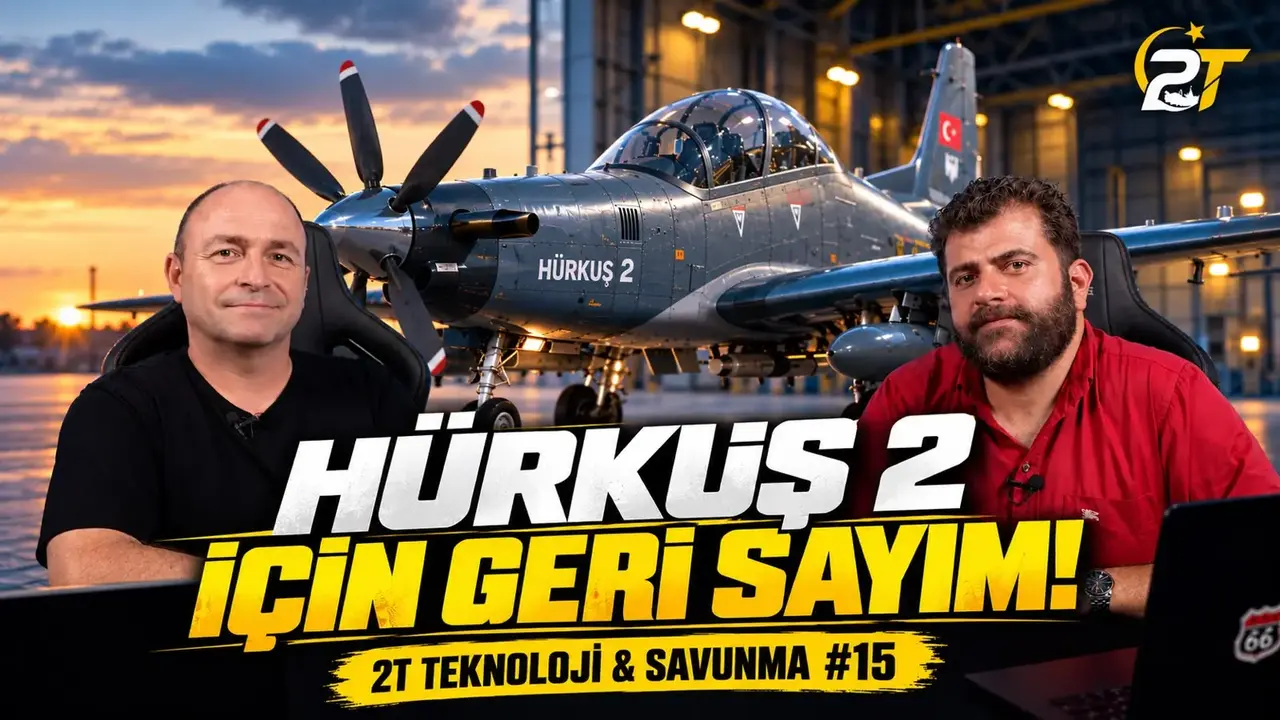
Turkey’s domestic training aircraft program reaches a critical milestone as the HÜRKUŞ-II, a next-generation basic trainer, prepares to enter the Turkish Air Force inventory. Following a comprehensive development process led by Turkish Aerospace Industries (TUSAŞ), the aircraft successfully obtained its Military Type Certificate on September 9, 2026. The official acceptance procedure is scheduled for September 28, 2026, marking the beginning of its operational service. Designed based on the extensive lessons learned from the original HÜRKUŞ platform, this new iteration emphasizes enhanced aerodynamic performance, weight reduction, and increased local component integration to bolster national training capabilities.
- The HÜRKUŞ-II successfully obtained its Military Type Certificate on September 9, 2026, following 153 rigorous certification tests.
- The aircraft features a reduced maximum takeoff weight of 3,300 kilograms compared to the first-generation model.
- Turkish Aerospace Industries plans to finalize the official acceptance of the platform on September 28, 2026.
- The HÜRKUŞ-II serves as a primary link in the training chain before pilots transition to advanced jet platforms like HÜRJET.
HÜRKUŞ Project Evolves Through New Generations
The journey of the HÜRKUŞ project began in 2006, establishing the foundation for Turkey’s indigenous pilot training ecosystem. While the original HÜRKUŞ-A and HÜRKUŞ-B models laid the groundwork for basic and military-grade instruction, the HÜRKUŞ-II emerged as a significant refinement. This version was developed under a contract modification signed on May 3, 2021, specifically aimed at optimizing the airframe for the future needs of the Air Force.
Engineers Prioritize Weight Reduction and Performance
The HÜRKUŞ-II development program focused heavily on improving agility and flight characteristics. By redesigning critical components such as the fuselage, intake, and control surfaces, engineers successfully brought the maximum takeoff weight down to 3,300 kilograms. This reduction, paired with the powerful 1,600 shp Pratt & Whitney Canada PT6A-68T engine, allows for a maximum cruising speed of 533 km/h. These mechanical adjustments ensure that the aircraft meets modern combat training requirements while maintaining cost-effective operational standards.
Certification Processes Validate the Aircraft Capability
The path to operational status required an exhaustive certification process. According to TUSAŞ, the validation included verifying 1,790 individual requirements and reviewing 950 technical documents. This rigorous approach confirms that the HÜRKUŞ-II is not merely an upgrade but a sophisticated platform capable of meeting international flight safety and performance standards. This certification is vital for the integration of the aircraft into the existing pilot training pipeline.
Strategic Role in the Training Chain Continues
The HÜRKUŞ-II occupies a vital position in the training syllabus. By providing a modern turboprop foundation, it bridges the gap between basic flight screening and advanced training on jet platforms like the HÜRJET. As pilots master the handling characteristics and advanced avionics of the HÜRKUŞ-II, they gain the necessary skills to progress toward high-performance combat aircraft like the F-16 and the future fifth-generation fighter, KAAN. This tiered approach reduces overall training costs while maintaining high proficiency levels.
Global Market Competitiveness Increases
In the international arena, the HÜRKUŞ-II enters a competitive market against established platforms such as the Pilatus PC-21 and the KAI KT-1. TUSAŞ aims to differentiate the aircraft by offering a complete training package that includes integration with the HÜRJET, alongside a high degree of domestic component independence. By reducing reliance on foreign supply chains, the project enhances both the logistical sustainability of the Turkish Air Force and the export potential of the platform to allied nations.
The transition to the HÜRKUŞ-II represents a major leap in Turkey’s indigenous aviation capabilities. We invite our readers to share their thoughts on how this new trainer will impact the future of Turkish pilot training and whether you believe it will become a strong competitor in the global defense export market.
Your comment has been submitted,
it will be published after approval.