
Hyundai and Kia Issue Fire Risk Recall for 14 EVs

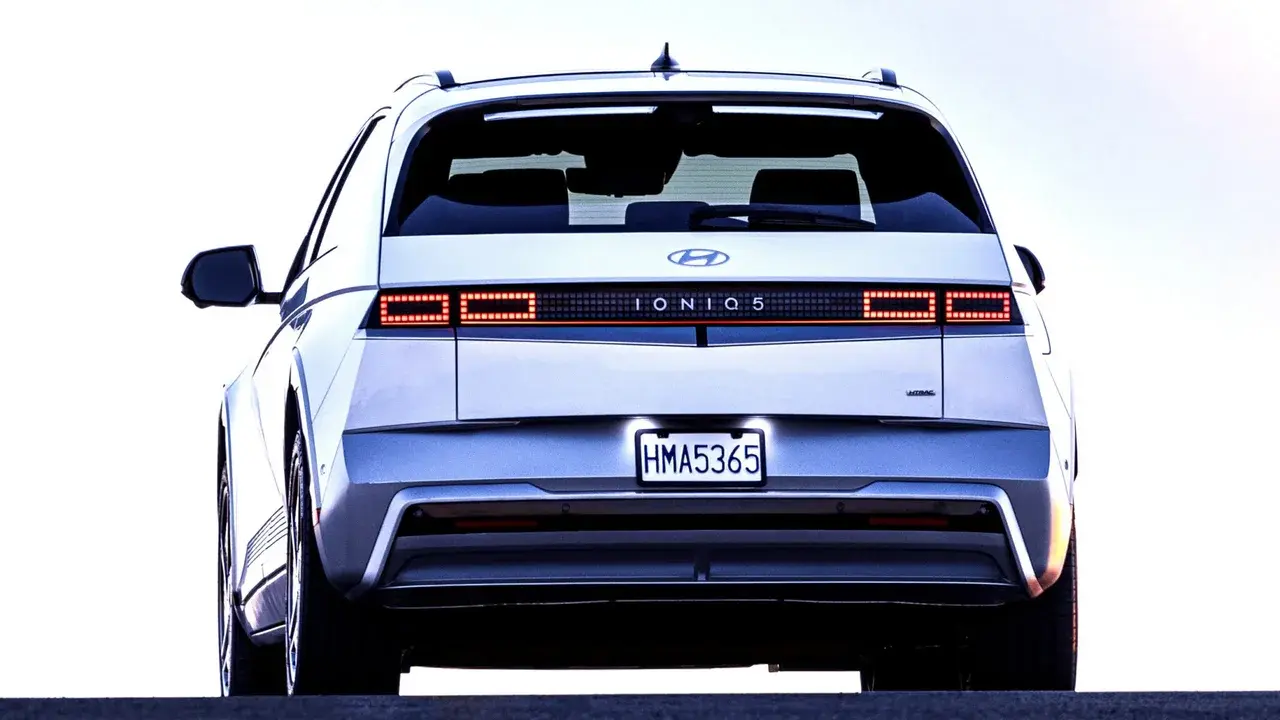
Hyundai and Kia have officially announced a critical safety recall for 14 electric vehicles due to potential fire risks stemming from manufacturing defects in their battery cells. The recall, initiated in July 2024, addresses a specific alignment error within the battery modules supplied by SK On, which could lead to dangerous short circuits. Affected vehicle owners are being notified to take immediate precautions to prevent potential fire hazards while the manufacturers prepare for necessary hardware replacements. This safety measure highlights the ongoing challenges automakers face regarding battery reliability as they rapidly expand their electric vehicle lineups.
- A manufacturing error involving misaligned electrodes in battery cells has prompted a recall of 14 Hyundai and Kia electric vehicles.
- The affected models include specific units of the Hyundai Ioniq 5, Kia EV6, and Kia EV9 SUV.
- Owners must avoid charging their vehicles above 80 percent and are advised to park them in open, outdoor spaces.
- Kia will replace the entire high-voltage battery pack in impacted vehicles to resolve the short circuit risk.
The primary safety concern involves the potential for battery fires whether the vehicle is in motion or parked.
Automakers Detail the Scope of Affected Vehicles
The scope of this recall encompasses a limited but specific range of vehicles manufactured between 2022 and 2024. Hyundai has identified six Ioniq 5 units from the 2023 and 2024 model years as being subject to the safety flaw. Meanwhile, Kia’s list includes seven EV6 models from the 2022-2024 production period and one 2024 model year EV9 SUV. 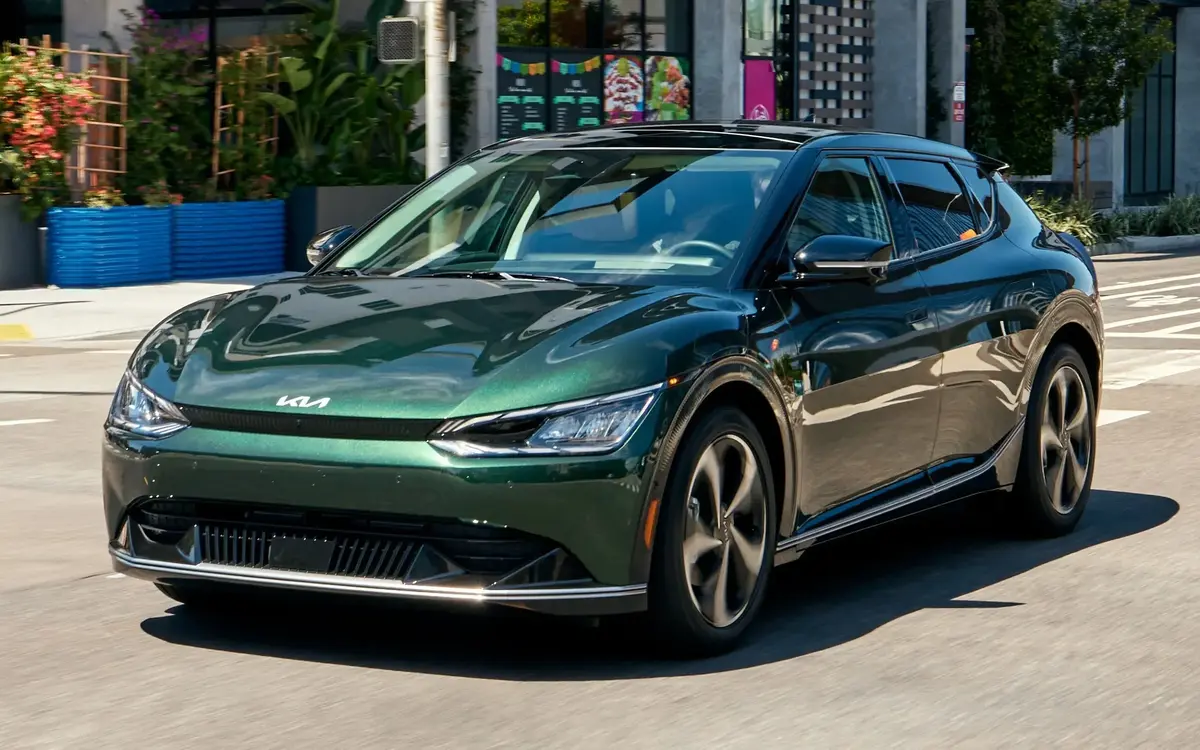
These vehicles were identified through rigorous quality control processes that linked the defect directly back to the production facility of the battery supplier. Because the electrode misalignment occurs deep within the battery structure, a physical replacement of the modules is deemed the only permanent solution to ensure long-term driver safety.
Manufacturers Provide Essential Safety Instructions
While the logistics for the hardware replacement are finalized, both Hyundai and Kia have issued strict guidelines for current owners. Users are cautioned against charging their batteries to full capacity, with a mandatory limit set at 80 percent to minimize stress on the internal components. 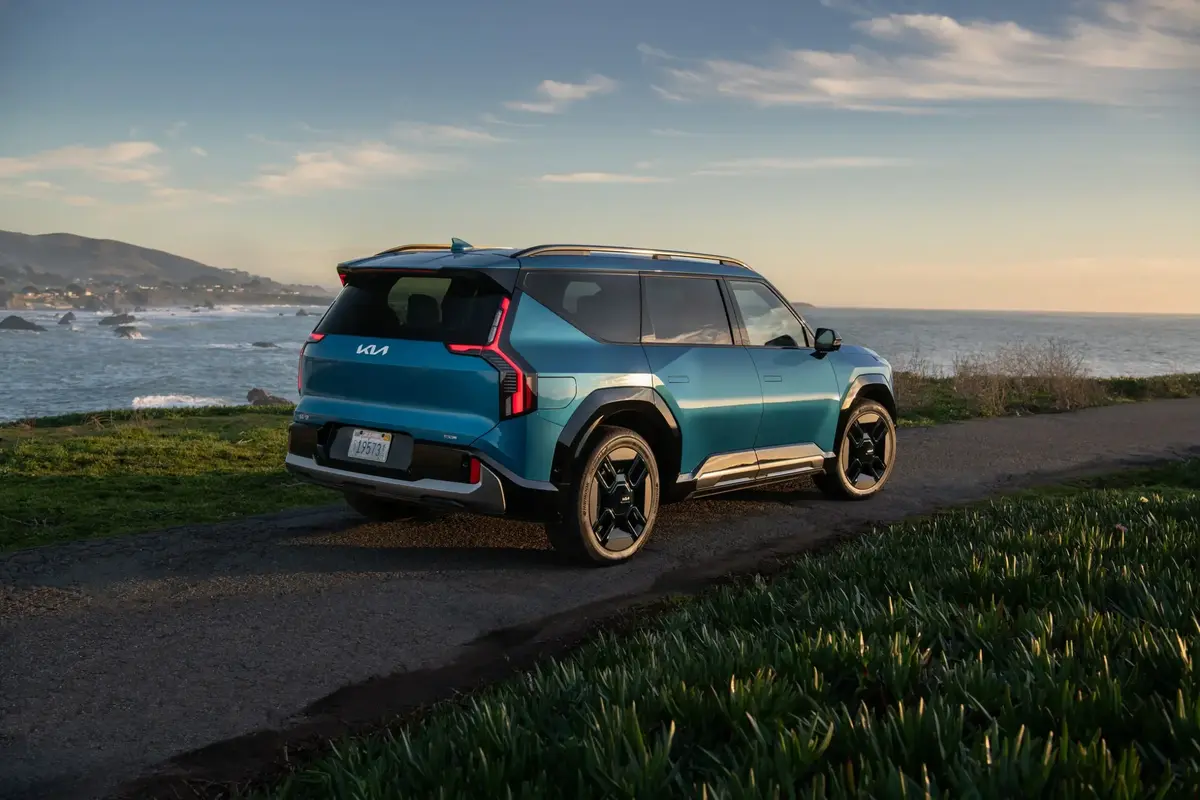
Drivers are strongly urged to store their vehicles in open areas away from residential or commercial structures until the repairs are finalized.
Repair Procedures Will Address Technical Defects
Kia has confirmed that it will replace the entire high-voltage battery assembly for all affected units to ensure that all cells are correctly aligned and free from defects. Although Hyundai has not yet released a granular breakdown of its specific repair steps, it is expected to implement a similar full-replacement strategy to maintain safety standards. Dealer notifications were distributed on July 6, and the official letters to vehicle owners are scheduled to be mailed by August 7.
Given the increasing reliance on complex battery technology in modern transportation, how do you feel these types of recalls influence long-term consumer trust in electric vehicle brands? Share your thoughts in the comments section below.
Your comment has been submitted,
it will be published after approval.