
Intel CEO Lip-Bu Tan: China Remains Competitive in Chip Production

In a recent interview with Nikkei Asia, Intel board member and industry veteran Lip-Bu Tan offered a nuanced perspective on the state of the global semiconductor sector, asserting that China is not as far behind in chip production technology as many Western analysts previously assumed. Despite the stringent trade restrictions imposed by the United States and the significant barriers preventing Chinese firms from accessing advanced Extreme Ultraviolet (EUV) lithography equipment, Tan suggests that domestic Chinese manufacturers maintain a competitive edge. This assessment challenges the prevailing narrative that sanctions have crippled China’s ability to innovate, highlighting that the nation’s indigenous capabilities remain a potent force in the evolving semiconductor landscape.
- Intel’s Lip-Bu Tan argues that China’s advanced chip production capacity remains significantly resilient against international sanctions.
- United States export controls continue to restrict Chinese access to critical EUV lithography machines manufactured by global suppliers.
- Domestic developer Landau has successfully created an EUV light source prototype capable of operating for 100 continuous hours.
- Industry experts remain divided on whether China can bridge the technological gap with Western competitors within the next decade.
Global Sanctions Encourage Local Technological Innovations
The geopolitical struggle for semiconductor dominance continues to intensify as both the United States and China prioritize self-sufficiency. While industry leaders and figures like Elon Musk have suggested that China possesses the capability to bypass production constraints rapidly, other executives, including those at optics giant Zeiss, warn that the technological chasm could take ten years to bridge. The reliance on ASML’s EUV machines is a major bottleneck for Chinese foundries, yet this exclusion appears to have acted as a catalyst for domestic research and development efforts.
Chinese Manufacturers Create New Technological Solutions
A notable development in this pursuit of independence is the recent breakthrough by the Chinese firm Landau, which unveiled a new EUV light source prototype. 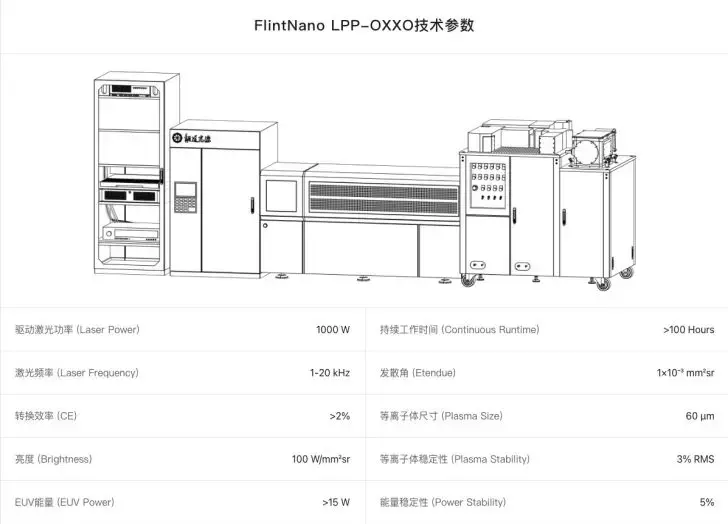 While the system currently operates at an entry-level capacity compared to the gold standard set by ASML, its ability to maintain stability for 100 hours is viewed by many as a significant technological milestone. Achieving consistency in EUV light sources is notoriously difficult, and successful progress in this area could eventually allow Chinese manufacturers to challenge the existing global supply chain hierarchy.
Strategic Patience Shapes Future Market Outcomes
Lip-Bu Tan emphasized that Intel is taking a patient approach to expanding its own foundry business, noting that long-term success requires both technological prowess and operational excellence. The executive believes that the unique strengths of both American and Chinese companies will dictate the trajectory of the industry over the coming years. As the market anticipates major shifts between 2029 and 2034, China’s aggressive push toward self-reliance is expected to redefine the global semiconductor ecosystem. Whether these domestic advancements will successfully neutralize the impact of trade barriers remains a critical question for stakeholders worldwide.
Given the rapid pace of domestic innovation in China, do you believe the nation will be able to fully overcome current technological sanctions to match Western chip production standards? Share your thoughts and predictions in the comments section below.
Your comment has been submitted,
it will be published after approval.