
iPhone Duo Fails Rigorous Durability Testing by JerryRigEverything

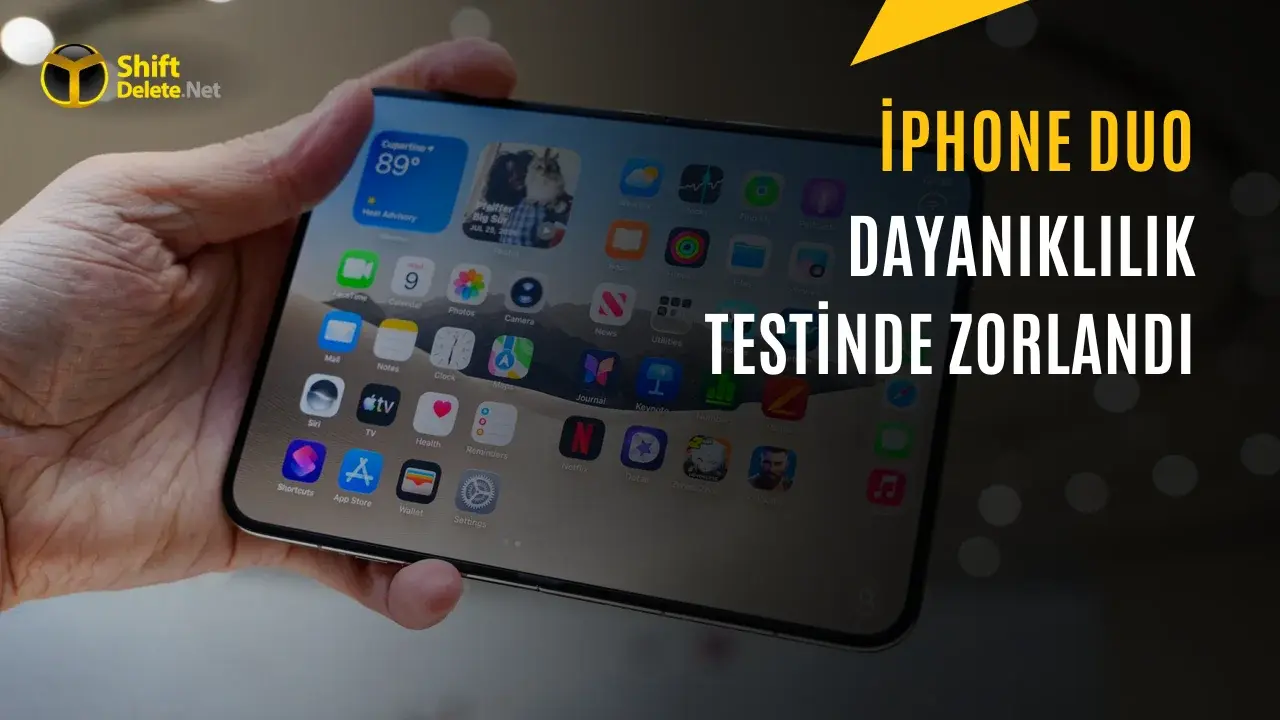
Apple’s highly anticipated foldable device, the iPhone Duo, has recently undergone a grueling iPhone Duo durability test conducted by the prominent tech analyst Zack Nelson of the YouTube channel JerryRigEverything. The comprehensive examination revealed significant vulnerabilities in the device’s structural integrity, particularly concerning its hinge mechanism and internal display. By subjecting the smartphone to real-world stress scenarios, the testing process highlighted potential risks for everyday users who might expose the device to common environmental factors like dust or accidental physical pressure. The results underscore critical concerns regarding the long-term reliability of Apple’s first entry into the competitive foldable mobile market.
- The iPhone Duo failed to close properly after being exposed to sand and debris particles during stress testing.
- The device’s internal flexible AMOLED screen sustained permanent damage when subjected to reverse-folding pressure.
- Replacement costs for the delicate internal display are estimated at approximately 114,939 TL for consumers.
- Structural weaknesses suggest that current foldable technology requires further refinement to withstand standard environmental hazards.
Hinge Mechanism Shows Vulnerability to Debris
During the assessment, the iPhone Duo was exposed to a controlled environment filled with sand and fine grit to simulate beach or outdoor conditions. The test results demonstrated that the hinge mechanism is highly susceptible to foreign particles. Once the debris entered the internal components, the magnets failed to clear the blockage, ultimately preventing the device from folding completely flat. This mechanical failure poses a significant warning for users, as the accumulation of dust can severely impede the device’s basic functionality.
While many modern smartphones feature an IP68 rating, this certification does not account for the mechanical risks associated with moving parts in foldable phones. The current design of the iPhone Duo appears to trap particles within the hinge rather than expelling them. This design flaw suggests that the internal longevity of the device could be compromised by even minor exposure to everyday dirt and sand particles.
Internal Screen Sustains Damage During Bending
Beyond the hinge issues, the structural integrity of the display was scrutinized during a bending test. When the iPhone Duo was subjected to pressure in the opposite direction of its intended fold, the internal AMOLED screen suffered immediate and irreversible damage. Although the device did not snap in half, the screen’s delicate nano-texture coating could not prevent the underlying panel from failing under stress.
Because flexible AMOLED technology remains inherently soft, the screen is highly prone to scratches and pressure-related fractures. The cost of repairing such a screen is substantial, reaching an estimated 114,939 TL. This extreme financial burden makes the device a risky investment for consumers who prioritize durability. The testing results emphasize that while foldable technology is impressive, it is still in the early stages of development, and manufacturers must prioritize reinforced structural integrity to ensure the device can endure the rigors of daily use.
Given the high repair costs and the structural vulnerabilities identified in this test, would you consider purchasing a foldable phone, or do you believe the technology still needs more time to mature? Please share your thoughts in the comments section below.
Your comment has been submitted,
it will be published after approval.