
SİPER Blok-2 Demonstrates Mid-Flight Target Redirection Capability

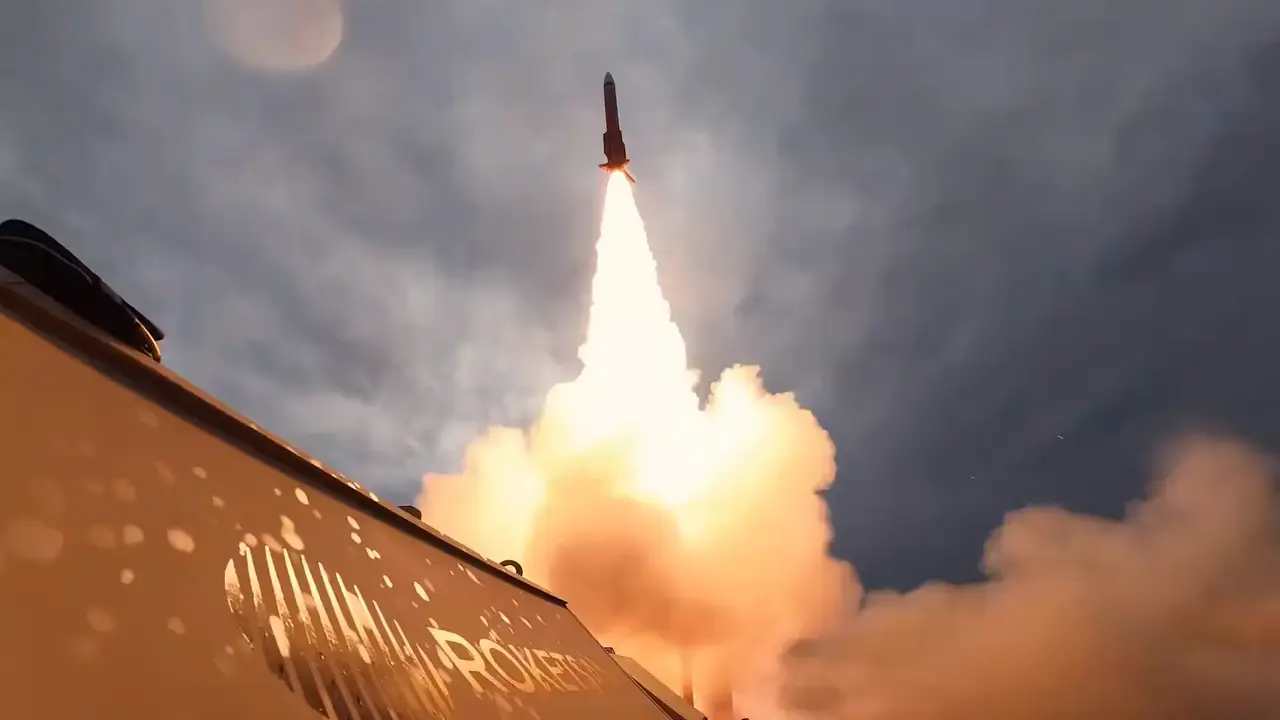
Turkey’s indigenous long-range air and missile defense system, SİPER Blok-2, successfully demonstrated its advanced mid-flight target redirection capability during a recent live-fire test. Managed by the Presidency of Defense Industries, the test confirmed the system’s ability to update target data after the missile has already been launched. Once the updated information was received, the interceptor effectively shifted its trajectory to engage and destroy the new target. This milestone marks a significant step forward for the SİPER program, reinforcing Turkey’s national “Steel Dome” air defense architecture by enhancing operational flexibility against dynamic and evolving aerial threats.
- The SİPER Blok-2 system successfully destroyed a new target after receiving updated coordinates during mid-flight.
- The test evaluated essential functions including mid-course guidance, terminal guidance, and target acquisition.
- Approximately 1,000 subcontractor firms contribute to the development of the SİPER project ecosystem.
- The system reinforces the long-range layer of Turkey’s integrated Steel Dome air defense network.
The System Enables Dynamic Target Engagement
A critical aspect of this test was the missile’s ability to process new information while in motion. By successfully transitioning between an initial engagement and a secondary target, the system proved its proficiency in mid-course and terminal guidance. This capability is vital for modern air defense, as it allows operators to adapt to changing tactical priorities or shifting threat vectors in real-time. 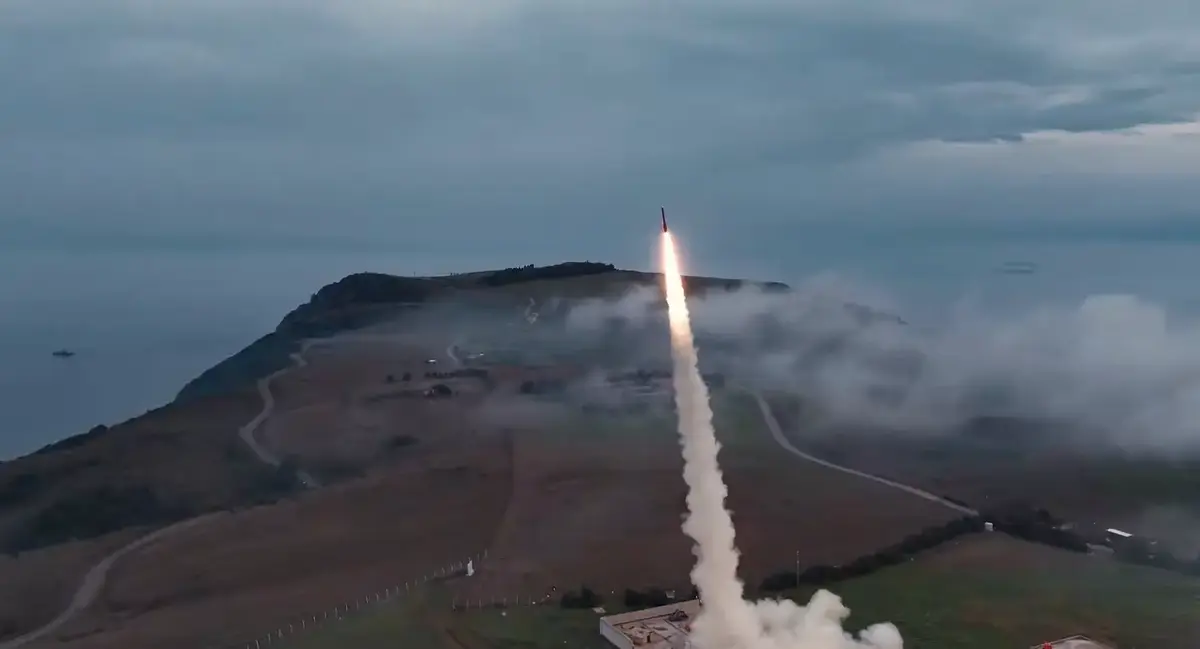 When target data is refreshed during the flight, the missile adjusts its flight path to ensure a successful interception, thereby increasing the system’s overall tactical responsiveness and survivability in complex combat environments.
Engineers Tested Performance Against Low-Altitude Targets
The firing test also scrutinized the platform’s performance against targets flying at low altitudes, particularly those moving close to the sea surface. Detecting and tracking such targets presents unique challenges for radar systems due to horizon limitations and environmental interference. 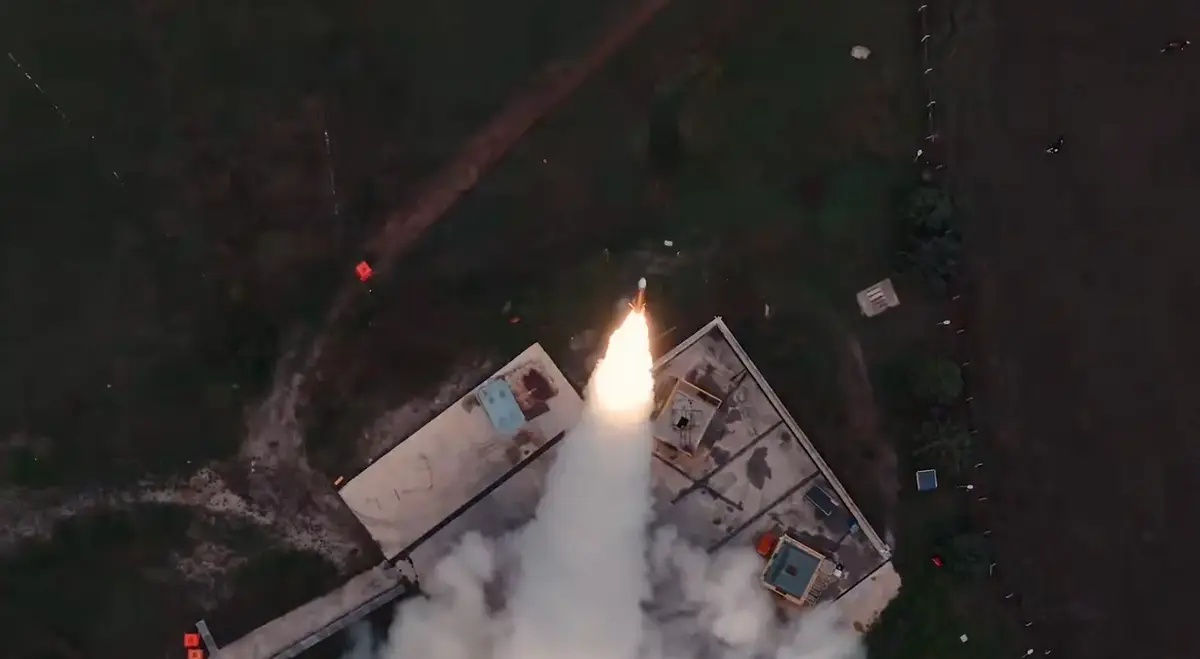 By successfully engaging a sea-skimming target profile after a mid-flight update, SİPER Blok-2 demonstrated its robustness and high-precision tracking capabilities. This testing phase provides essential data regarding the missile’s performance envelope, ensuring that the system can handle diverse threat scenarios effectively.
The Steel Dome Network Receives Long-Range Reinforcement
As a core component of the “Steel Dome” project, SİPER represents the pinnacle of Turkey’s layered air defense strategy. The program is currently being executed through a collaborative effort between the Presidency of Defense Industries, ASELSAN, ROKETSAN, and TÜBİTAK SAGE. 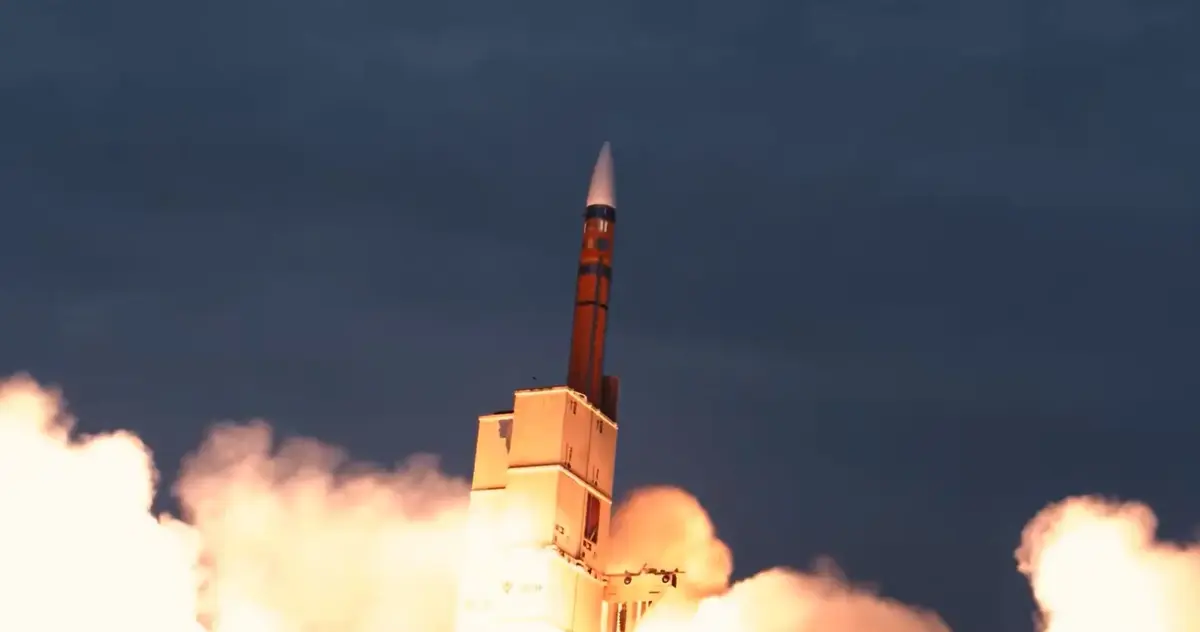 While ASELSAN leads in radar and system integration, ROKETSAN focuses on advanced missile hardware, and TÜBİTAK SAGE manages critical research and development. The Blok-2 configuration is specifically designed to provide superior range and altitude coverage compared to its predecessors, effectively neutralizing a wider variety of aerial threats.
The Defense Industry Ecosystem Continues to Expand
The success of the SİPER project is built upon a massive industrial foundation involving nearly 1,000 domestic subcontractors. This wide-reaching ecosystem ensures that Turkey maintains full independence in its defense manufacturing capabilities, from sensor technology to advanced propulsion systems. Prof. Dr. Haluk Görgün, President of Defense Industries, emphasized that the project not only builds hardware but also cultivates a highly qualified workforce, securing the nation’s technological autonomy for future defense initiatives.
What are your thoughts on the development of these advanced air defense capabilities, and how do you think they will impact the future of regional security? Please share your comments below.
Your comment has been submitted,
it will be published after approval.