
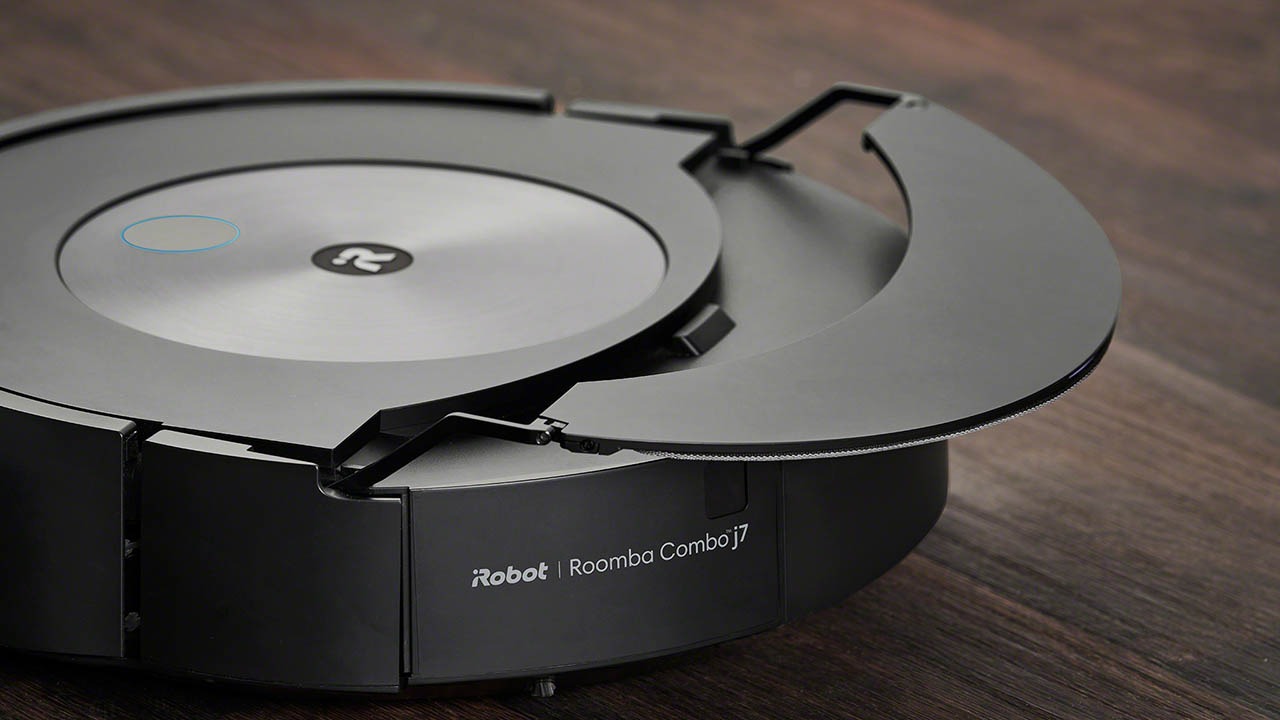
iRobot bankruptcy has become official, closing the door on the company’s 35-year run. The Roomba pioneer filed for Chapter 11 and will be fully acquired by Shenzhen-based Picea Robotics. Investors won’t see a cent.
iRobot bankruptcy clears path for Picea takeover

The writing had been on the wall for months. iRobot’s cash flow collapsed, and now Picea is stepping in. This Chinese manufacturer has quietly built devices for iRobot and others. Now, it’s buying the company outright. If the court approves the plan, the deal should close by February 2026.
Picea has long stayed behind the curtain, producing devices like the Roomba Max 705 Combo and Dyson Spot+Scrub. Taking over iRobot gives it more than just manufacturing clout it hands them a global brand with serious name recognition.

iRobot bankruptcy erases shareholder value
Once the deal closes, iRobot’s stock will disappear from the market. Shareholders will lose everything. That’s the hard cost of restructuring, and there’s no payout on the horizon. The court still needs to finalize the process, but the company has made its position clear.
So far, iRobot hasn’t addressed the future of its employees. There’s been no word on layoffs, leadership shifts, or internal restructuring. That silence may not hold much longer.
What Roomba users can expect
While the financial side crumbles, iRobot insists its products won’t. Customers will still have full access to the iRobot app, and current Roomba and Braava Jet models should function as usual.
Even so, expect less originality. With Picea now in control, future releases will likely follow its existing designs, not fresh ideas from the iRobot team.
Why Picea wants iRobot under its name
Picea didn’t just buy a product line it bought brand equity. For years, the company built robots for others. Now, it can finally speak directly to consumers. That shift brings new revenue potential and more control.
Here’s what Picea gains:
- Ownership of a global household name
- Direct access to international markets
- Higher profits by cutting out brand partners
The lights stay on, but the soul’s been sold
The iRobot bankruptcy saves the logo but not the legacy. A company that helped define home robotics now exists under its own supplier. The shell stays. The spark doesn’t.