
Is Booking.com Returning to Turkey? New Legal Regulations Introduced

After a nearly nine-year access restriction, the global travel giant Booking.com is at the center of a major legislative shift in Turkey that could pave the way for its official return. On August 11, a comprehensive new bill was introduced to the Grand National Assembly of Turkey (TBMM), specifically targeting digital accommodation platforms including Booking.com, Airbnb, and TravelGo. This legislative move aims to bring foreign digital travel intermediaries under strict oversight by the Ministry of Culture and Tourism. As the parliament prepares to reconvene in October, the proposal outlines a clear path for these platforms to operate legally within the Turkish market under a formal regulatory framework.
- Foreign digital accommodation platforms must obtain an official permit from the Ministry of Culture and Tourism to operate in Turkey.
- A mandatory permit fee of 5 million TL will be required for companies to gain legal authorization for a two-year period.
- The legislation imposes a strict 17 percent cap on the commission rates that digital platforms can charge property owners.
- Non-compliant platforms will face a total ban on their operations within the country until they meet the specified legal requirements.
Ministry Oversight Mechanisms are Being Established
The proposed legislation marks a significant turning point for the digital tourism sector. By mandating that all international platforms register with the Ministry of Culture and Tourism, the government seeks to ensure that every booking made through these channels is transparent, taxable, and subject to national security standards. Once the law is enacted, platforms currently operating in the country will have a three-month grace period to secure their official operating licenses. 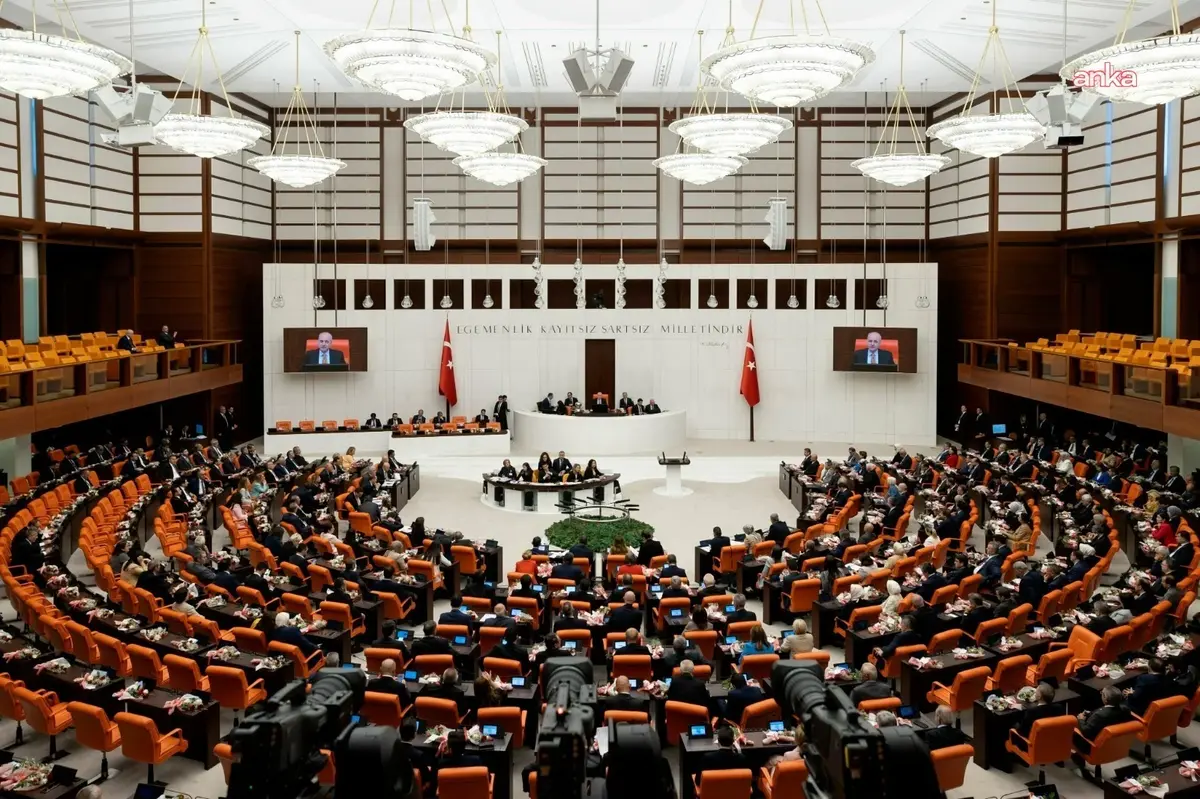 This transition is designed to convert the current unregulated environment into a structured, audit-ready system that protects both local hoteliers and international travelers.
Financial Requirements and Operational Constraints are Defined
The bill introduces rigorous financial obligations for foreign companies. Beyond the initial 5 million TL permit fee, which will be subject to annual revaluation, these platforms are required to contribute 7.5 per ten-thousand of their revenue to the Turkey Tourism Promotion and Development Agency (TGA). These payments are intended to bolster Turkey’s global tourism marketing efforts while ensuring foreign entities pay their fair share in the local market.
Furthermore, the regulation addresses the issue of market dominance by capping commission rates at 17 percent. This measure is primarily aimed at preventing unfair competition and alleviating the financial burden on small-scale accommodation providers. Additionally, platforms will be strictly prohibited from marketing products outside of their designated scope. They must operate solely through e-commerce environments approved by the Ministry, ensuring that the services provided remain focused on accommodation and travel-related hospitality.
Parliamentary Procedures are Moving Forward
The legislative process is set to gain momentum as the 28th Term of the Turkish Parliament resumes its sessions on October 1. Following an initial special session, the assembly is scheduled to accelerate its review of the bill by October 6. If passed, the law will fundamentally alter the digital landscape for travel in Turkey, effectively ending the long-standing uncertainty surrounding major global booking sites. The focus remains on creating a fair, competitive, and highly regulated digital ecosystem that benefits the national economy while maintaining high standards for service delivery.
We are curious to hear your thoughts on these new regulations; do you believe that the return of platforms like Booking.com will boost Turkish tourism or create new challenges for local businesses? Share your opinions in the comments section below.
Your comment has been submitted,
it will be published after approval.