
Renault 8 Gordini Returns as a Modern Electric Concept

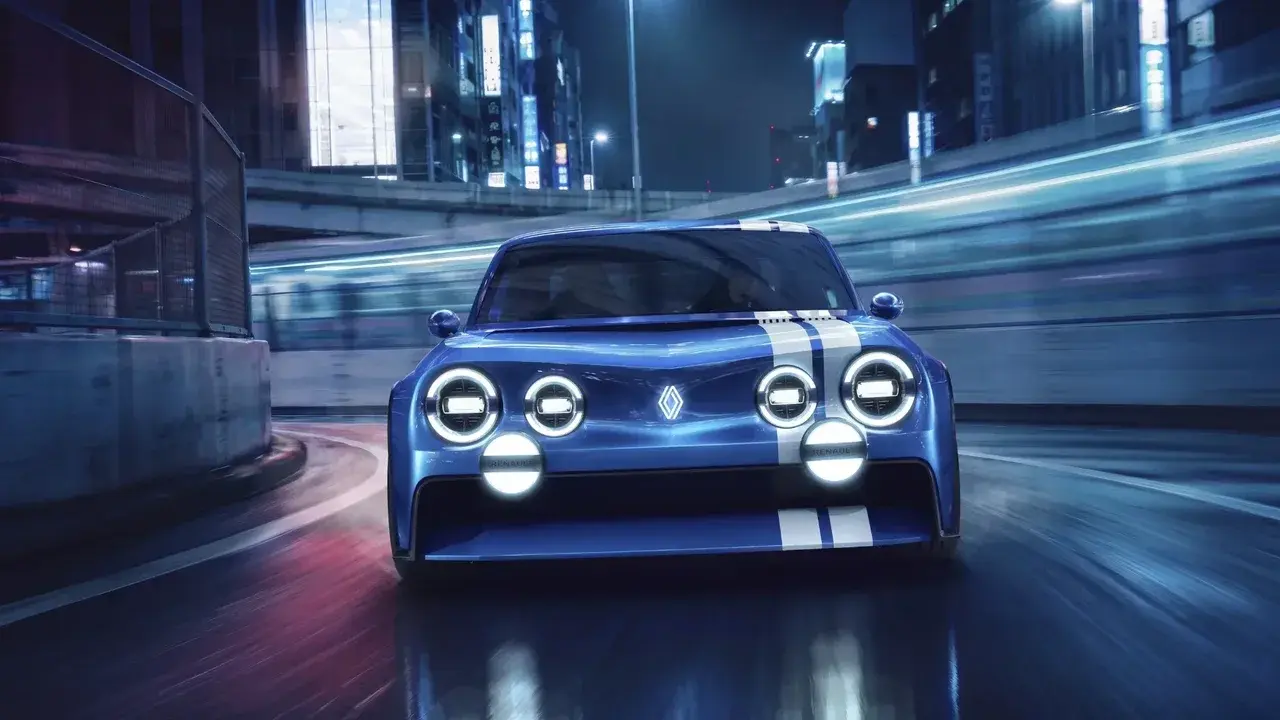
Renault has officially unveiled a stunning modern reinterpretation of its legendary Renault 8 Gordini, blending 62 years of motorsport heritage with contemporary electric vehicle technology. The new Renault 8 Gordini electric concept made its debut at the Renault Carwalk event on September 24, showcasing how the French automaker aims to preserve its history while embracing a sustainable future. Originally launched in 1964, the iconic model has been transformed from a classic four-door sedan into a sleek, two-person sporty coupe. This concept serves as a design study, confirming that while it will not enter mass production, it honors the brand’s performance-oriented legacy.
- The Renault 8 Gordini electric concept features a powerful 270-horsepower electric motor with a rear-wheel-drive configuration.
- The vehicle dimensions measure 4.12 meters in length, 1.88 meters in width, and 1.27 meters in height.
- Renault confirms that the prototype will be displayed at the Paris Motor Show before moving to the Renault Collections museum.
Engineering Focuses on High Performance
The concept vehicle maintains the classic rear-wheel-drive architecture that made the original Renault 8 Gordini a favorite among driving enthusiasts. Powered by a potent electric motor producing 270 horsepower, the car offers a significant performance boost over its historical predecessor. The design team opted for a staggered wheel setup, utilizing 19-inch wheels at the front and 20-inch wheels at the rear to ensure maximum grip and stability. 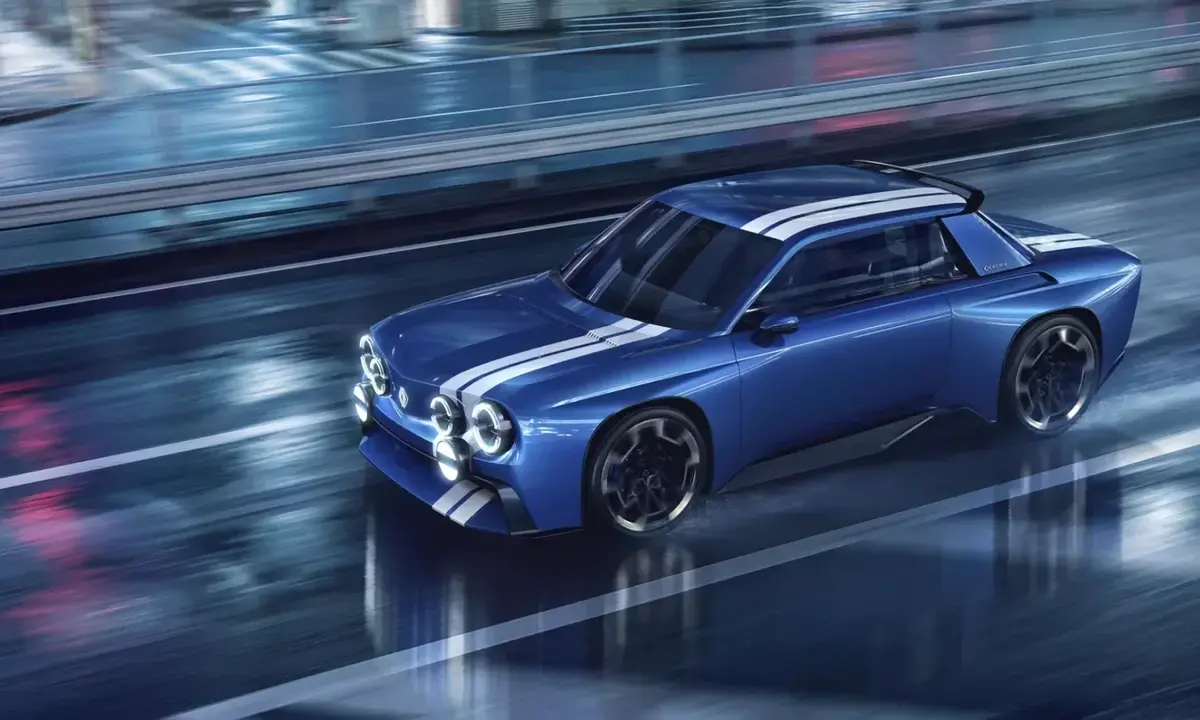
Aerodynamics played a crucial role in the development process, which involved evaluating over 300 internal design sketches. The iconic blue body color and signature double white stripes have been meticulously preserved, though they now serve as functional aerodynamic elements rather than purely aesthetic additions. The front fascia features six circular headlights, providing a bridge between the distinct styling of the 1960s and the modern, sharp lines of today.
Interiors Emphasize Motorsport Heritage
Inside the cabin, the design language shifts toward a minimalist, track-focused environment. The interior utilizes brushed aluminum for the dashboard and control units, complemented by premium Alcantara upholstery on the seating. The driver is greeted by round digital gauges that reflect the exterior lighting design, reinforcing the cohesive vision of the project. 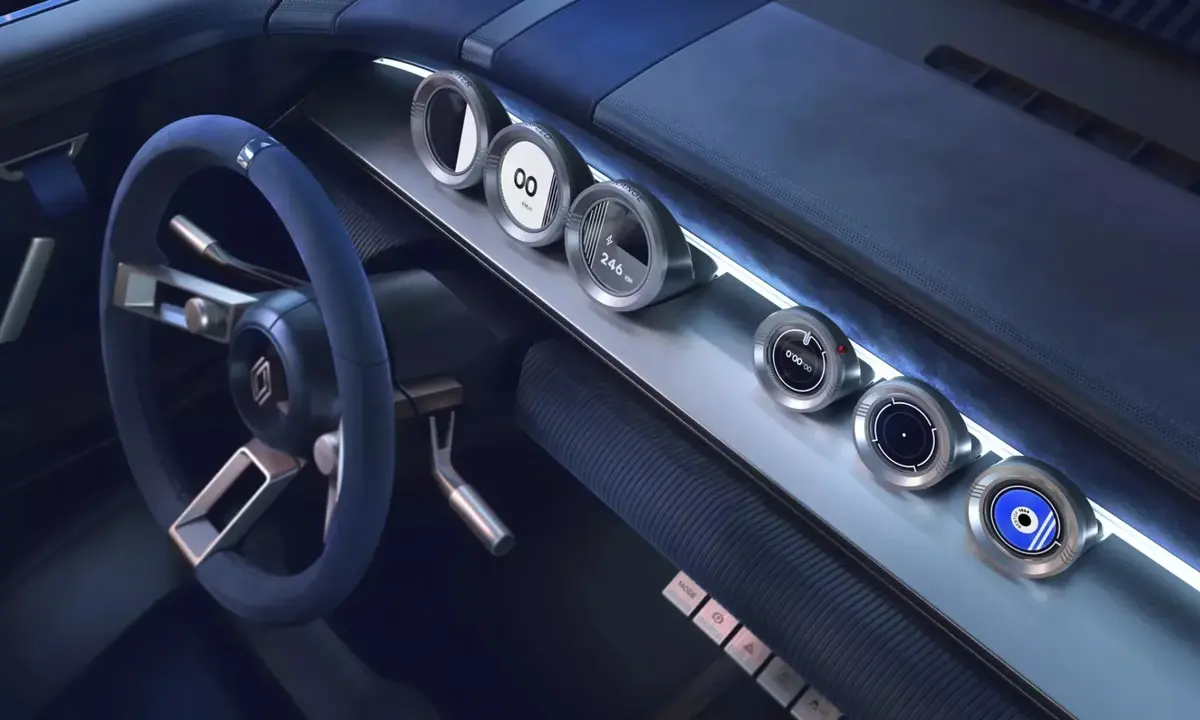
Bucket-style racing seats and a dedicated stopwatch button serve as direct homages to the model’s rich rally history. While the 1964 original was celebrated for turning a standard road car into a performance machine with its 95-horsepower engine, this electric version represents the evolution of that accessible performance philosophy. It stands alongside other retro-inspired projects like the Renault 5 Diamant and the electric R17 restomod, reinforcing Renault’s commitment to its archives.
Future Plans Include Museum Exhibition
Following its initial showcase, the vehicle is scheduled to appear at the Paris Motor Show between October 12 and October 18, 2026. After the exhibition concludes, the car will be permanently housed at the Renault Collections museum in Flins. This project remains a singular design study, illustrating how the company balances its storied past with its electric future.
We would love to hear your thoughts on this bold reinterpretation of a classic icon; do you believe transforming heritage models into modern electric vehicles is the right path for Renault’s future?
Your comment has been submitted,
it will be published after approval.