
Isuzu Tests 3-Minute Battery Swapping for Electric Garbage Trucks

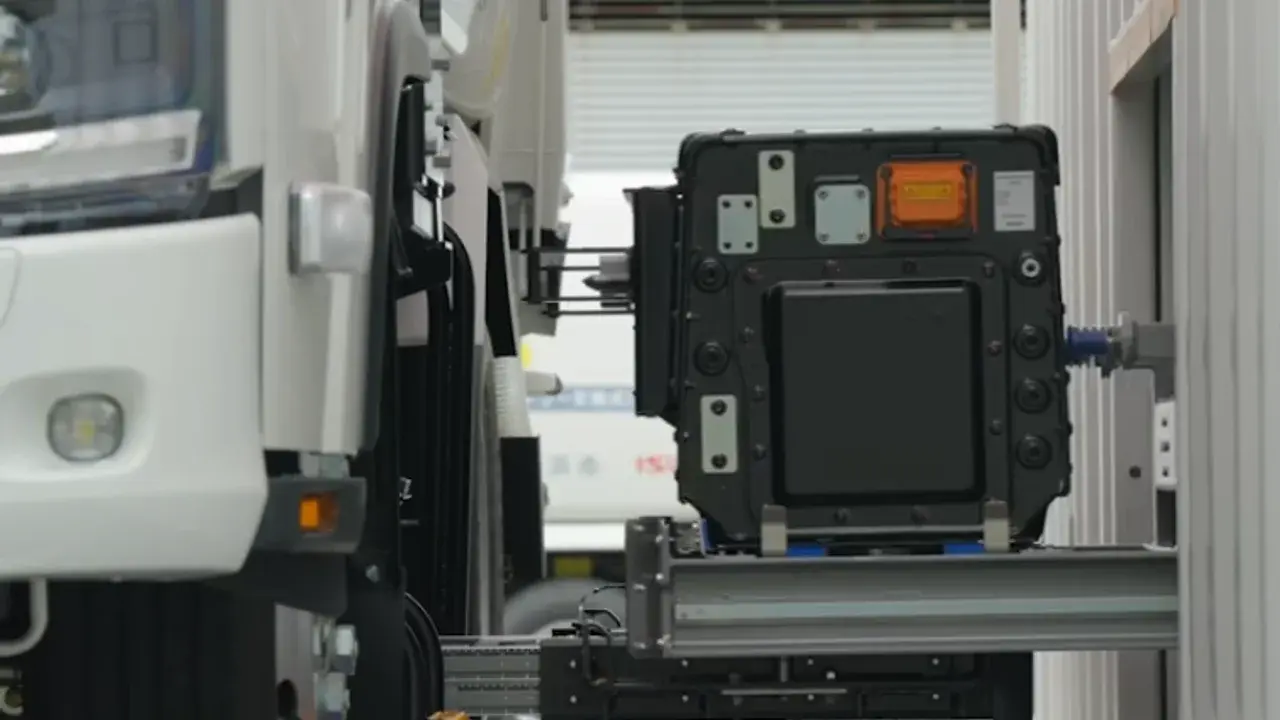
Isuzu Motors has launched an innovative demonstration project in Yokohama to evaluate a three-minute battery-swapping system designed specifically for electric garbage trucks. By replacing the long traditional charging periods with a rapid modular exchange process, the company aims to eliminate operational downtime for high-demand municipal vehicles. This pilot program, conducted in partnership with the City of Yokohama, is scheduled to run through March 2028 to determine if battery swapping can maintain seamless fleet continuity. As these trucks require significant energy to complete their daily routes, this technology could fundamentally transform how urban service vehicles manage their energy needs without sacrificing productivity.
- The project utilizes a modular battery-swapping system to reduce vehicle downtime to just three minutes per exchange.
- The demonstration in Yokohama evaluates the operational feasibility of continuous fleet management through March 2028.
- Smaller battery configurations enabled by this system reduce the overall production costs of commercial electric vehicles.
- Centralized battery pools allow for optimized grid management and extended battery component lifespans.
Operational Efficiency Drives Innovation in Commercial Fleets
Electric garbage trucks often face significant scheduling hurdles due to the extensive time required for stationary charging. In the current Yokohama municipal system, vehicles typically operate on a single shift between 07:30 and 15:30, often requiring one to two hours of downtime to recharge. This gap in service creates major inefficiencies for urban logistics. 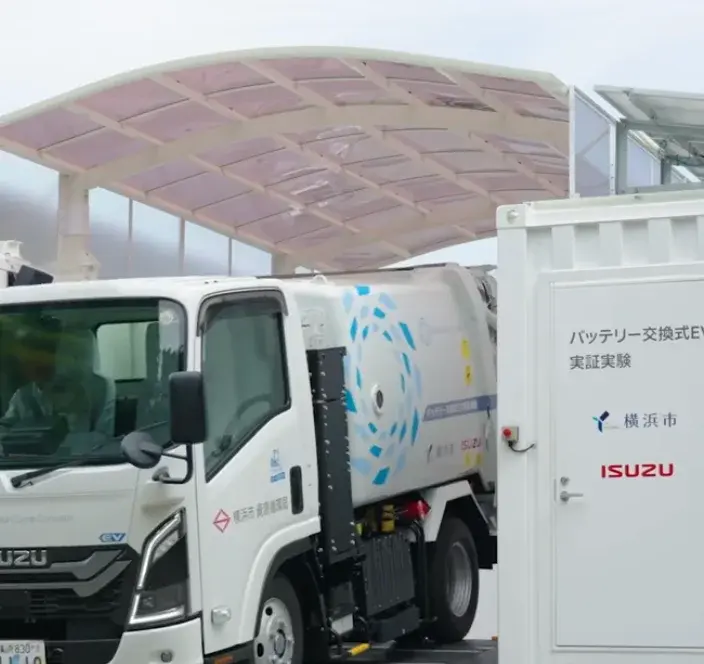
Isuzu’s “EVision Cycle Concept” redefines how energy is stored within the vehicle architecture. Instead of treating the battery as a permanent fixture, the system treats it as a modular, shareable asset. By swapping depleted units for fully charged ones in roughly three minutes, the trucks can remain in the field throughout the entire workday. 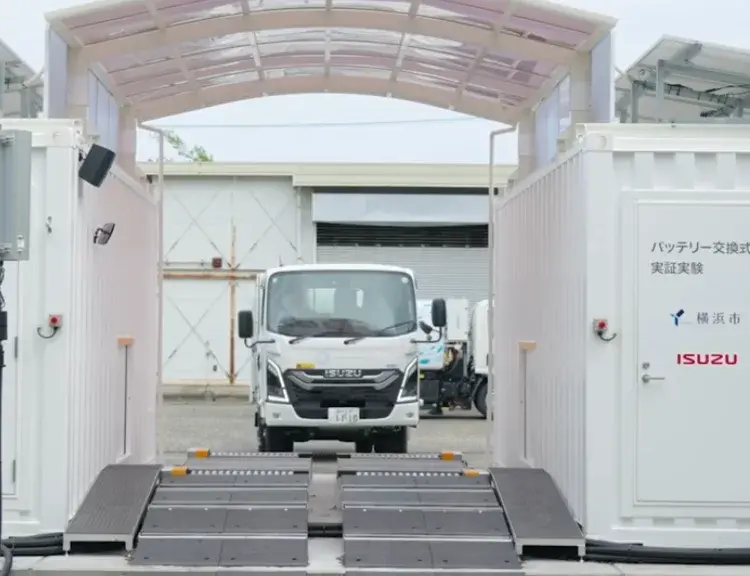
This rapid-swap capability allows municipal fleets to function with smaller battery packs, significantly lowering vehicle manufacturing costs.
Modular Energy Strategies Expand Across the Industry
Isuzu is not the only manufacturer exploring these modular solutions; companies such as Mitsubishi Fuso are also testing similar concepts with firms like Ample to improve the utility of their eCanter models. These collaborative efforts highlight an industry-wide recognition that charging speed is the primary barrier to the widespread adoption of heavy-duty electric transport. 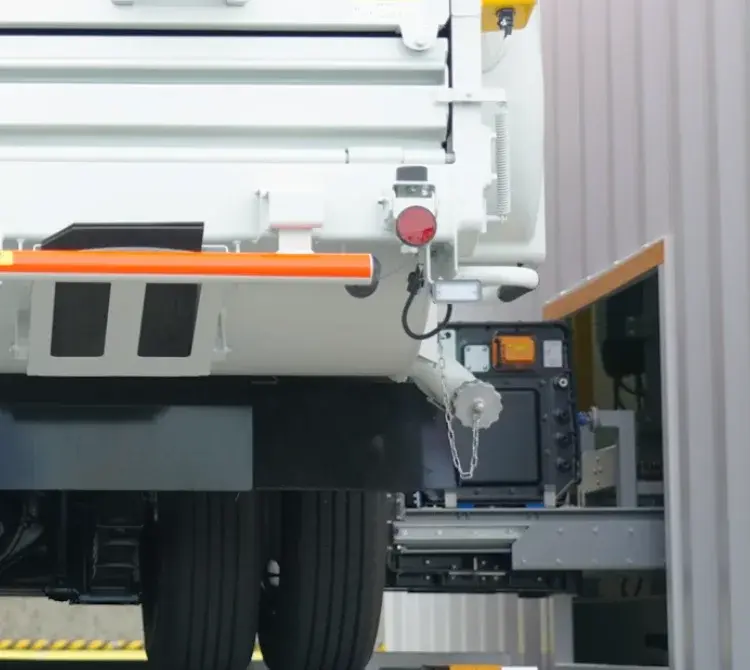
Beyond individual vehicle performance, centralized battery hubs offer broader advantages for power grid management. These hubs allow operators to charge batteries during off-peak hours, reducing strain on the electrical infrastructure. Furthermore, as battery modules degrade, they can be repurposed for stationary energy storage systems, contributing to a circular economy model. This initiative is a core component of Isuzu’s broader decarbonization strategy, which includes ongoing research into fuel-cell commercial vehicles conducted in partnership with Toyota.
Successful implementation of this swapping technology will likely trigger a transition toward its use in street sweepers and heavy construction equipment.
How do you believe rapid battery-swapping technology will reshape the future of urban municipal services and fleet management in your city? Please share your thoughts in the comments section below.
Your comment has been submitted,
it will be published after approval.