
Lenovo Develops New ThinkBook with Expandable OLED Screen Technology

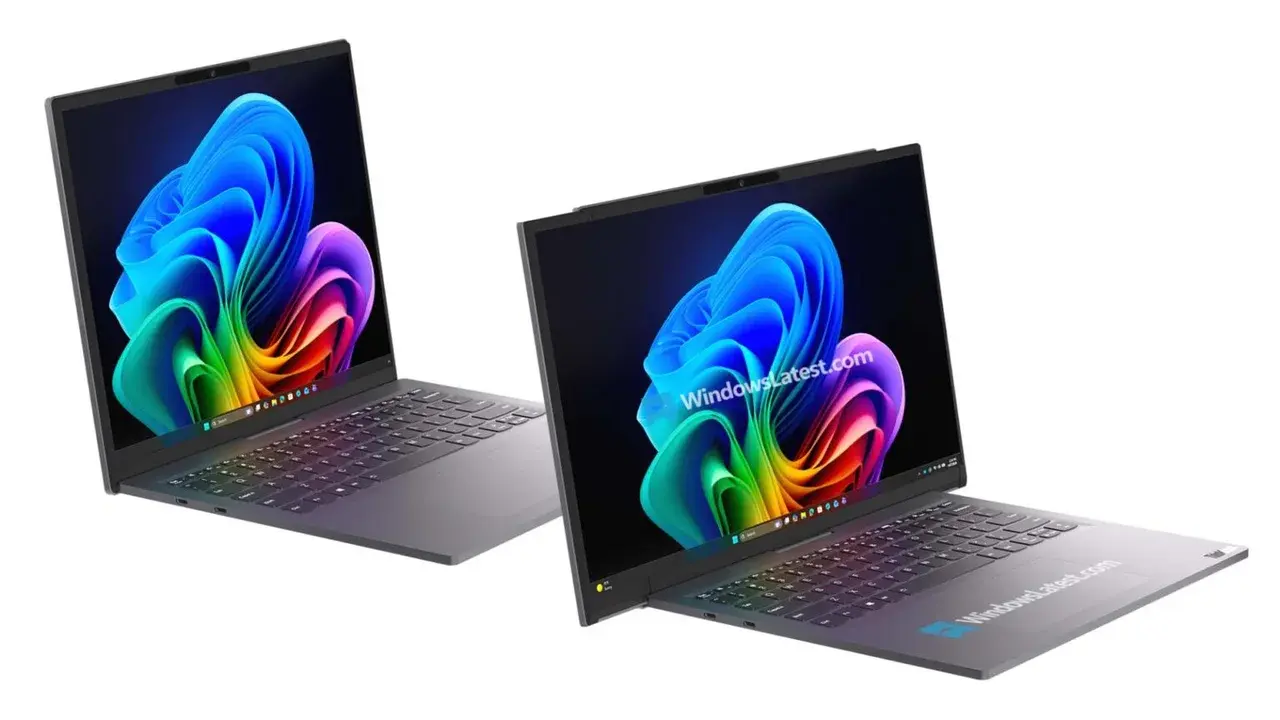
Lenovo is pushing the boundaries of laptop design as reports confirm the company is developing a new ThinkBook model featuring an innovative expandable display. According to details shared by Windows Latest, this internal initiative, codenamed Project Swan, utilizes flexible OLED technology to allow users to increase their screen real estate at the touch of a button. By expanding the display horizontally, the device aims to provide professional users with a versatile workspace that adapts to various multitasking demands. As Lenovo continues to explore the future of portable computing, this prototype represents a significant step toward making dynamic screen sizes a standard feature in high-end workstations.
- The Project Swan prototype utilizes flexible OLED technology to provide a horizontally expandable display.
- Lenovo designed this device to enhance professional productivity by offering an adjustable screen workspace.
- The company has not yet confirmed the final technical specifications or a potential commercial release date for this model.
Project Swan Redefines Portable Display Standards
The engineering behind the new ThinkBook focuses on a sleek and modern aesthetic despite the complexity of the moving parts. While the current prototype includes visible bezels surrounding the OLED panel, the overall build remains remarkably thin for a device capable of such drastic physical transformation. 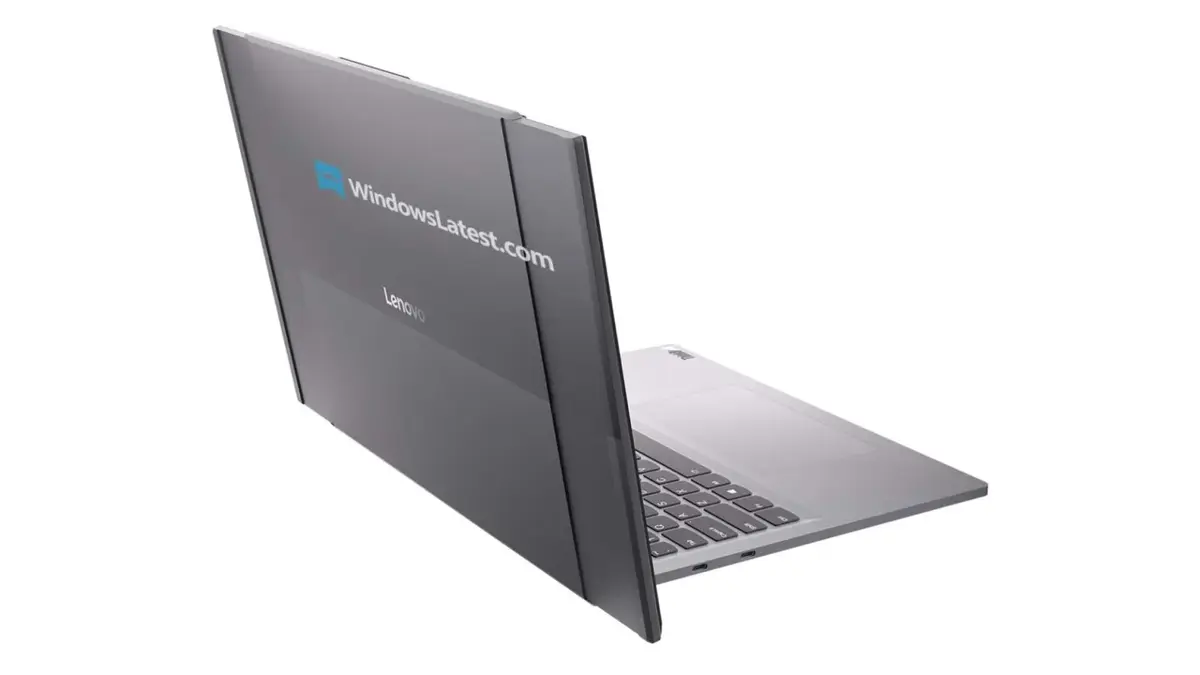
The integration of flexible display technology could fundamentally change how professionals manage mobile workflows.
Lenovo Aims for Increased Productivity Through Innovation
This development follows Lenovo’s previous experiments with vertically expanding laptop screens, reinforcing the company’s commitment to flexible hardware solutions. By iterating on these concepts, the manufacturer seeks to solve the common trade-off between device portability and the need for a large screen area during intensive tasks. 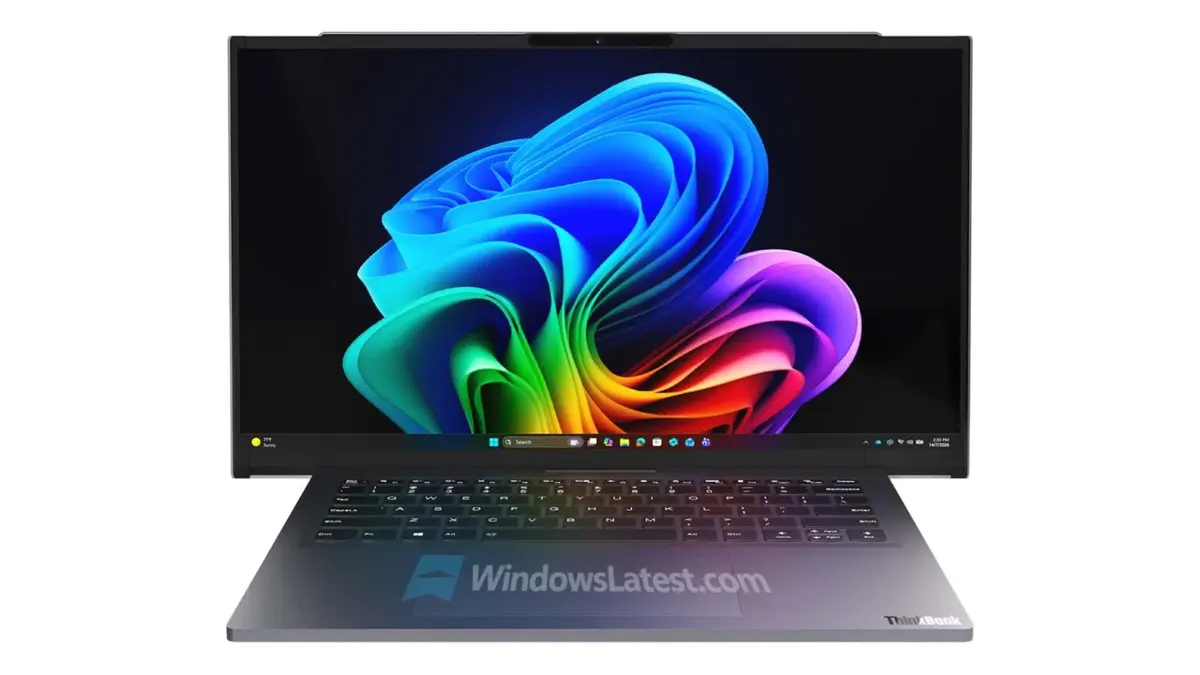
Technical specifications remain under wraps as the engineering team continues to test the durability and performance of the expanding mechanism. Whether this project moves from the laboratory to mass production depends on the successful resolution of these hardware challenges. 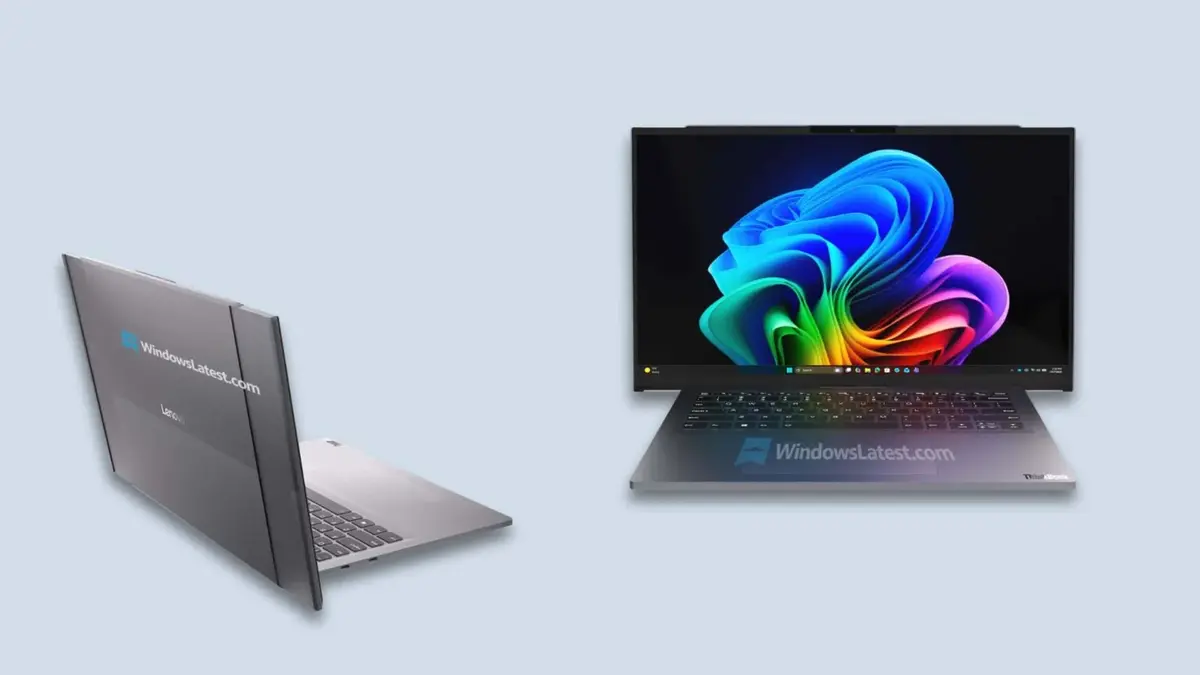
As the tech industry watches closely, the success of this project could signal a shift in how we perceive the limitations of standard laptop form factors. If perfected, the ability to expand a screen on demand would negate the need for secondary external monitors for many professionals on the move.
We would love to hear your thoughts on this potential evolution in laptop design; would you find an expandable screen useful for your daily work, or do you prefer traditional fixed displays? Please share your perspective in the comments section below.
Your comment has been submitted,
it will be published after approval.