
Lenovo Warns Memory Prices Will Remain High Through 2030

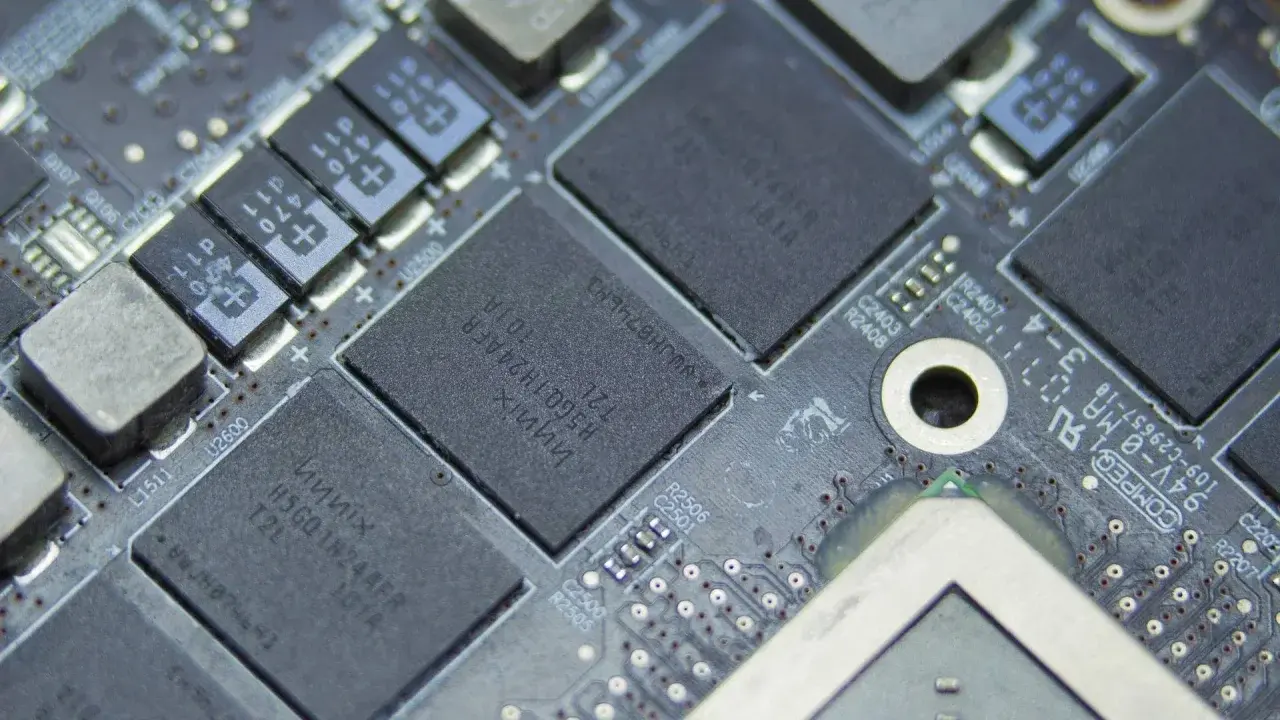
Lenovo has issued a sobering market forecast during the ISC 2026 event, warning that the global surge in memory prices has evolved into a permanent industry standard. The company projects that the costs associated with DRAM and NAND technologies will remain significantly elevated, with no expectation of returning to historical pricing levels until 2030 or beyond. Lenovo executives highlighted that the market volatility, which spiraled out of control during the third and fourth quarters of 2025, is now driven by a persistent supply-demand imbalance that current infrastructure investments struggle to rectify, effectively signaling the end of the era for affordable consumer electronics.
- Lenovo expects memory costs to remain elevated through 2030 due to persistent supply-demand imbalances.
- Major manufacturers including Micron, Samsung, and SK Hynix face ongoing challenges in meeting global demand.
- SK Hynix plans to triple its production capacity by 2030 to mitigate supply shortages.
- Rising component prices impact the final retail costs of smartphones, gaming consoles, and personal computers.
Memory Prices Are Entering a Permanent High-Cost Era
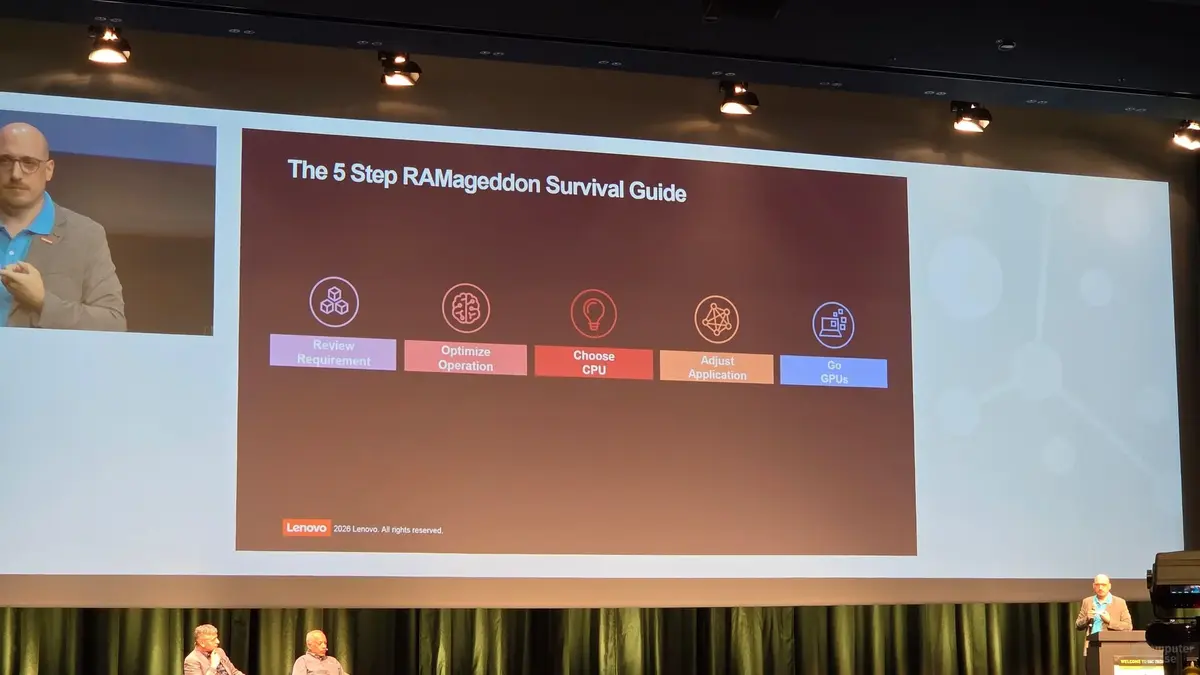
The tech industry is currently grappling with what some analysts refer to as a “RAMageddon” scenario, characterized by restricted supply and soaring costs. Industry giants such as Micron, Samsung, and SK Hynix have openly admitted that the current market dynamics have exceeded their operational control. While these high prices have bolstered the profit margins of semiconductor manufacturers, they have simultaneously imposed a heavy financial burden on consumers and hardware assemblers worldwide.
The era of inexpensive technological hardware has effectively come to an end.
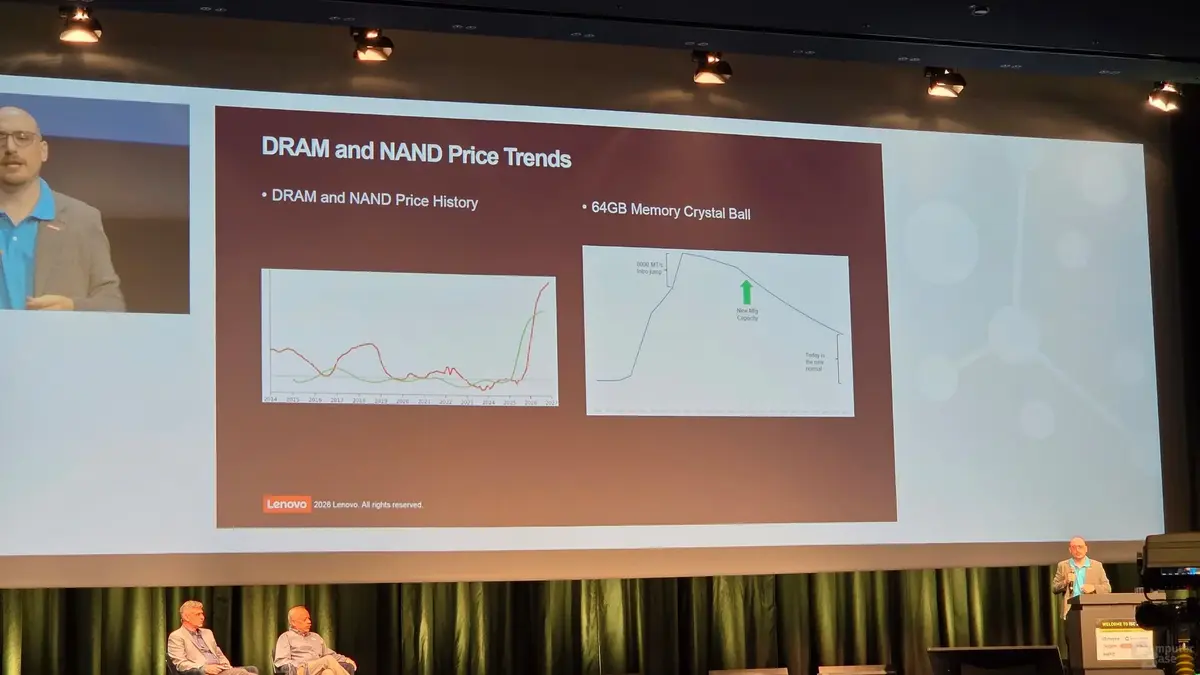
Data presented by Lenovo suggests that the upward trajectory of SSD and memory module pricing is not merely a temporary fluctuation but a structural shift in the global economy. This shift forces a re-evaluation of pricing strategies across the entire tech ecosystem. Since memory and storage components serve as fundamental building blocks for modern mobile devices, laptops, and high-performance gaming consoles, the impact of these sustained price levels is universal, affecting virtually every category of consumer electronics.
Production Capacity Increases Are Challenged by Global Demand
In response to the supply crunch, manufacturers are aggressively expanding their manufacturing footprints. SK Hynix, for example, has accelerated its long-term roadmap, aiming to bring its 2040 production capacity targets forward to 2030. By tripling its output, the company hopes to stabilize the market. However, sector analysts remain skeptical about whether even such massive capacity expansions can satisfy the insatiable appetite for memory in the artificial intelligence and data center sectors.
Manufacturers like Micron have reported that even their most strategic and high-priority customers are facing significant difficulties in securing sufficient inventory. This supply scarcity underscores the severity of the crisis, as the industry struggles to keep pace with the digitalization of global infrastructure. Consequently, the reliance on high-cost components is expected to remain a defining feature of hardware manufacturing for years to come.
Consumers must prepare for a future where hardware costs will not decline.
As the industry moves forward, it becomes clear that the current high-price environment is the new baseline for tech procurement. Rather than waiting for a return to previous market conditions, stakeholders are being advised to adapt their long-term financial planning to accommodate these persistent cost structures.
How do you feel about the long-term trend of rising hardware costs and its impact on your future device purchases? Share your thoughts and predictions in the comments section below.
Your comment has been submitted,
it will be published after approval.