
LG Denies Spying Allegations After Security Analysis Reveals Data Risks

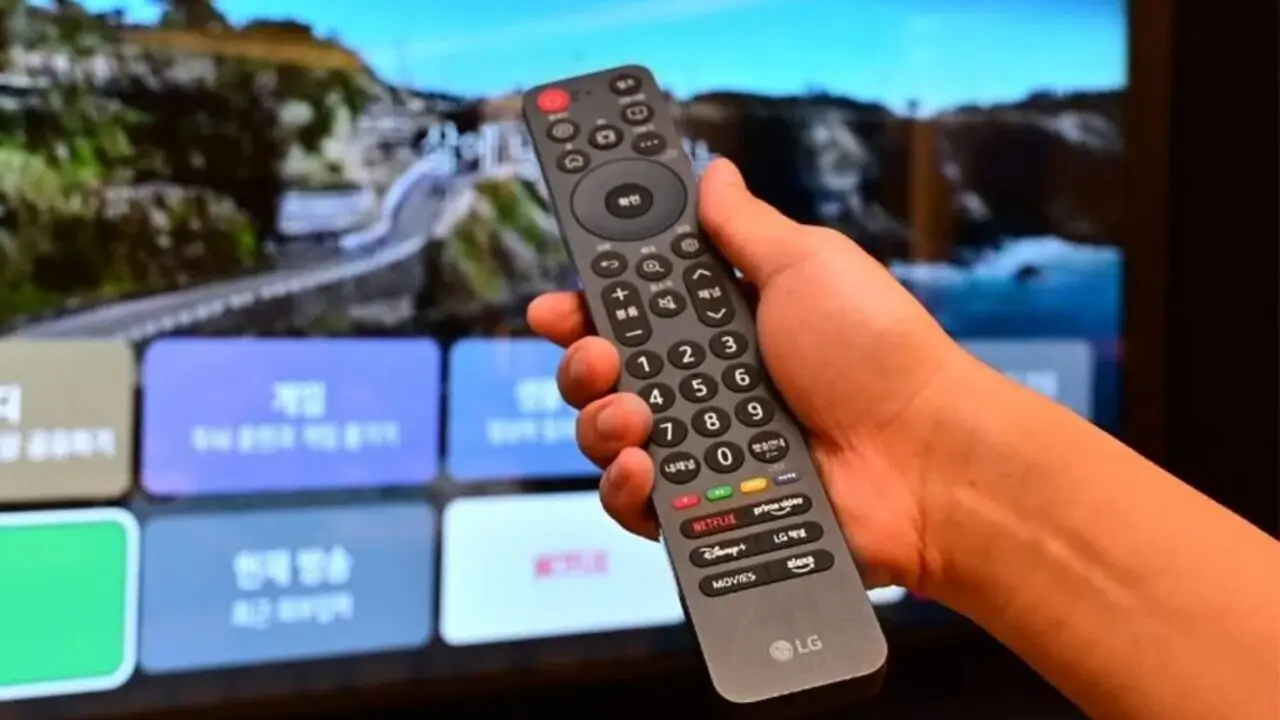
Tech giant LG Electronics has officially responded to intense scrutiny following a comprehensive security report from Gamers Nexus, which alleged that the company’s smart TVs were secretly recording user conversations and harvesting extensive data. The investigation, involving deep packet analysis, suggests that millions of LG smart devices have been aggressively monitoring user habits and mapping local network infrastructure. LG has firmly denied the accusations regarding unauthorized audio recording, stating that their devices do not capture or transmit ambient conversations to external servers. However, the manufacturer has acknowledged that its televisions routinely scan local area networks to identify connected IoT devices, claiming this is a standard industry practice for ensuring ecosystem compatibility.
- LG categorically denies claims that its smart televisions record ambient audio without explicit user consent.
- The company confirmed that its devices perform local network scans to facilitate seamless connectivity between smart home hardware.
- Security researchers identified concerns regarding unencrypted data logs and potential privacy risks for over 200 million active units globally.
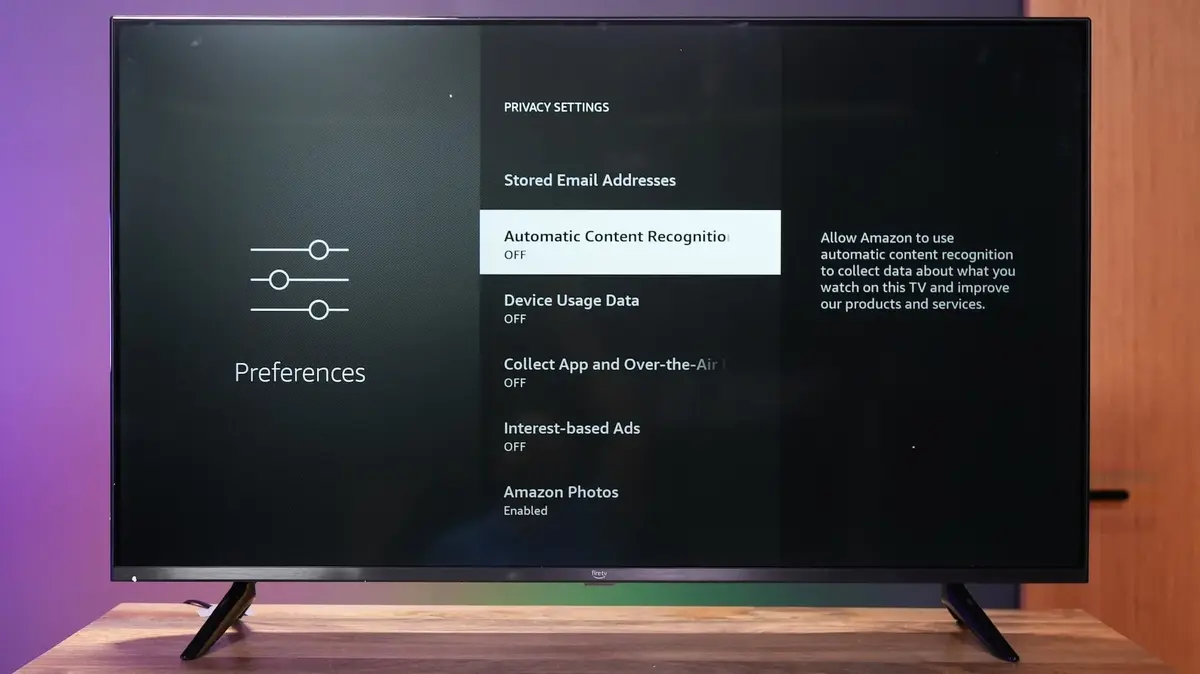
- Automated Content Recognition features remain optional and require direct user activation according to the manufacturer.
Gamers Nexus Report Highlights Security Vulnerabilities
The controversy stems from an in-depth technical analysis conducted by Gamers Nexus, which scrutinized the firmware and network behavior of LG smart televisions. The report indicates that approximately 216 million active units might be tracking user activity with excessive granularity. Beyond the allegations of constant audio monitoring, the researchers highlighted that the hardware maps all devices connected to the same Wi-Fi or Ethernet network. Perhaps most concerning to privacy advocates is the claim that certain system logs and text transcripts are stored in plain text, potentially leaving sensitive information vulnerable to unauthorized access.
LG Clarifies Audio Processing Protocols
In its official rebuttal, LG emphasized that voice processing is strictly restricted to two specific user-initiated scenarios. The company stated that the microphone system activates only when a user holds the physical button on the remote control or when the hands-free “Hi LG” wake-word is explicitly triggered after being enabled in the settings menu. LG clarified that while the device listens for the wake-word while in standby mode, this process occurs entirely on-device. Audio data is discarded immediately if the specific command is not detected, ensuring that private conversations are never transmitted to the company’s servers.
Network Scanning Remains a Standard Feature
Regarding the widespread concern over local network scanning, LG maintained that this behavior is a functional necessity rather than a security oversight. The company explained that modern smart home environments rely on device discovery protocols to allow televisions to communicate with smartphones, printers, and computers. LG defended this as an essential feature for maintaining the functionality of its smart home ecosystem. Furthermore, the company addressed the Automated Content Recognition (ACR) technology, noting that it is an opt-in feature used for personalized advertising, which remains inactive unless the user provides explicit consent during the initial setup process.
Technical Concerns Persist Among Privacy Experts
Despite the official response from LG, several technical questions raised by the Gamers Nexus investigation remain unanswered. The company’s statement failed to address the specific allegations regarding the storage of unencrypted system logs. As the smart TV market continues to evolve, the tension between providing personalized user experiences and maintaining rigorous data security standards is likely to intensify. Users are encouraged to remain vigilant about their privacy settings and the permissions granted to their connected home appliances.
How do you feel about the data collection practices of modern smart home devices, and will this report change how you manage your TV settings? Please share your thoughts in the comments section below.
Your comment has been submitted,
it will be published after approval.