
Major Japanese Automakers Join Forces to Reduce Production Costs

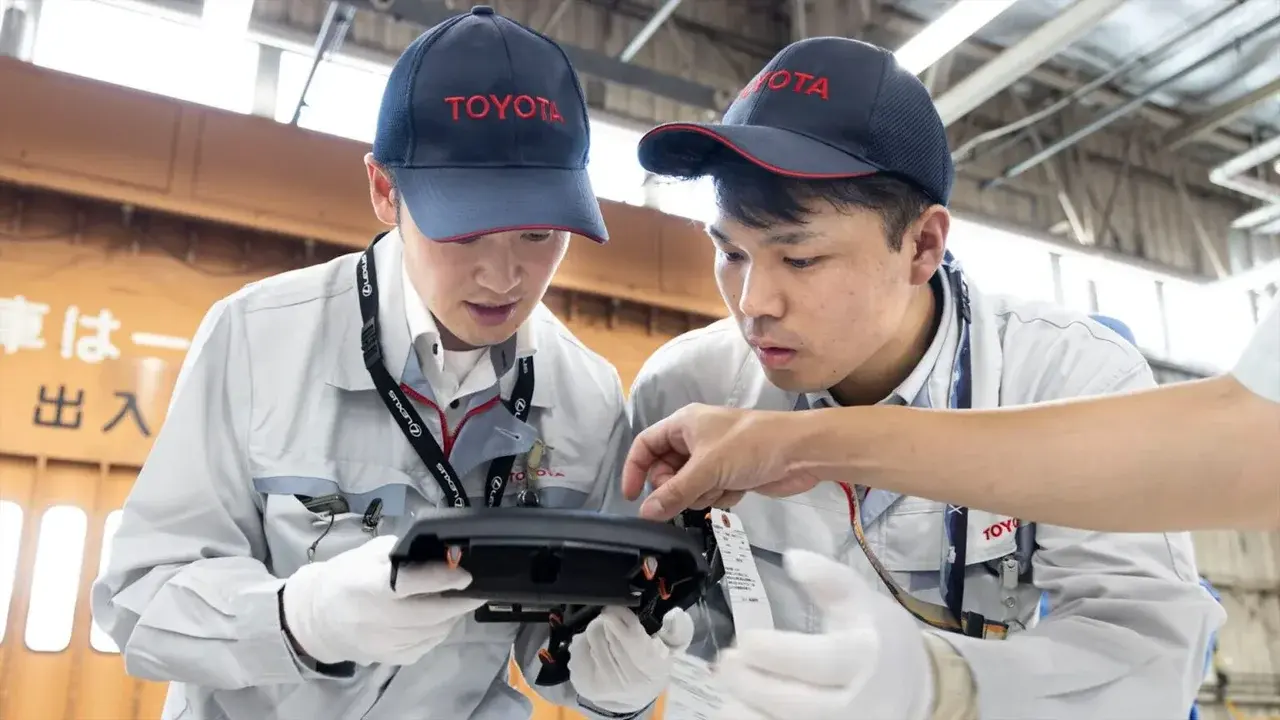
In a strategic move to bolster global competitiveness, major Japanese automotive manufacturers including Toyota, Honda, Mazda, Suzuki, and Mitsubishi have initiated a collaborative effort to lower production costs. This partnership, solidified during a late July meeting at Toyota’s Tahara factory, focuses on the implementation of the Smart Standard Activity (SSA) program, which was originally launched by Toyota in 2017 to optimize operational efficiency. By aligning their manufacturing strategies, these industry giants aim to combat rising costs and supply chain pressures, signaling a significant shift in how these traditionally independent competitors approach their production standards and resource management.
- Toyota, Honda, Mazda, Suzuki, and Mitsubishi have formed a strategic alliance to optimize production processes and reduce manufacturing expenditures.
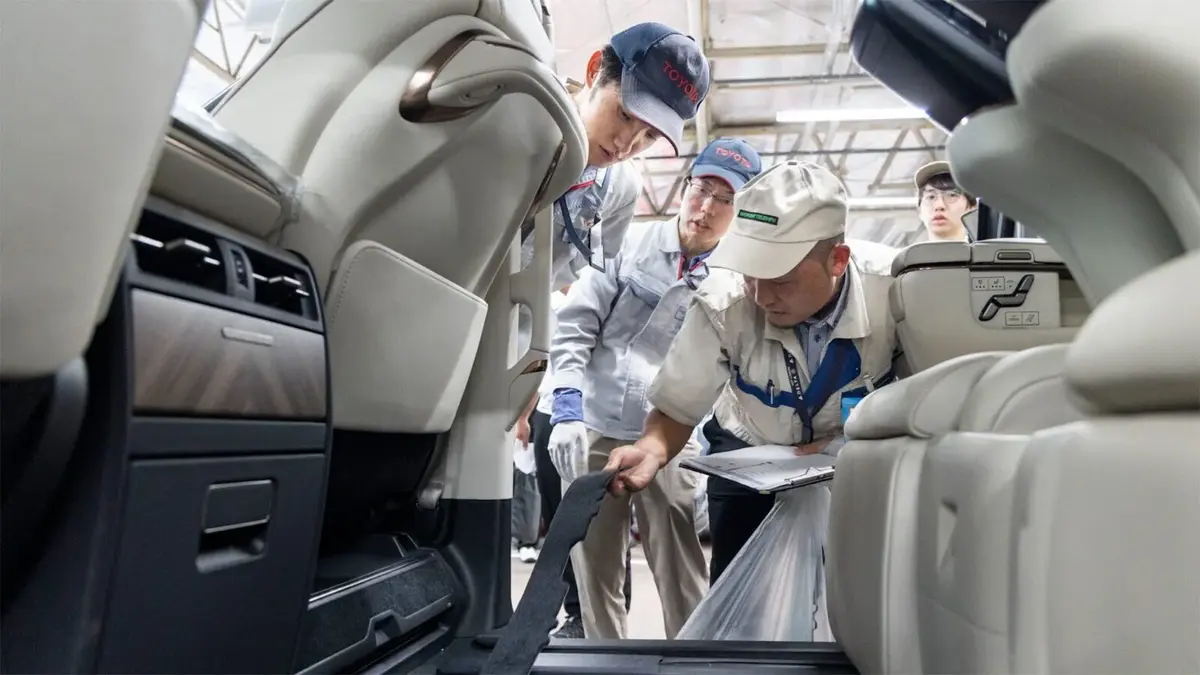
- The collaboration utilizes the Smart Standard Activity program to eliminate waste caused by overly rigid quality control standards.
- Industry leaders aim to enhance supply chain resilience to better compete with rising pressure from Chinese automotive manufacturers.
- The strategy involves adopting a more flexible approach to cosmetic defects that do not impact vehicle performance.
Efficiency Gains Are Being Prioritized Over Rigid Standards
The recent summit brought together top industry professionals to deliberate on the future of automotive manufacturing. Unlike typical competitive forums, this gathering focused strictly on refining production techniques and recalibrating quality assessment protocols. A primary point of discussion was the issue of excessive waste, where components were frequently discarded due to minor cosmetic imperfections that are entirely invisible to the end consumer. 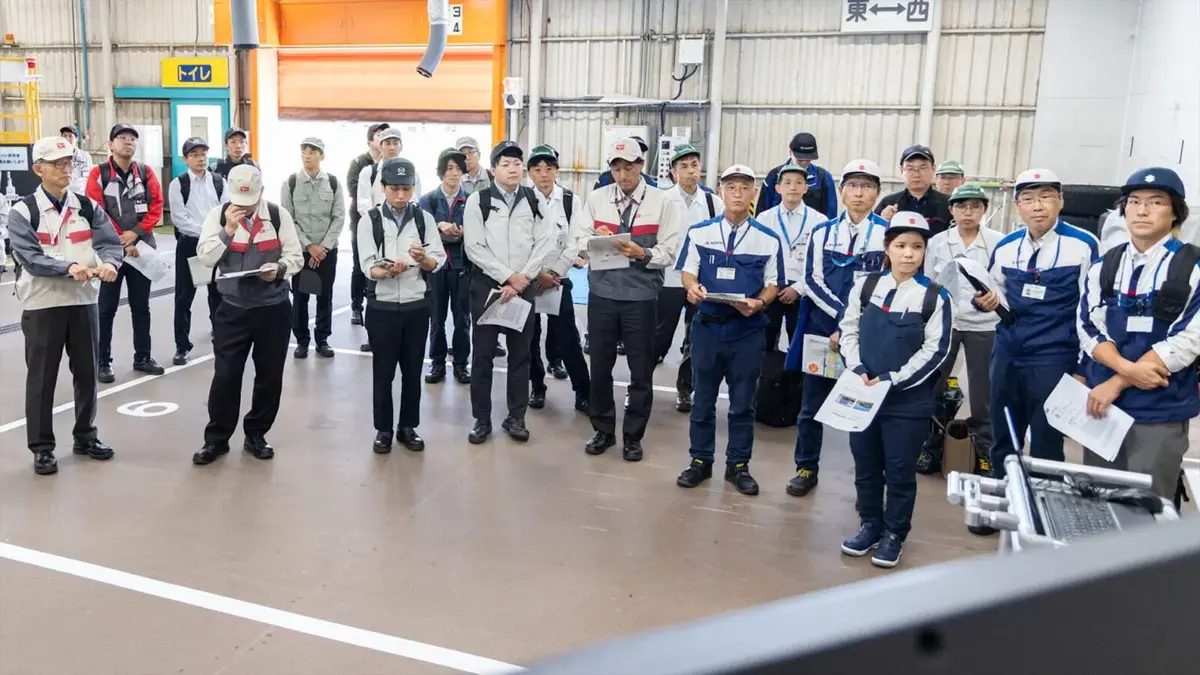 By relaxing these subjective requirements, the companies intend to streamline production lines and significantly reduce material wastage, which has historically inflated vehicle development budgets.
Supply Chain Resilience Is Being Strengthened Against Global Rivals
The Japanese automotive sector is facing increased pressure from international competitors, particularly those from China. 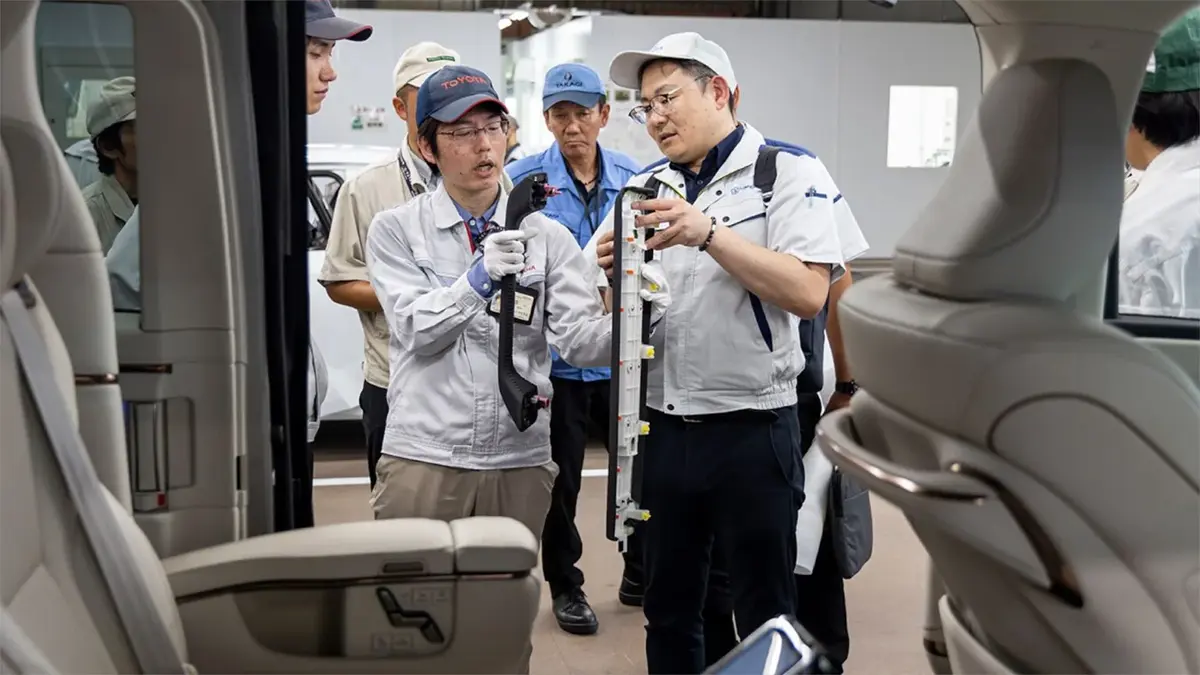 To maintain their market position, these manufacturers are adopting a more flexible approach to their supply chain and component procurement processes. Leaders within the industry argue that acting independently is no longer a viable strategy in the current economic landscape.
  By fostering deep collaboration, they hope to shorten development cycles and create a more agile framework that allows for rapid adaptation to market shifts and technological advancements.
Corporate Leadership Is Driving a Shift in Quality Philosophy
Former Toyota CEO Koji Sato previously highlighted that overly stringent quality control standards were causing unnecessary operational bottlenecks. These rigid protocols often led to equipment downtime and prolonged development phases, which ultimately hindered the company’s ability to innovate at pace.  Current leadership, including new CEO Kenta Kon, has echoed these concerns, suggesting that existing profit margins do not accurately reflect the company’s operational potential. By reassessing the necessity of perfection for non-functional parts, the group aims to improve overall profitability without compromising the safety or reliability that Japanese vehicles are known for globally.
Do you believe that relaxing cosmetic quality standards will provide Japanese automakers with the necessary competitive edge against global rivals, or could it impact brand reputation in the long run? Share your thoughts in the comments section below.
Your comment has been submitted,
it will be published after approval.