
Mazda Shifts Strategy With New Touchscreen Design in 2026 CX-5

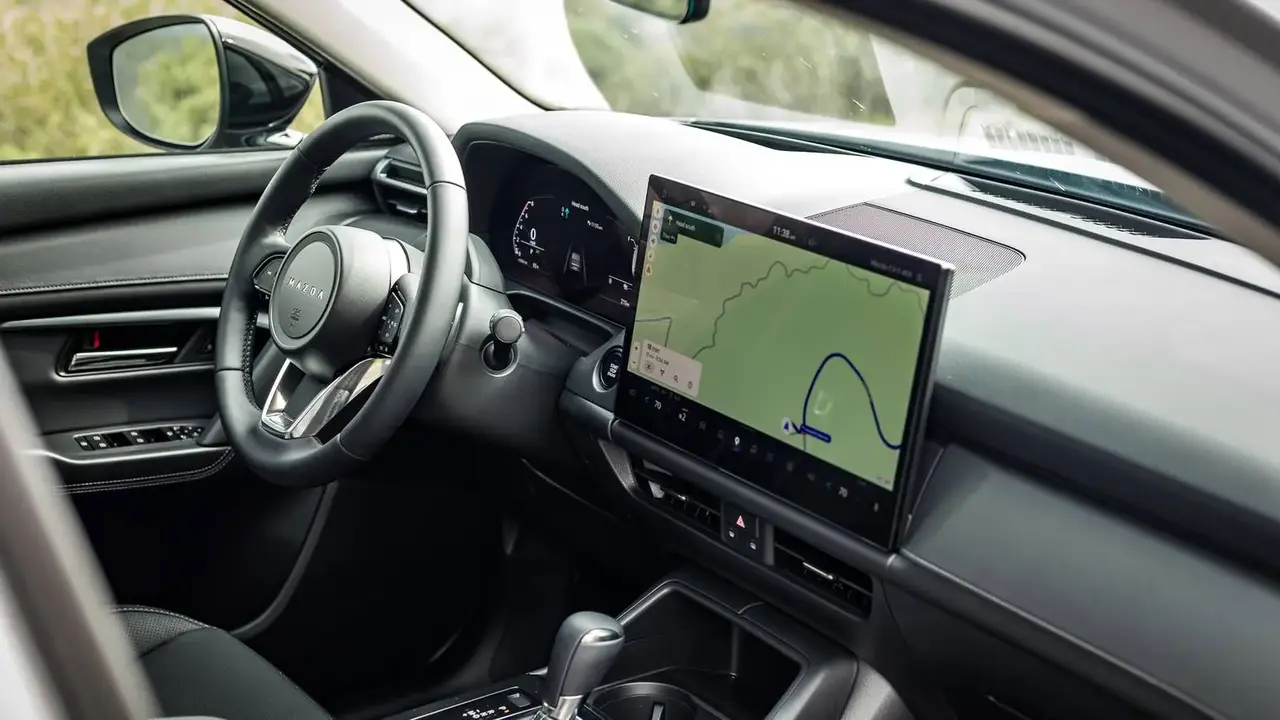
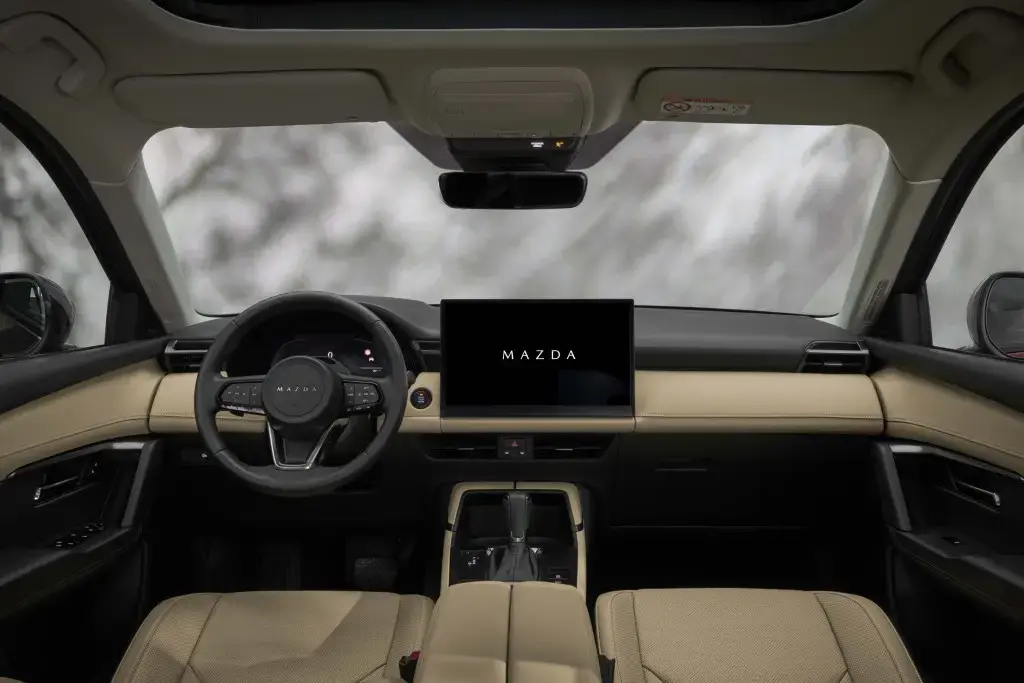
In a surprising shift for the automotive industry, Japanese manufacturer Mazda has officially announced a move toward large-scale digital interfaces, marking a departure from its long-standing commitment to tactile, physical controls. The 2026 Mazda CX-5, unveiled recently, features a sprawling horizontal digital panel that replaces nearly all traditional buttons for climate and audio settings, similar to modern Tesla designs. While the brand previously prioritized physical knobs to minimize driver distraction, company executives now argue that this new Mazda touchscreen architecture enhances safety by centralizing vehicle management within a single, streamlined interface.
- Mazda has introduced a large digital touchscreen in the 2026 CX-5 model to replace traditional physical buttons.
- Company officials argue that centralized digital controls reduce the cognitive load associated with searching for physical switches.
- The brand remains open to reintroducing physical controls if consumer feedback indicates significant usability issues.
Digital Screens Improve Road Safety According to Executives
Mazda official Yamaguchi challenges the conventional wisdom that physical buttons are inherently safer for drivers. According to the brand’s research, managing a cockpit filled with dozens of nearly identical switches forces drivers to look away from the road for extended periods. By consolidating these functions into a single, intuitive digital display, the company aims to keep the driver’s focus fixed on the driving environment rather than the center console.
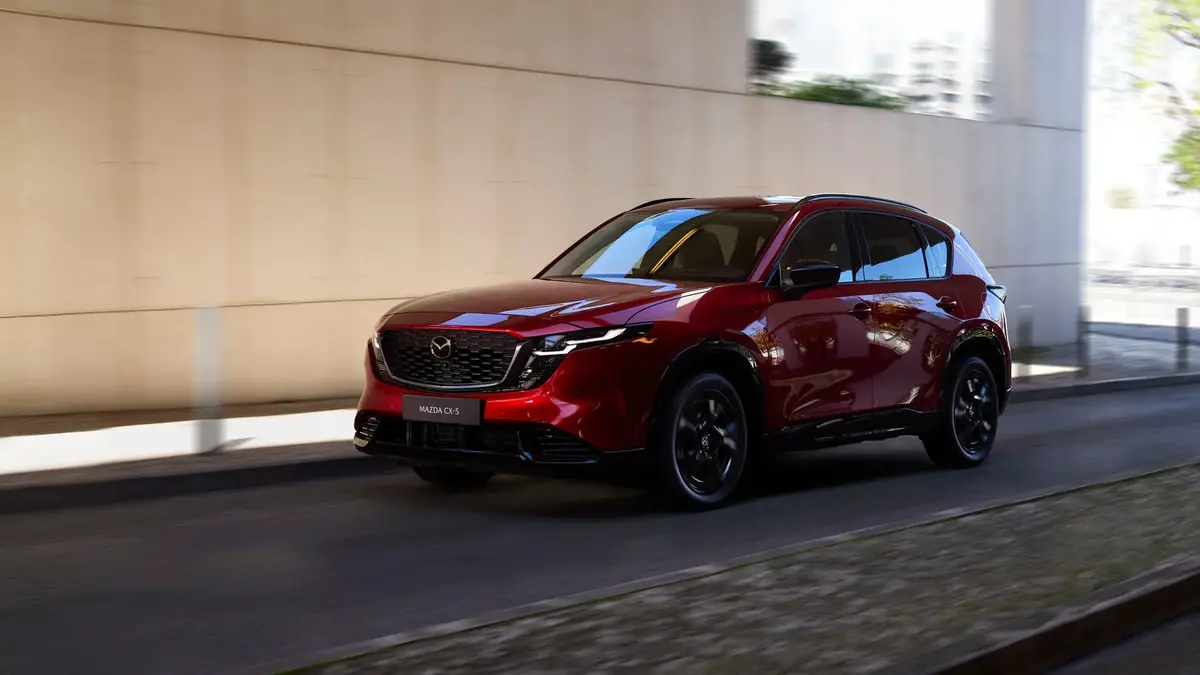
Mazda is betting on digital innovation to redefine the standard for cabin ergonomics and safety.
Market Trends Influence Design Decisions
The decision to pivot toward a tech-heavy interior was largely driven by extensive market research conducted in North America. Data suggests that a growing segment of consumers now views large, high-resolution screens as an essential feature of modern vehicle ownership. This shift reflects a broader industry trend where software integration often outweighs the preference for mechanical tactile feedback.
Flexibility Remains Part of the Brand Strategy
Despite this bold move toward the new Mazda touchscreen layout, the manufacturer insists it is not ignoring its core customer base. Executives have stated that they are closely monitoring user feedback regarding the 187-horsepower CX-5 and its interface. If the practical implementation of these digital controls leads to widespread dissatisfaction, the company is prepared to consider a return to physical buttons in future iterations of its vehicle lineup.
The industry now watches closely to see if Mazda’s digital-first approach will satisfy its loyal driver base.
We are eager to hear your thoughts on this design evolution; would you prefer the clean look of a touchscreen or the reliable feel of physical buttons in your next vehicle?
Your comment has been submitted,
it will be published after approval.