

Metroid Prime 4, one of the most ambitious titles for the Switch 2 console, is examined in detail in this review. Retro Studios not only surpasses the high bar set by its predecessors but also takes risks that will surprise the series’ loyal fan base. Innovations such as Samus’s new motorcycle and his talkative companions are noteworthy, and the impact of these changes on the game’s overall structure is being discussed.
Metroid Prime 4 Review and Technical Details
Metroid Prime 4: Beyond is the greatest proof of the Switch 2’s power. While delivering 4K images to televisions in quality mode, the game offers seamless performance at 60 frames per second. The game’s technical infrastructure provides a fluid experience with both mouse mode and Pro Controller and motion controls.
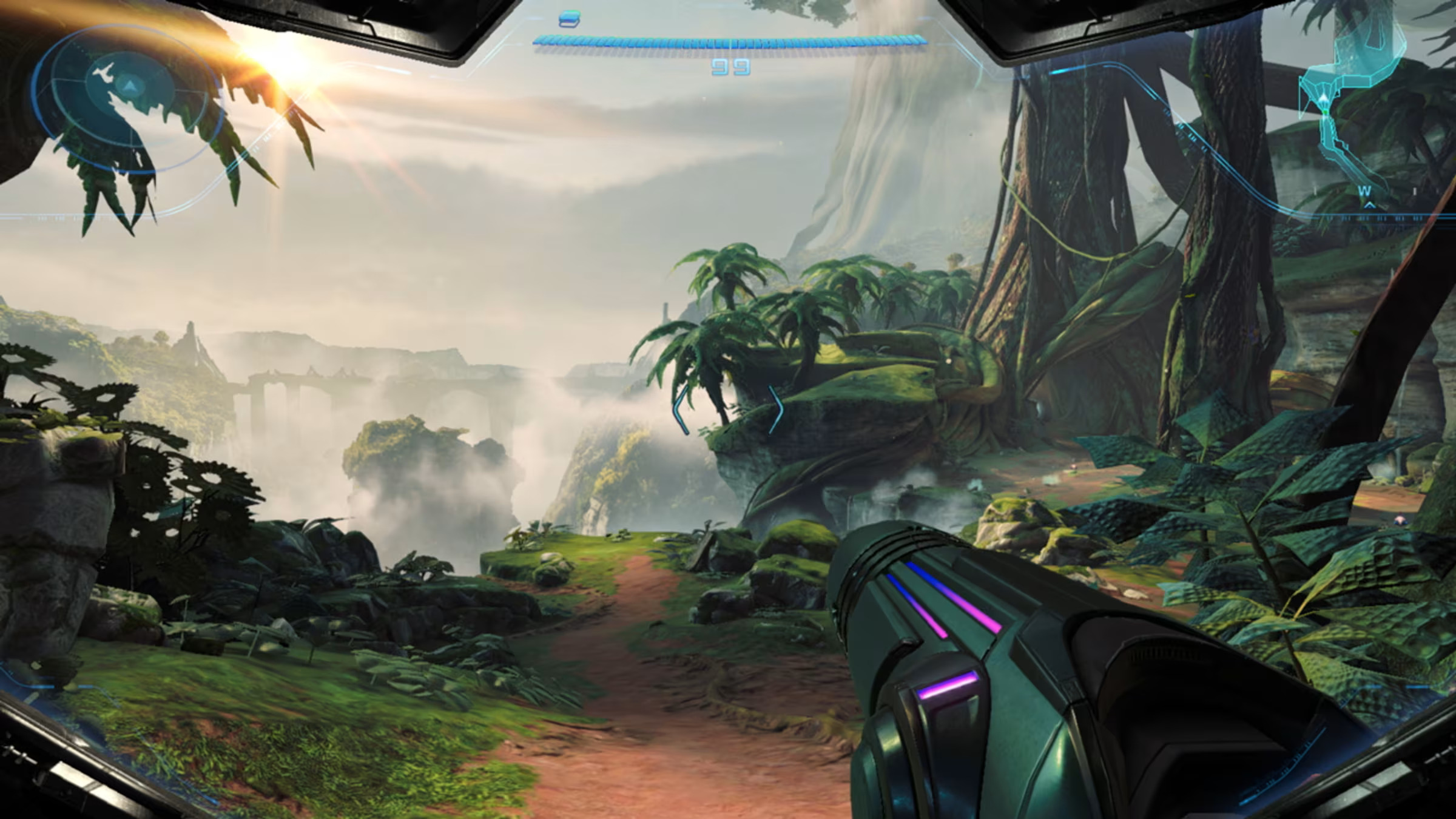
The game’s presentation is almost flawless, except for some low-quality enemy designs. Lighting effects and particle details enhance the atmosphere, especially in the opening battle. Samus’s armor interacts with the surrounding light and shadows; the most realistic facial animations seen in Nintendo games are presented to players in this title.
Backtracking is a major part of Prime 4’s gameplay foundation. While teleportation plays a significant role in the story, fast travel is not available on the planet Viewros. If you go to the wrong area, you have to traverse the vast desert again. While this is a plus for those who enjoy the classic gameplay, it might be challenging for some players by 2025 standards.
However, the game boasts the most advanced controls and sound design ever offered by a Prime game. Samus is mostly explored alone; however, stranded soldiers encountered in each biome contribute to the storytelling.
Characters like Miles McKenize, while changing the series’ usual theme of solitude, serve as guides for new players. Miles occasionally provides directions from his base. This is a welcome change for veteran players who prioritize exploration.
One of the biggest innovations in the game is the Vi-O-La motorcycle. This vehicle is used in the “Sea of Sand” desert, similar to Hyrule Field in Ocarina of Time. While interaction in the desert is initially limited, the importance of this area and motorcycle use increases as the game progresses.
Metroid bosses bear similarities to the Legend of Zelda series, and Prime 4 lives up to expectations in this regard. The massive monsters are designed not just as enemies, but also as puzzles to be solved. Each has its own unique attack sets and multiple stages.
However, Samus’s new “psychic abilities” don’t create the expected impact. Offered with the promise of opening doors and controlling mechanisms, this power is slow in practice. Often, missiles or charged shots offer a more practical solution, so the use of this ability falls short.
So, what are your thoughts on Metroid Prime 4? Share your opinions with us in the comments!