
Microchip Technology for Toy Poodle and Pomeranian Owners

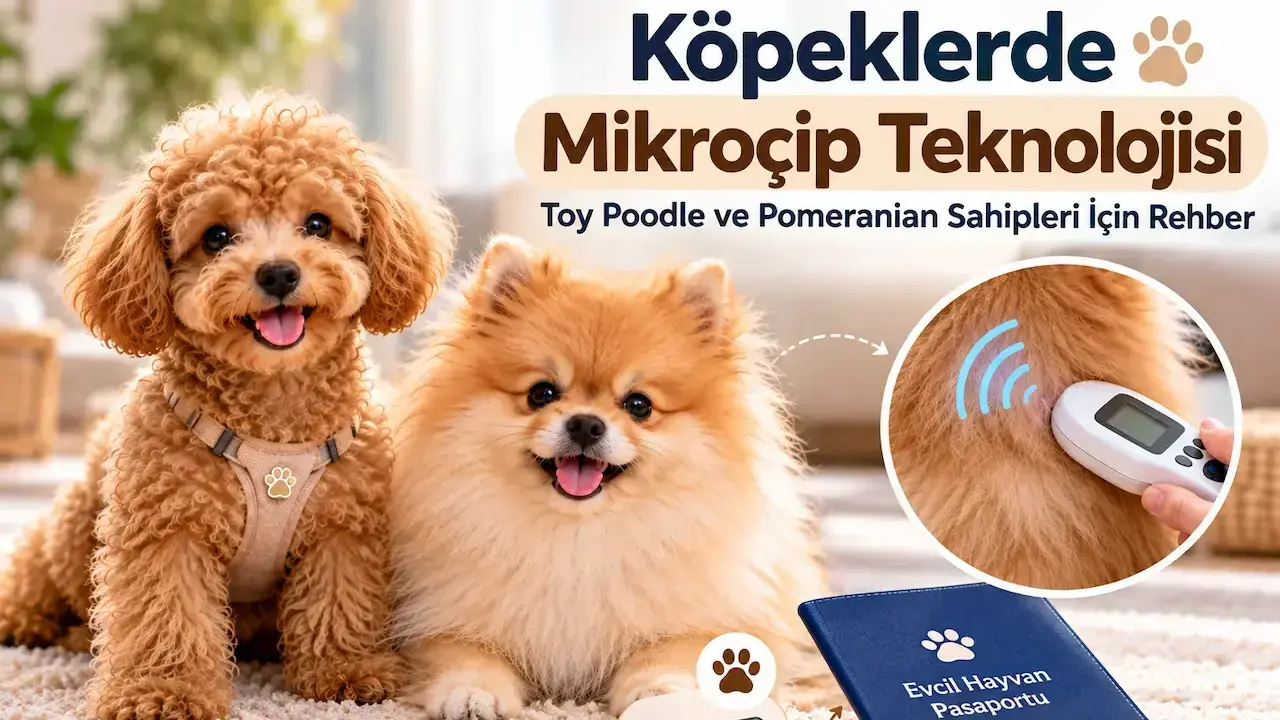
Microchip technology serves as a vital electronic identification system for dogs, ensuring that pets are securely registered through a unique identification number embedded under the skin. This permanent method allows veterinarians and authorities to scan for a specific ID number that links to an official database, facilitating the recovery of lost animals. For owners of small breeds such as the Toy Poodle and Pomeranian, this technology provides an essential security layer. While often confused with GPS tracking, a microchip acts as a reliable, long-term identity verification tool that remains effective throughout the dog’s life, supporting both legal compliance and pet safety during the adoption process.
- The microchip provides a unique, permanent identification number that is scanned by veterinary professionals to confirm pet ownership.
- Official registration in the PETVET system remains a mandatory requirement for dog owners in Turkey to ensure legal compliance.
- Microchips function as identification tools and do not provide real-time GPS tracking for lost pets.
- Small breeds like Toy Poodles and Pomeranians receive the same standardized, safe microchip application as larger dogs.
Understanding How Microchip Technology Operates
The microchip relies on Radio Frequency Identification (RFID) technology to communicate with specialized scanners. Measuring roughly the size of a grain of rice, the chip contains no battery and does not emit a constant signal. When a scanner is passed over the animal’s shoulder area, it activates the chip via a radio wave, which then transmits the unique identification number to the device’s display.
Because the chip is passive, it requires no maintenance or charging, making it a permanent solution for identifying pets. It is important to note that the chip itself stores only the ID number, while the owner’s contact details and the animal’s medical history are stored in a centralized, secure database.
The Necessity of Microchips for Small Breeds
Owners of popular small breeds often wonder if their pets are suitable for this procedure. Toy Poodles and Pomeranians, despite their petite size, are excellent candidates for microchipping. Since these dogs are curious and active, the risk of them wandering off or becoming separated from their owners is real. A microchip ensures that if a dog is found and taken to a clinic, its origin and ownership can be verified instantly.
Veterinarians typically perform this procedure quickly, often during a routine visit. While the process involves a simple injection, it is crucial that a qualified professional determines the appropriate site and ensures the animal’s health status allows for the procedure. For Pomeranian owners, the dog’s thick coat poses no obstacle to the functionality of the chip, as it is placed securely beneath the skin.
Distinguishing Between Microchips and GPS Devices
Many owners frequently confuse microchips with GPS trackers. It is critical to understand that a microchip does not provide real-time location data. A GPS device, by contrast, requires a battery, a cellular connection, and often a subscription to track a dog’s movements live on a smartphone. While a microchip is a permanent, non-powered identification tool, a GPS collar is an active, external accessory that can be lost or removed.
Compliance with Legal Registration Requirements
In Turkey, the PETVET system serves as the official registry for domestic animals. By law, owners must ensure their pets are chipped and registered to meet government standards. As of 2026, regulations emphasize the importance of registering young animals within the first six months of life to avoid potential penalties. Keeping contact information updated in this system is just as important as the initial implantation of the chip.
Have you already had your Toy Poodle or Pomeranian microchipped, or are you considering it for your new puppy? Share your experiences and questions about pet identification in the comments section below.
Your comment has been submitted,
it will be published after approval.