
Microsoft Defender Ranked Lowest in Independent Antivirus Security Tests

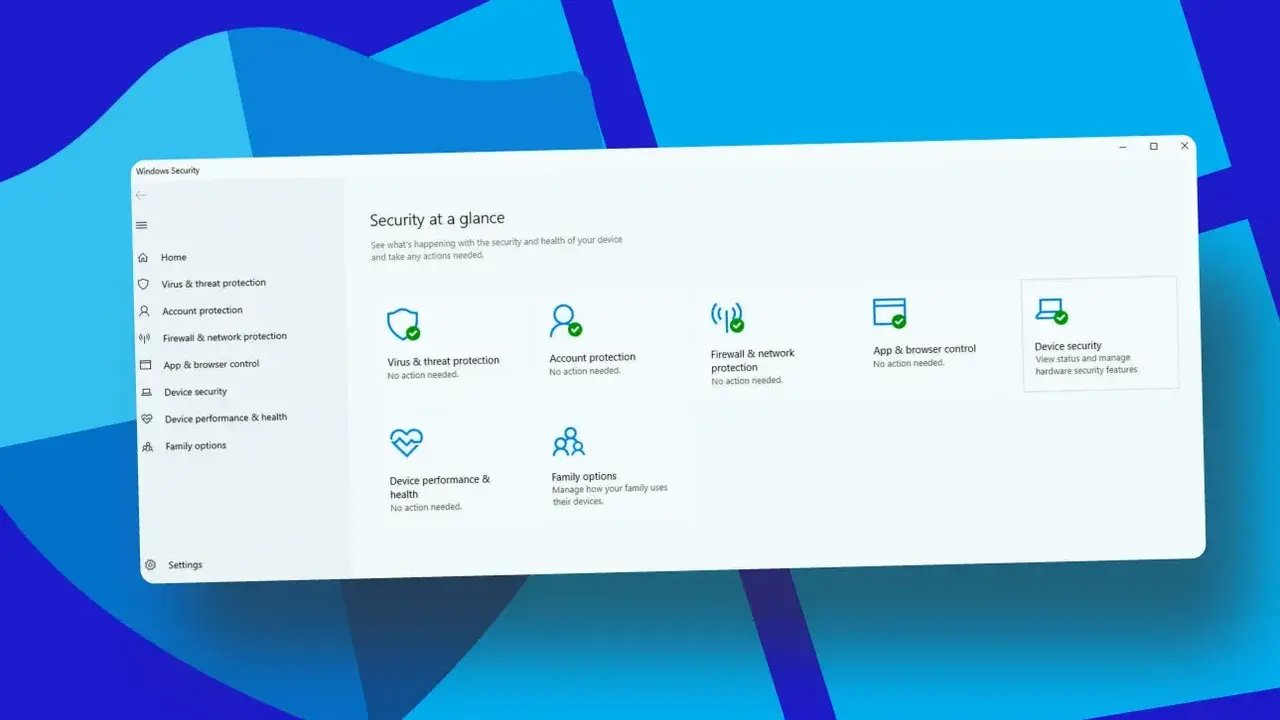
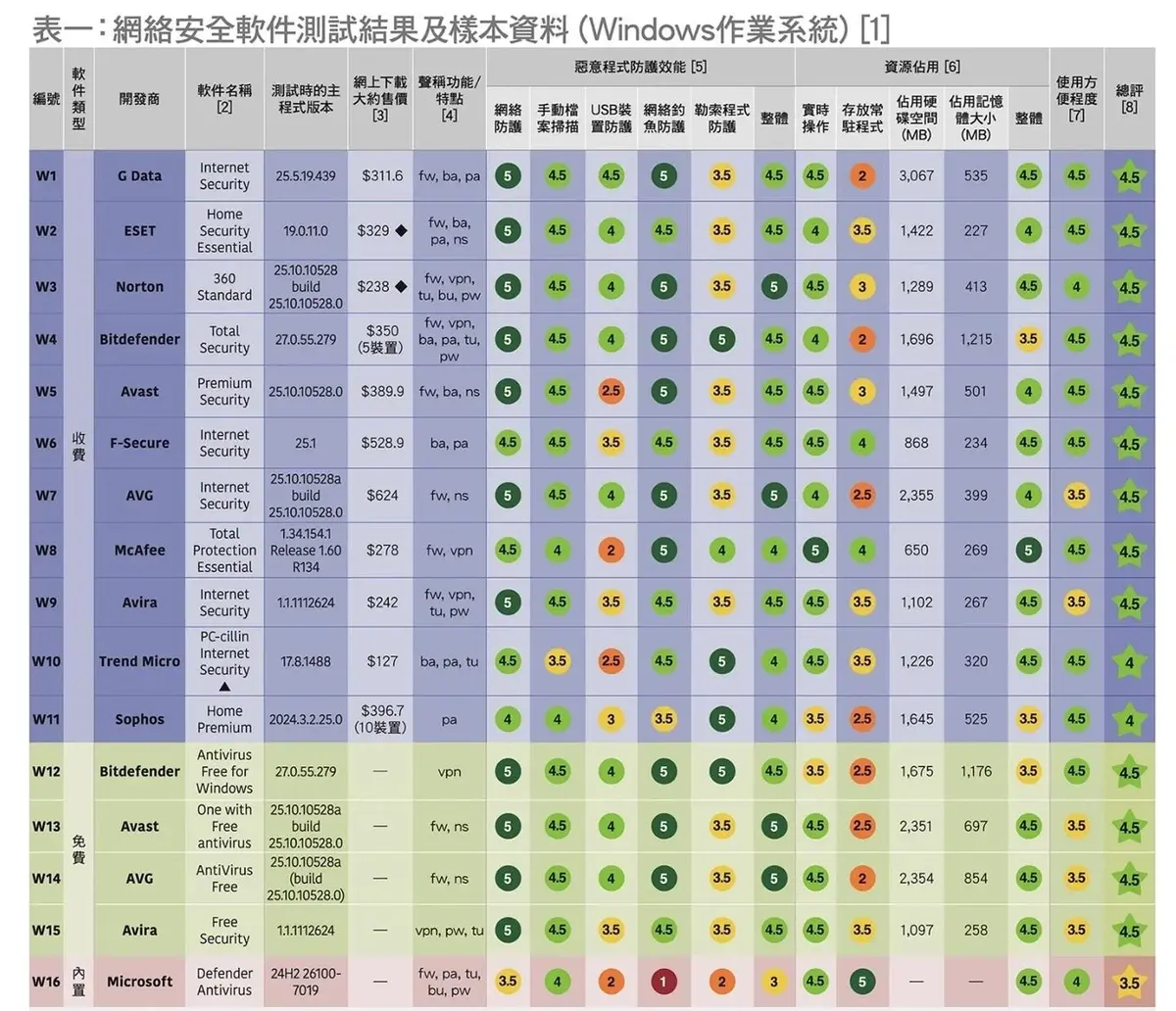
In a comprehensive study conducted by the International Consumer Research and Testing organization alongside the Hong Kong Consumer Council, Microsoft Defender has been identified as the lowest-performing security solution among 16 major antivirus programs tested on Windows 11. This assessment, which evaluated the efficacy of various cybersecurity tools in real-world scenarios, placed the built-in Windows security software at the bottom of the list. By scoring only 3.5 out of 5 points, the application failed to meet the rigorous performance standards expected by modern security analysts, raising significant concerns regarding its ability to protect users from evolving digital threats.
- Microsoft Defender finished last among 16 antivirus programs in recent independent laboratory evaluations.
- The software received notably low scores for its defense against phishing attacks and ransomware threats.
- Thirteen competing security solutions achieved high performance ratings exceeding 4.5 points during the testing process.
- Testing results indicated that modern antivirus software effectiveness diminishes significantly when systems operate without internet connectivity.
The software recorded a failure rate in critical threat detection that experts describe as unacceptable for standard consumer protection.
Security Features Fall Short of Expectations
The investigation into Microsoft Defender revealed specific vulnerabilities that could leave systems exposed to malicious actors. In categories measuring defense against phishing and ransomware, the software scored a dismal 1 and 2 points, respectively. These metrics suggest that the tool struggles to identify sophisticated social engineering tactics and encryption-based malware, which are currently among the most prevalent threats facing Windows users worldwide. Furthermore, researchers noted that the software occasionally failed to activate its protective functions entirely, leaving the host system essentially defenseless during active attacks.
Another point of contention highlighted in the report is the frequency of false positives. The program frequently misidentified legitimate system files as malicious threats, causing unnecessary disruptions for the user and undermining confidence in its heuristic scanning capabilities. These technical shortcomings present a stark contrast to the performance levels demonstrated by industry-standard third-party alternatives.
Competing Solutions Demonstrate Superior Protection
While Microsoft Defender struggled, the majority of the other 16 tested solutions exhibited robust security postures. Specifically, 13 of the evaluated products achieved a score of 4.5, effectively securing the top tier of the assessment. These top-performing solutions, which included reputable names such as G Data Internet Security, ESET Home Security Essential, Norton 360 Standard, and Bitdefender Total Security, maintained malware detection rates consistently exceeding 97 percent.
The stark difference in performance metrics suggests a clear disparity between integrated security solutions and specialized third-party software.
Cloud Dependency Affects Offline Security Performance
The laboratory tests also provided insight into how modern cybersecurity architectures rely heavily on cloud-based intelligence. The research demonstrated that when these security programs were disconnected from the internet for a period of four weeks, their ability to identify new, emerging threats declined drastically. This dependency highlights a potential weakness in contemporary security design, as constant connectivity is required to maintain the most current threat definition databases. Ultimately, the findings serve as a critical reminder that while convenience is a factor in choosing security software, the depth of protection remains the primary concern for any digital user.
Given these concerning results from independent testing, do you believe that the integrated security features provided by Windows are sufficient for your needs, or have you already switched to a third-party solution to ensure better protection? Share your thoughts and experiences in the comments section below.
Your comment has been submitted,
it will be published after approval.